
Effective Social Media Scheduling: Tips for Consistent Engagement

Social media has become an indispensable tool for businesses and individuals looking to engage with their audience. However, managing multiple platforms and maintaining a consistent posting schedule can be daunting. Effective social media scheduling is crucial for building an engaged community and maximizing the impact of your content. Here are some tips to help you streamline your social media scheduling and enhance engagement.

Understand Your Audience

Before you start scheduling posts, it’s essential to understand who your audience is and what they want. Conduct market research to identify your target demographic, their interests, and the platforms they frequent. Utilize analytics tools available on social media platforms to track user engagement patterns and preferences. Knowing your audience allows you to tailor your content and optimize your posting times, ensuring your messages resonate well and drive interaction.

Create a Content Calendar

A content calendar is a vital tool for effective social media scheduling. It helps you plan and organize your posts in advance, ensuring a balanced mix of content types—such as promotional posts, educational content, and user-generated material. By outlining what to post and when, you can avoid last-minute scrambles for content and ensure a consistent brand voice. For a deeper dive into building one that works, see our guide on Building a Content Calendar: Best Practices for Marketers. Make sure to incorporate seasonal themes, holidays, and relevant events to keep your content timely and engaging.

Utilize Scheduling Tools

There are numerous social media scheduling tools available that can simplify the process. Tools like Buffer, Hootsuite, and Sprout Social allow you to schedule posts across multiple platforms from a single dashboard. These tools often provide additional features such as analytics, audience engagement tracking, and performance reporting. By automating your posting schedule, you can focus more on content creation and audience interaction rather than the logistical aspects of posting. For a broader look at how AI is transforming this space, social media posting schedule best practices” target=”_blank” rel=”noopener noreferrer”>this overview of AI-powered social media tools is worth exploring.

Optimize Posting Times

Finding the optimal times to post on social media can greatly enhance engagement. Different platforms have varying peak activity times, and these can also differ based on your audience’s location and habits. Conduct experiments by posting at different times and analyzing the engagement metrics to determine when your audience is most active. Many scheduling tools also offer insights into the best times to post, making it easier to maximize reach and interaction. Our dedicated post on Social Media Engagement: Finding Your Ideal Posting Window walks you through this process in detail.

Engage with Your Audience

While scheduling posts is important, it’s equally crucial to engage with your audience in real time. Make it a point to respond to comments, messages, and mentions promptly. Engagement fosters community and encourages more interaction with your content. Consider setting aside specific times each day or week to actively monitor your social media accounts, allowing you to maintain a personal connection with your followers.

Analyze and Adjust Your Strategy

Regularly analyzing the performance of your social media posts is key to refining your scheduling strategy. Utilize the analytics features of the social media platforms or your scheduling tools to assess what types of content are performing well and which aren’t. Look at metrics such as likes, shares, comments, and click-through rates to gauge effectiveness. Based on this data, be prepared to adjust your content calendar and scheduling times to better align with your audience’s preferences.

Stay Flexible and Adaptable

Social media is a dynamic environment that is constantly evolving. Trends, algorithms, and audience preferences can change quickly. Staying flexible and adaptable in your scheduling strategy is crucial. Be open to experimenting with new types of content, different posting frequencies, and even exploring new platforms. Regularly revisit your content calendar and adjust it as needed to stay relevant and maintain audience engagement.

Effective social media scheduling is about more than just posting content; it’s about creating a consistent and engaging experience for your audience. By understanding your audience, utilizing scheduling tools, optimizing posting times, and remaining flexible, you can enhance your social media strategy and foster a loyal community around your brand.
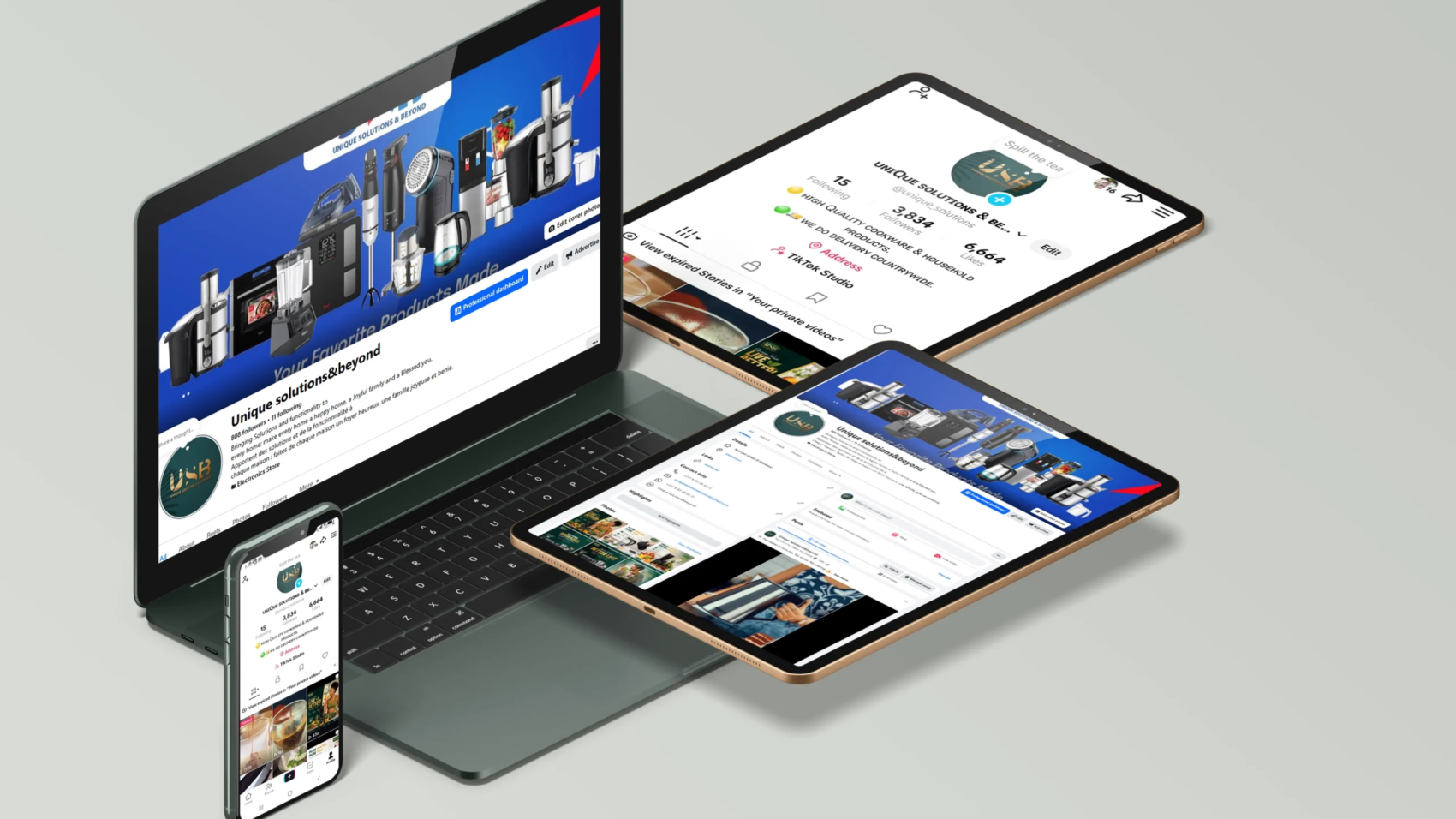
Discover the top social media marketing trends shaping the coming year — from short-form video and AR to AI personalization and social commerce. Stay ahead with G-Designs. Facebook ads for small businesses Cameroon

Social Media Marketing Trends to Watch in the Coming Year

Introduction to Social Media Marketing Trends

As social media continues to evolve, so too does the landscape of social media marketing. Brands and marketers must stay ahead of the curve to effectively engage their audience and drive conversions. With the rapid advancement of technology and shifts in consumer behavior, several trends are emerging that are set to dominate the social media marketing space in the coming year. This article explores these trends and offers insights on how businesses can adapt to remain competitive.

Increased Focus on Video Content

Video content has been a frontrunner in social media engagement, and this trend shows no signs of slowing down. Platforms like TikTok, Instagram Reels, and YouTube Shorts have popularized short-form video content, making it essential for brands to incorporate videos into their marketing strategies. In the coming year, marketers will likely increase their investment in video production, leveraging storytelling and authenticity to connect with audiences. As explored in our guide on The Power of Video in Social Media Advertising, video is one of the most powerful tools available for driving reach and engagement. Live streaming is also expected to gain traction, allowing brands to engage in real-time conversations with their followers.

Rise of Augmented Reality (AR) and Virtual Reality (VR)

As technology advances, augmented reality (AR) and virtual reality (VR) are becoming more accessible to consumers and brands alike. Social media platforms are integrating AR features, allowing users to interact with brands in immersive ways. For instance, brands can create AR filters for users to try on products virtually, enhancing the shopping experience. In the coming year, expect to see more brands adopting AR and VR strategies to provide unique, engaging experiences that drive customer loyalty and sales. According to Hootsuite’s Social Media Trends Report, consumer adoption of these technologies is accelerating rapidly across global markets.

Emphasis on Authenticity and Transparency

Consumers today value authenticity and transparency from brands more than ever. As a result, businesses must prioritize genuine communication and build trust with their audience. This trend is driving the rise of user-generated content (UGC) and influencer partnerships that emphasize real experiences. Marketers will need to focus on showcasing behind-the-scenes content, sharing customer testimonials, and being open about their practices. Establishing a transparent brand identity will help foster community and encourage customer loyalty.

Personalization through AI and Data Analytics

With advancements in artificial intelligence (AI) and data analytics, personalization is becoming more sophisticated. Brands can now leverage data to create targeted marketing campaigns that resonate with individual preferences and behaviors. In the coming year, expect to see an increase in personalized content, tailored product recommendations, and customized advertising. Marketers who effectively utilize these technologies will be better positioned to enhance customer experiences and drive engagement.

Social Commerce Growth

Social commerce, the integration of e-commerce within social media platforms, is set to experience significant growth. With features like shoppable posts and in-app purchases, consumers can buy products directly from their favorite social channels. This trend simplifies the shopping experience and reduces friction for consumers. For a deeper look at where this is all heading, see our dedicated post on Social Commerce: The Future of Online Retail. In the upcoming year, brands should focus on optimizing their social commerce strategies by utilizing user-generated content, influencer partnerships, and interactive elements to drive sales and enhance customer engagement.

Shorter Attention Spans and Snackable Content

As attention spans continue to shorten, the demand for “snackable” content—quick, easily digestible pieces of information—will increase. Marketers need to adapt their content strategies to capture audience attention swiftly, utilizing eye-catching visuals, concise messaging, and engaging formats. Platforms like TikTok and Instagram Stories exemplify this trend, encouraging brands to produce content that is both entertaining and informative. Emphasizing creativity and brevity will be key for marketers looking to engage their audiences effectively.

Conclusion: Adapting to the Future of Social Media Marketing

As we look forward to the coming year, it is clear that social media marketing will continue to evolve in response to technological advancements and changing consumer preferences. Brands that stay informed about these trends and adapt their strategies accordingly will be well-positioned to succeed in a competitive landscape. By focusing on video content, embracing AR and VR, prioritizing authenticity, leveraging AI for personalization, exploring social commerce, and creating snackable content, marketers can effectively engage their audience and drive meaningful results.

Creating Compelling Visual Content for Social Media

Creating Compelling Visual Content for Social Media

In today’s digital landscape, visual content plays a crucial role in capturing attention and engaging audiences on social media. With the overwhelming amount of information available online, creating compelling visuals can significantly enhance your brand’s visibility and engagement. This article explores effective strategies for creating captivating visual content tailored for social media platforms.

Understanding Your Audience

To create impactful visual content, it is essential to understand your target audience. Start by identifying their preferences, interests, and behaviors. Use insights from analytics tools to gauge which types of visuals resonate most with your audience. Consider demographics, such as age, gender, and location, as these factors can influence the style and tone of your visuals. By tailoring your content to meet the specific needs and desires of your audience, you can increase the likelihood of engagement and sharing.

Emphasizing Brand Identity

Consistency in branding is vital for recognition and trust. Your visual content should reflect your brand’s identity, including colors, fonts, and overall aesthetic. Create a style guide that outlines these elements to ensure uniformity across all platforms. This consistency helps create a cohesive brand image, making it easier for users to recognize your content amidst the noise of social media. Incorporate your logo strategically within your visuals to reinforce brand awareness without overwhelming the audience.

Utilizing High-Quality Images and Videos

The quality of your visuals directly impacts how your brand is perceived. Invest in high-quality images and videos that are visually appealing and professional. Poor-quality visuals can detract from your message and lead to decreased engagement. Use tools like Adobe Photoshop, Canva, or even smartphone apps to enhance your images and create eye-catching graphics. Additionally, consider incorporating user-generated content, as authentic visuals can build trust and encourage engagement. For a deeper look at how video fits into this mix, see our guide on utilizing video content to drive brand awareness online.

Creating Eye-Catching Graphics

Infographics, quotes, and promotional graphics can be highly effective in conveying information quickly and memorably. Utilize bold typography, contrasting colors, and engaging layouts to draw attention to your graphics. Infographics, in particular, can simplify complex information and make it more digestible for your audience. Ensure your graphics align with your overall message and add value to your audience’s experience. For further inspiration on design best practices, Adobe’s beginner’s guide to social media graphics offer practical, up-to-date guidance.

Incorporating Motion and Animation

Static images can be powerful, but incorporating motion and animation can take your visual content to the next level. Short videos, GIFs, and animated graphics can capture attention more effectively than still images. Platforms like Instagram and TikTok thrive on dynamic content, making it essential to experiment with motion to keep your audience engaged. Use tools like Adobe After Effects or online platforms like Animaker to create animations that enhance your storytelling.

Optimizing for Each Platform

Different social media platforms have varying requirements and audience behaviors. Tailor your visual content for each platform to maximize engagement. For instance, Instagram favors square or vertical images, while Twitter often works better with landscape images. Consider the unique features of each platform, such as Stories, Reels, or live videos, and leverage them to showcase your visuals creatively. Understanding the nuances of each platform can enhance your reach and effectiveness.

Encouraging User Interaction

Visual content should not only be aesthetically pleasing but also encourage interaction. Use calls-to-action (CTAs) within your visuals to prompt users to engage, whether it’s liking, sharing, or commenting. Polls, quizzes, and contests can also be effective ways to drive interaction. To make your CTAs as effective as possible, explore our detailed post on crafting compelling calls to action for better audience interaction. By fostering a sense of community and encouraging participation, you can enhance your brand’s visibility and strengthen your relationship with your audience.

Measuring Success and Iterating

Finally, it’s essential to track the performance of your visual content. Use analytics tools to measure engagement rates, impressions, and shares. Analyze which types of visuals perform best and identify trends over time. This data will help you refine your content strategy, allowing you to focus on what resonates with your audience. Be open to experimenting with new ideas and iterating based on feedback and performance metrics.

Creating compelling visual content for social media requires a strategic approach that considers your audience, brand identity, and platform nuances. By focusing on high-quality visuals, incorporating motion, and encouraging interaction, you can enhance engagement and build a strong online presence. Remember, the digital landscape is ever-evolving, so stay adaptable and continuously seek ways to improve your visual storytelling.

Creating a Social Media Strategy for Sustainable Business Growth

Understanding the Importance of a Social Media Strategy

In today’s digital age, a robust social media presence is crucial for businesses looking to achieve sustainable growth. With billions of users actively engaging on platforms like Facebook, Instagram, Twitter, and LinkedIn, social media has become an essential tool for reaching potential customers, building brand awareness, and fostering community engagement. A well-crafted social media strategy not only enhances visibility but also creates meaningful connections with your target audience. It allows businesses to position themselves as industry leaders while promoting their values and sustainability efforts.

Defining Your Goals and Objectives

The first step in creating a successful social media strategy is to define clear goals and objectives. Are you looking to increase brand awareness, drive website traffic, generate leads, or boost sales? Setting specific, measurable, attainable, relevant, and time-bound (SMART) goals will guide your social media efforts and help you assess the effectiveness of your strategy over time. For sustainable business growth, consider integrating goals that align with your company’s mission and values, such as promoting eco-friendly practices or supporting local communities.

Identifying Your Target Audience

Understanding your target audience is vital for tailoring your social media content and messaging. Conduct thorough research to identify demographics, interests, and behaviors of your ideal customers. Utilize tools such as social media analytics, surveys, and market research to gather insights. Creating buyer personas can be an effective way to visualize your audience segments and craft content that resonates with each group. A clear understanding of your audience will enable you to engage them more effectively and build lasting relationships. Showcasing real customer experiences is equally powerful — learn more about how the power of social proof in customer acquisition can strengthen your messaging and attract new clients.

Choosing the Right Platforms

Not all social media platforms will be suitable for your business. Each platform has its unique features, audience demographics, and content styles. For instance, Instagram is ideal for visually-driven brands, while LinkedIn caters to B2B businesses. Assess where your target audience is most active and focus your efforts on those platforms. By concentrating your resources on the right channels, you can maximize your reach and engagement, ultimately leading to sustainable growth.

Creating Engaging and Relevant Content

Content is the heart of any social media strategy. To maintain audience interest and engagement, develop a content calendar that outlines what you will post, when, and on which platforms. If you need a structured approach to planning your posts, our guide on building a content calendar: best practices for marketers walks you through the entire process step by step. Focus on creating high-quality, relevant, and engaging content that reflects your brand’s values and mission. Incorporate a mix of formats such as images, videos, infographics, and articles to keep your audience engaged. Highlighting your sustainability initiatives through storytelling can also help resonate with environmentally-conscious consumers and differentiate your brand.

Building a Community and Engaging with Your Audience

Social media is not just about broadcasting your messages; it’s also about building a community. Engage with your audience by responding to comments, messages, and mentions in a timely manner. Encourage discussions and ask for feedback to make your followers feel valued and heard. Hosting live Q&A sessions, webinars, or Twitter chats can also foster a sense of community. Building relationships with your audience not only enhances brand loyalty but can also lead to word-of-mouth referrals, contributing to sustainable growth.

Measuring and Analyzing Performance

To determine the effectiveness of your social media strategy, it’s essential to measure and analyze your performance regularly. Utilize analytics tools provided by social media platforms to track key performance indicators (KPIs) such as engagement rates, reach, impressions, and conversions. Assessing this data will help you understand what works and what doesn’t, allowing you to refine your strategy over time. Adjusting your content and approach based on analytical insights will ensure that you remain aligned with your goals and can adapt to changing audience preferences. For a deeper understanding of how to interpret social metrics, resources like Sprout Social’s guide to social media analytics offer practical frameworks you can apply immediately.

Staying Updated with Trends and Best Practices

The social media landscape is constantly evolving, with new trends, tools, and best practices emerging regularly. To maintain a competitive edge, stay informed about the latest developments in social media marketing. Follow industry leaders, participate in webinars, and join relevant forums to learn from peers. Being adaptable and open to experimentation will enable you to innovate your strategy and incorporate new tactics that can enhance your brand’s visibility and engagement.

Conclusion: A Roadmap to Sustainable Growth

Creating a social media strategy for sustainable business growth requires careful planning, execution, and ongoing evaluation. By understanding your audience, setting clear goals, and engaging authentically, you can build a strong online presence that drives meaningful connections and fosters loyalty. As you navigate the complexities of social media, remember that consistency and adaptability are key. By aligning your strategy with your brand’s values and mission, you can create a positive impact that extends beyond profits, contributing to a more sustainable future for your business and the community.

Harnessing the Power of Hashtags to Grow Your Organic Reach

The Importance of Hashtags in Social Media Strategy

In the ever-evolving landscape of social media, hashtags have emerged as a powerful tool for enhancing visibility and engagement. By categorizing content, hashtags enable users to discover posts that align with their interests. This simple yet effective feature can significantly amplify your organic reach. Understanding how to leverage hashtags can transform your social media strategy and help you connect with a broader audience.

Understanding How Hashtags Work

Hashtags function as keywords that link to specific topics, making it easier for users to find relevant content. When a user clicks on or searches for a hashtag, they are presented with a feed of posts that include it. This mechanism helps brands and individuals gain exposure beyond their immediate followers. By using trending or relevant hashtags, you can tap into ongoing conversations and increase your chances of being seen by potential new followers.

Choosing the Right Hashtags

Not all hashtags are created equal. Selecting the right hashtags is crucial for maximizing your organic reach. Start by researching hashtags that are relevant to your niche. Tools like Search Engine Land: Hashtags explainedHashtagify, RiteTag, and social media platforms’ own search functions can help you identify popular and trending hashtags. Focus on a mix of broad and niche hashtags. Broad hashtags can expose your content to a larger audience, while niche hashtags often attract users who are genuinely interested in specific topics, leading to higher engagement rates.

Creating a Branded Hashtag

In addition to using popular hashtags, consider creating a unique branded hashtag. This not only promotes your brand but also encourages your audience to engage with your content. A branded hashtag can be linked to campaigns, promotions, or community initiatives. By encouraging your followers to use your branded hashtag, you can foster a sense of community and build loyalty. Remember to keep it simple and memorable so that it’s easy for your audience to use.

Integrating Hashtags Across Platforms

Different social media platforms have unique cultures and best practices regarding hashtags. For example, Instagram allows for a higher number of hashtags in a single post compared to Twitter, where brevity is key. Understanding how to tailor your hashtag strategy for each platform is essential. On Instagram, using up to 30 hashtags may be beneficial, while on Twitter, sticking to one or two can help maintain clarity. Always adapt your approach based on the platform’s dynamics to ensure maximum reach and engagement. It also helps to align your hashtag use with a broader posting plan — if you haven’t already, read our guide on building a content calendar to keep your strategy consistent and organised.

Monitoring Hashtag Performance

To truly harness the power of hashtags, it’s vital to monitor their performance. Utilize analytics tools available on social media platforms or third-party applications to track engagement metrics related to your hashtags. Pay attention to which hashtags are driving traffic, engagement, or conversions. This data will inform your future hashtag strategy, allowing you to refine your approach and focus on what works best for your audience.

Engaging with Your Audience

Hashtags are not just a way to increase visibility; they also provide an opportunity for engagement. When users interact with your posts through likes, comments, or shares, it’s essential to respond and build a relationship. Engaging with users who utilize your hashtags or comment on your posts helps foster a sense of community and encourages more interactions in the future. This two-way communication can significantly enhance your organic reach and strengthen your brand presence. To get even more out of your efforts, understanding when your audience is most active can make a real difference in how far your hashtagged posts travel.

Staying Updated with Trends

The social media landscape is constantly changing, and so are the trends associated with hashtags. Staying updated on trending hashtags can give you an edge in your content strategy. Participate in relevant conversations and use trending hashtags when appropriate. However, avoid using hashtags that are not relevant to your content, as this can come off as disingenuous and may alienate your audience. Authenticity is key to building trust and a loyal following.

Conclusion

Harnessing the power of hashtags is an essential aspect of growing your organic reach on social media. By understanding how hashtags work, choosing the right ones, and actively engaging with your audience, you can create a more effective social media strategy. Remember to monitor your performance and stay updated on trends to continuously refine your approach. With these tips, you can elevate your social media game and connect with a wider audience organically.

How to Use Facebook Ads for Targeted Customer Acquisition

Understanding Facebook Ads

Facebook Ads is a powerful advertising platform that allows businesses to reach a vast audience through targeted campaigns. With over 2.8 billion monthly active users, Facebook provides an unparalleled opportunity for brands to connect with potential customers. The platform’s sophisticated targeting options enable advertisers to reach specific demographics, interests, and behaviors, making it an essential tool for customer acquisition.

Setting Clear Objectives

Before diving into Facebook Ads, it’s crucial to establish clear objectives for your campaign. Are you looking to generate brand awareness, drive traffic to your website, or increase sales? Defining your goals will help you tailor your ads and select the appropriate ad formats and placements. For example, if your objective is to drive traffic, you might focus on link ads, while a brand awareness campaign might prioritize video content.

Identifying Your Target Audience

One of the most significant advantages of Facebook Ads is its targeting capabilities. To effectively acquire customers, you need to identify and understand your target audience. Utilize Facebook’s Audience Insights tool to gather data on demographics, interests, and behaviors of potential customers. Consider factors such as age, gender, location, and interests to create detailed audience segments. This information will help you craft tailored messages that resonate with your audience. If you run a local business, be sure to also check out our guide on targeting local customers on Facebook: tips for Buea businesses to make the most of location-based targeting in your area.

Choosing the Right Ad Format

Facebook offers various ad formats, each suitable for different campaign objectives. Some popular formats include image ads, video ads, carousel ads, and slideshow ads. Image ads are straightforward and effective for showcasing products, while video ads can engage users with compelling storytelling. Carousel ads allow you to display multiple products or features in a single ad, encouraging users to swipe through. Choose the format that best aligns with your campaign goals and audience preferences. For a deeper look at how video performs in paid social placements, Meta’s official advertising resources offer up-to-date benchmarks and creative best practices.

Creating Compelling Ad Content

The success of your Facebook Ads hinges on the quality of your ad content. Your visuals should be eye-catching and relevant to your target audience. Use high-resolution images or videos that capture attention and convey your brand message. Additionally, craft clear and concise ad copy that highlights the benefits of your product or service. Incorporate strong calls to action (CTAs) to encourage users to take the desired action, such as visiting your website or making a purchase.

Utilizing Retargeting Strategies

Retargeting is a powerful strategy that allows you to reconnect with users who have previously interacted with your brand. By utilizing Facebook’s Custom Audiences feature, you can target users who have visited your website, engaged with your ads, or interacted with your Facebook page. This approach increases the likelihood of conversion, as these users are already familiar with your brand. Pairing retargeting with strong social proof elements — such as testimonials and reviews — can further boost your chances of turning warm audiences into paying customers. Create tailored ads that address their previous interactions or offer incentives to encourage them to complete their purchase.

Monitoring and Analyzing Campaign Performance

Once your ads are live, it’s essential to monitor their performance regularly. Utilize Facebook Ads Manager to track key metrics such as click-through rates, conversions, and return on ad spend (ROAS). Analyzing this data will help you understand what is working and what needs improvement. Be prepared to make adjustments to your campaigns based on performance metrics, such as changing ad creative, targeting, or budget allocation.

Testing and Optimization

Continuous testing and optimization are vital for maximizing the effectiveness of your Facebook Ads. Conduct A/B testing to compare different ad variations, such as headlines, images, and CTAs. This process will help you identify which elements resonate best with your audience. Optimize your campaigns based on the insights gained from testing, and continuously refine your strategies to improve customer acquisition results.

Budgeting and Bidding Strategies

Setting an appropriate budget and bidding strategy is crucial for the success of your Facebook Ads campaigns. Determine how much you are willing to spend daily or over the life of the campaign and choose between automated and manual bidding options. Automated bidding allows Facebook to optimize your bids for the best results, while manual bidding gives you more control over costs. Monitor your spending and adjust your budget as needed based on campaign performance.

Conclusion

Using Facebook Ads for targeted customer acquisition can significantly enhance your marketing efforts. By understanding the platform, setting clear objectives, identifying your target audience, and creating compelling content, you can effectively reach potential customers. Remember to monitor your campaigns, utilize retargeting strategies, and continuously optimize your ads for the best results. With the right approach, Facebook Ads can be a valuable tool for growing your customer base and driving business success.