
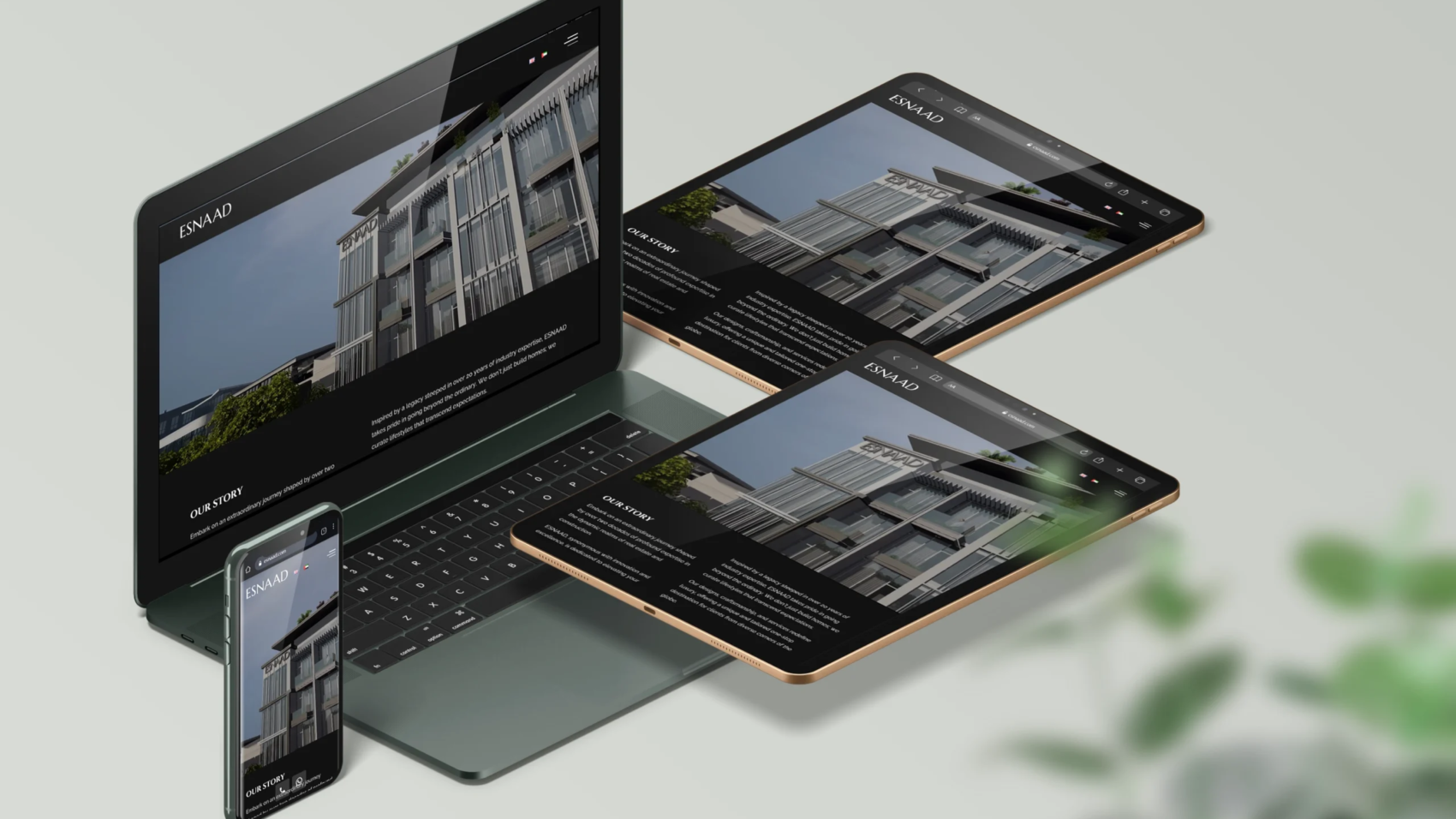
G-Designs was hired by a Dubai-based real estate development company to manage their website and lead their digital marketing efforts with one clear objective

Website Maintenance Cost in Cameroon in 2026: What to Expect

Website Maintenance Cost in Cameroon in 2026: A Clear, Honest Breakdown

If you own a business website in Cameroon, one question you will almost certainly face in 2026 is: how much does website maintenance actually cost? The short answer is that most Cameroonian businesses pay between 15,000 XAF and 150,000 XAF per month for professional website maintenance, depending on the complexity of their site and the services included. This guide breaks down exactly what drives that cost, what is typically included in each tier, and how to decide what your business genuinely needs.

If you have not yet built your business website, start by reading our guide on why every small business in Cameroon needs a website in 2026 before considering maintenance packages.

What Is Website Maintenance and Why Does It Matter?

Website maintenance covers every recurring task required to keep your site secure, fast, accurate, and visible online. It is not a one-time job. Search engines like Google actively penalise outdated, slow, or insecure websites, which means neglecting maintenance directly damages your rankings, your credibility, and ultimately your revenue.

Core maintenance activities include:

  • Security monitoring and malware removal
  • Software, plugin, and theme updates (especially critical for WordPress sites)
  • Regular backups stored off-site
  • Uptime monitoring and server performance checks
  • Broken link detection and fixes
  • Content updates — changing prices, team members, hours, or services
  • Speed optimisation and image compression
  • SEO health checks and basic technical SEO improvements

Without these tasks being carried out consistently, even a beautifully designed website can become a liability rather than an asset within months.

Website Maintenance Cost in Cameroon: Price Ranges by Tier

Prices below reflect realistic 2026 market rates from professional agencies operating in Cameroon. Freelancers may charge less, but with reduced accountability, slower response times, and no service-level guarantees.

Basic Maintenance Plan — 15,000 to 40,000 XAF per month

Suitable for small static websites, portfolio sites, or brochure websites with fewer than ten pages. This tier typically includes monthly plugin and theme updates, weekly backups, uptime monitoring, and a small allocation of content edits per month (usually one to two hours). Security scans are usually included at a basic level. This is the most common starting point for small businesses and sole traders in Buea, Douala, and Yaoundé.

Standard Maintenance Plan — 40,000 to 90,000 XAF per month

Designed for small-to-medium business websites, WordPress blogs, and service-company sites that receive regular traffic and need more frequent updates. This tier adds priority support, more comprehensive security hardening, monthly performance reports, SEO health checks, and a larger content-edit allowance (typically four to six hours). It is the most popular choice for growing Cameroonian businesses that depend on their website for lead generation.

Premium / E-Commerce Maintenance Plan — 90,000 to 150,000+ XAF per month

Built for WooCommerce stores, booking platforms, membership sites, and any website where downtime or a security breach would directly cost the business money. This tier includes daily backups, advanced security with a web application firewall (WAF), dedicated account management, real-time uptime alerts, regular conversion-rate reviews, and ongoing technical SEO services. Response times for urgent issues are measured in hours, not days.

What Factors Affect Website Upkeep Costs in Cameroon?

Several variables push your maintenance cost higher or lower than the averages above:

  • Platform: WordPress maintenance in Cameroon is the most common requirement. WordPress sites need more frequent plugin updates and security attention than simple HTML sites, but they are also far more flexible and scalable.
  • Size and complexity: A 5-page business site is fundamentally different from a 200-product e-commerce store in terms of the work required each month.
  • Traffic volume: Higher-traffic sites need more robust hosting, faster CDN configurations, and more careful performance monitoring.
  • Frequency of content changes: If your business updates prices, adds blog posts, or changes service offerings regularly, your content-edit hours will increase your monthly cost.
  • Existing site health: A site with years of deferred maintenance will require an initial deep-clean audit before standard monthly pricing applies. Expect a one-time remediation fee of 30,000 to 100,000 XAF in this scenario.
  • Support response time: Same-day or 24-hour guaranteed support costs more than standard 3 to 5 business-day response windows.

WordPress Maintenance Cameroon: Special Considerations

WordPress powers more than 43% of all websites globally, and it is by far the most widely used platform for business websites built in Cameroon. Because WordPress relies on a constantly updated ecosystem of plugins, themes, and core software, unmaintained WordPress sites are the single most common source of security breaches and site crashes that local agencies deal with.

Professional WordPress maintenance in Cameroon should always include:

  • Staged testing of plugin updates before pushing to the live site
  • Database optimisation to prevent bloating and slowdowns
  • Regular checks against known vulnerability databases
  • PHP version compatibility management
  • Spam comment management and form protection

If your website was built by G-Designs or another reputable agency using WordPress, ask specifically about these items when evaluating any maintenance proposal.

Is DIY Website Maintenance a Viable Option?

Technically, yes — but for most business owners, the hidden cost of DIY website management in Cameroon is far higher than it appears. Time spent learning how to safely update plugins, restore backups, or diagnose a hacked site is time taken away from running your actual business. A single botched update that takes your site offline for 48 hours can cost you far more in lost enquiries than six months of professional maintenance fees.

DIY maintenance makes reasonable sense only if you or a staff member has formal web development experience and can genuinely commit the time each month. For everyone else, a managed plan from a local agency is the more cost-effective choice over a 12-month horizon.

What Is Included in G-Designs’ Website Management Services in Cameroon?

At G-Designs LTD, our website management services are built specifically for Cameroonian businesses that need reliable, professional site upkeep without the overhead of an in-house team. Our plans are structured to be transparent — you always know exactly what you are paying for and what work has been completed each month.

Our maintenance clients also benefit from direct access to our web design team when they need structural changes, new landing pages, or design refreshes — at preferential rates compared to one-off project pricing.

How to Choose the Right Website Maintenance Plan for Your Business

Use this simple decision framework before committing to any website upkeep plan in Cameroon:

  1. Identify your site type — static brochure site, WordPress blog, or e-commerce store.
  2. Estimate your monthly content change volume — how many updates do you realistically need each month?
  3. Define your acceptable downtime tolerance — how many hours of outage can your business afford before it becomes a serious problem?
  4. Ask about backups and security guarantees — any plan that does not include these as standard is not a professional plan.
  5. Compare total annual cost against the cost of one major incident — a hacked or crashed site can easily cost 200,000 XAF or more to remediate from scratch.

Final Thoughts: Website Maintenance Is Not Optional in 2026

In 2026, a website is only as valuable as its ongoing upkeep. An unmaintained site is a security risk, a poor user experience, and an SEO liability — three things that actively cost your business money and reputation. Whether you invest in a basic plan or a premium managed solution, the key is consistency and working with a team that understands the specific needs of businesses operating in Cameroon’s growing digital market.

Ready to get a clear, no-obligation quote for website maintenance in Cameroon? Contact G-Designs LTD today and our team will assess your current site and recommend the right plan for your budget and goals.
Further Reading

Cameroon internet users data (FRED)

Website maintenance cost in Cameroon

Discover the top social media marketing trends shaping the coming year — from short-form video and AR to AI personalization and social commerce. Stay ahead with G-Designs.

Social Media Marketing Trends to Watch in the Coming Year

Introduction to Social Media Marketing Trends

As social media continues to evolve, so too does the landscape of social media marketing. Brands and marketers must stay ahead of the curve to effectively engage their audience and drive conversions. With the rapid advancement of technology and shifts in consumer behavior, several trends are emerging that are set to dominate the social media marketing space in the coming year. This article explores these trends and offers insights on how businesses can adapt to remain competitive.

Increased Focus on Video Content

Video content has been a frontrunner in social media engagement, and this trend shows no signs of slowing down. Platforms like TikTok, Instagram Reels, and YouTube Shorts have popularized short-form video content, making it essential for brands to incorporate videos into their marketing strategies. In the coming year, marketers will likely increase their investment in video production, leveraging storytelling and authenticity to connect with audiences. As explored in our guide on The Power of Video in Social Media Advertising, video is one of the most powerful tools available for driving reach and engagement. Live streaming is also expected to gain traction, allowing brands to engage in real-time conversations with their followers.

Rise of Augmented Reality (AR) and Virtual Reality (VR)

As technology advances, augmented reality (AR) and virtual reality (VR) are becoming more accessible to consumers and brands alike. Social media platforms are integrating AR features, allowing users to interact with brands in immersive ways. For instance, brands can create AR filters for users to try on products virtually, enhancing the shopping experience. In the coming year, expect to see more brands adopting AR and VR strategies to provide unique, engaging experiences that drive customer loyalty and sales. According to Hootsuite’s Social Media Trends Report, consumer adoption of these technologies is accelerating rapidly across global markets.

Emphasis on Authenticity and Transparency

Consumers today value authenticity and transparency from brands more than ever. As a result, businesses must prioritize genuine communication and build trust with their audience. This trend is driving the rise of user-generated content (UGC) and influencer partnerships that emphasize real experiences. Marketers will need to focus on showcasing behind-the-scenes content, sharing customer testimonials, and being open about their practices. Establishing a transparent brand identity will help foster community and encourage customer loyalty.

Personalization through AI and Data Analytics

With advancements in artificial intelligence (AI) and data analytics, personalization is becoming more sophisticated. Brands can now leverage data to create targeted marketing campaigns that resonate with individual preferences and behaviors. In the coming year, expect to see an increase in personalized content, tailored product recommendations, and customized advertising. Marketers who effectively utilize these technologies will be better positioned to enhance customer experiences and drive engagement.

Social Commerce Growth

Social commerce, the integration of e-commerce within social media platforms, is set to experience significant growth. With features like shoppable posts and in-app purchases, consumers can buy products directly from their favorite social channels. This trend simplifies the shopping experience and reduces friction for consumers. For a deeper look at where this is all heading, see our dedicated post on Social Commerce: The Future of Online Retail. In the upcoming year, brands should focus on optimizing their social commerce strategies by utilizing user-generated content, influencer partnerships, and interactive elements to drive sales and enhance customer engagement.

Shorter Attention Spans and Snackable Content

As attention spans continue to shorten, the demand for “snackable” content—quick, easily digestible pieces of information—will increase. Marketers need to adapt their content strategies to capture audience attention swiftly, utilizing eye-catching visuals, concise messaging, and engaging formats. Platforms like TikTok and Instagram Stories exemplify this trend, encouraging brands to produce content that is both entertaining and informative. Emphasizing creativity and brevity will be key for marketers looking to engage their audiences effectively.

Conclusion: Adapting to the Future of Social Media Marketing

As we look forward to the coming year, it is clear that social media marketing will continue to evolve in response to technological advancements and changing consumer preferences. Brands that stay informed about these trends and adapt their strategies accordingly will be well-positioned to succeed in a competitive landscape. By focusing on video content, embracing AR and VR, prioritizing authenticity, leveraging AI for personalization, exploring social commerce, and creating snackable content, marketers can effectively engage their audience and drive meaningful results.

Boost your visibility with SEO, AEO & GEO services. Rank on Google, voice search, and AI platforms. Get more traffic, leads, and sales. Free audit available.

The Future of Digital Presence: Trends to Watch

The Rise of Virtual and Augmented Reality

As technology continues to evolve, virtual reality (VR) and augmented reality (AR) are becoming integral components of digital presence. Businesses are increasingly adopting these technologies to create immersive experiences for their customers. For instance, retailers are utilizing AR to allow customers to visualize how products will look in their own spaces before making a purchase.

This trend not only enhances the shopping experience but also reduces the likelihood of returns, ultimately benefiting both consumers and brands. As AR and VR technologies become more accessible and affordable, their integration into marketing strategies is expected to grow, leading to more engaging and interactive digital presence.

Personalization through AI and Machine Learning

Artificial intelligence (AI) and machine learning are revolutionizing the way companies approach digital presence. By analyzing user behavior and preferences, businesses can tailor their digital content to meet the specific needs of individual consumers. This level of personalization creates a more meaningful connection between brands and their audiences, fostering loyalty and trust.

For example, personalized recommendations on e-commerce platforms can significantly enhance the shopping experience, encouraging repeat visits and purchases. To stay on top of the tools driving this shift, it’s worth exploring AI tools every social media marketer should be using to streamline content and personalization at scale.

As AI technology continues to advance, the ability to create hyper-personalized content will become a standard expectation among consumers, making it crucial for businesses to adapt.

The Importance of a Mobile-First Strategy

With the increasing reliance on smartphones and mobile devices, a mobile-first approach to digital presence is essential. Companies must ensure that their websites and digital content are optimized for mobile users to provide an efficient and enjoyable experience. This includes responsive design, fast loading times, and mobile-friendly navigation.

As more consumers turn to their smartphones for shopping, social media, and information, businesses that prioritize mobile optimization are likely to see higher engagement rates and conversions. In the coming years, the trend toward mobile-first will only intensify, making it imperative for organizations to stay ahead of the curve.

Emphasis on Sustainability and Ethical Practices

As consumers become more environmentally conscious, businesses are increasingly expected to showcase their commitment to sustainability and ethical practices. This shift is influencing digital presence, as brands strive to communicate their values transparently.

Companies are leveraging digital platforms to share their sustainability initiatives, ethical sourcing, and community involvement, creating a narrative that resonates with socially-conscious consumers.

This trend not only enhances brand reputation but also fosters a loyal customer base that prioritizes ethical consumption. According to OECD digital transformation topic page, consumer trust is increasingly tied to a brand’s demonstrated values and ethical commitments. In the future, businesses that can effectively convey their commitment to sustainability will likely gain a competitive edge.

The Growth of Voice Search and Smart Assistants

Voice search technology continues to gain traction, driven by the widespread use of smart assistants like Siri, Alexa, and Google Assistant. As more consumers turn to voice search for convenience, businesses must adapt their digital presence to accommodate this trend.

This involves optimizing content for voice queries, which often differ from traditional text-based searches. Companies should focus on natural language processing and long-tail keywords to improve their visibility in voice search results. As voice technology evolves, integrating voice search into digital strategies will become increasingly important for maintaining a strong online presence.

Enhancing User Experience through Interactive Content

Interactive content is emerging as a powerful tool for engaging audiences and enhancing digital presence. This includes quizzes, polls, interactive infographics, and gamified experiences that encourage user participation.

By creating engaging and interactive content, businesses can capture user attention and foster a deeper connection with their audience. This trend is particularly relevant in a digital landscape saturated with passive content, where users are seeking more engaging experiences.

As the demand for interactive content grows, companies that prioritize user experience will be better positioned to stand out and drive engagement.

Conclusion: Embracing Change for Future Success

The future of digital presence is shaped by rapid technological advancements and shifting consumer expectations. By staying ahead of these trends, such as the rise of AR and VR, the importance of personalization through AI, the necessity of mobile optimization, and the emphasis on sustainability, businesses can create a dynamic and engaging digital footprint.

Ultimately, a strong digital presence is inseparable from customer loyalty; understanding the connection between digital presence and customer loyalty is key to building relationships that last well beyond the first interaction.

As organizations embrace these changes, they will not only enhance their digital presence but also build lasting relationships with their audiences, paving the way for future success in an ever-evolving landscape.