How to Set Up a Google Business Profile for a Business in Cameroon

Google Business Profile Cameroon: The Complete Setup Guide for Local Businesses

If a potential customer in Buea, Douala, or Yaoundé searches for a service you offer, does your business appear on Google Maps? If not, you are leaving money on the table. Setting up a Google Business Profile in Cameroon is one of the most powerful — and completely free — steps you can take to get your business found online. This guide walks you through every step of the process, explains what to do when you hit common roadblocks in Cameroon, and shows you how to maximise your listing once it is live.

What Is a Google Business Profile and Why Does It Matter in Cameroon?

A Google Business Profile (formerly Google My Business) is a free tool that allows businesses to manage how they appear on Google Search and Google Maps. When someone searches for best restaurant in Buea or web designer in Douala, the business listings that appear in the map section at the top of the results are Google Business Profiles.

For businesses in Cameroon, this matters enormously. Mobile internet usage is rising fast, and more Cameroonians are using Google every day to find local services before making a purchasing decision. A complete, verified Google Business Profile means your business name, location, phone number, opening hours, photos, and customer reviews all appear instantly — even if a searcher has never heard of you before.

Having a profile also strengthens your broader digital presence. As we explain in our guide on why every small business in Cameroon needs a website in 2026, customers today research businesses online before they visit or call. Your Google Business Profile is often the very first impression you make.

Requirements Before You Begin

Before creating your profile, make sure you have the following ready:

  • A Google account (Gmail address)
  • Your exact business name as it appears on signage or official documents
  • A physical address or defined service area in Cameroon
  • A working phone number (local Cameroon number preferred)
  • Your business category (e.g., Restaurant, Clothing Store, Digital Marketing Agency)
  • Your business hours
  • A short business description
  • At least a few high-quality photos of your premises, products, or team

You do not need a website to create a profile, though having one significantly improves your local SEO results. If you do not yet have a website, check out our SEO services to understand how a well-optimised web presence works alongside your Google listing.

Step-by-Step: How to Set Up a Google Business Profile in Cameroon

Step 1 — Go to Google Business Profile and Sign In

Visit business.google.com and sign in with your Google account. If you do not have one, create a free Gmail account first. Click Manage now to begin.

Step 2 — Enter Your Business Name

Type your exact business name into the search field. Google will check whether a listing already exists. If your business appears in the dropdown, someone may have already created a profile — you can claim it. If not, click Add your business to Google to start fresh.

Step 3 — Choose Your Business Category

Select the category that best describes what your business does. This is one of the most important steps for local SEO in Cameroon because Google uses your category to decide when to show your listing. Choose the most specific and accurate option available, then add secondary categories if relevant.

Step 4 — Add Your Location or Service Area

If customers visit your physical premises — a shop, salon, office, or restaurant — choose Yes when asked if you want to add a location customers can visit, then enter your street address. For businesses in Cameroon that serve customers at their location (plumbers, caterers, delivery services), choose to add a service area instead, specifying the towns or regions you cover.

Important note for Cameroon: Google Maps coverage in some areas of Cameroon is less detailed than in Europe or North America. If your street is not yet mapped, enter the closest recognisable landmark or neighbourhood, then use the map pin to drag and drop your exact location manually.

Step 5 — Add Contact Details

Enter your business phone number. Adding your website URL here is strongly recommended, as it helps Google verify your business and drives direct traffic. If you do not yet have a website, this is a good moment to consider one.

Step 6 — Verify Your Business

Verification proves to Google that your business is real and that you are its legitimate owner. In Cameroon, the most common verification options are:

  • Postcard by mail: Google sends a postcard with a PIN to your business address. This can take 5–14 days and is less reliable in some areas of Cameroon due to postal service limitations.
  • Phone call or SMS: Available for some businesses — Google calls or texts your listed number with a verification code.
  • Email: Available for certain account types — Google sends a code to your business email.
  • Video verification: Google may request a short video showing your business location, signage, and equipment. This option has become more common recently and is often the fastest route for Cameroonian businesses.

If the postcard option is your only choice and it fails to arrive, log back into your profile and request a new code, or check whether video verification has become available for your account.

Step 7 — Complete Your Profile

Once verified, fill in every section of your profile. A complete profile performs significantly better in local search rankings. Add:

  • Accurate business hours (including special hours for public holidays)
  • A compelling business description using natural language that includes keywords like the services you offer and the cities you serve
  • High-quality photos of your storefront, interior, team, and products or services
  • Products or services listings with prices where possible
  • Your website link
  • Questions and answers in the Q&A section

How to Optimise Your Google Business Profile for Local SEO in Cameroon

Creating the profile is just the beginning. To consistently appear at the top of Google Maps results in Cameroon, you need to actively manage and optimise your listing.

Collect and Respond to Reviews

Customer reviews are one of the strongest ranking signals for local search. Ask satisfied customers to leave a Google review and respond to every review — positive or negative — professionally and promptly. Reviews also build trust with new customers who are deciding whether to contact you. Our article on the power of social proof in customer acquisition explains exactly why this matters for converting visitors into paying customers.

Post Regular Updates

Use the Posts feature within your profile to share offers, news, events, and product updates. Regular posts signal to Google that your business is active and relevant, which can positively influence your ranking.

Keep Information Consistent

Your business name, address, and phone number (NAP) must be identical across your Google Business Profile, your website, your social media pages, and any other online directories. Inconsistencies confuse Google and can hurt your local SEO rankings.

Combine With Other Local Marketing Strategies

Your Google Business Profile works best as part of a broader digital strategy. If you are targeting customers in specific towns, combining your listing with targeted social media advertising can dramatically increase your reach. See our guide on targeting local customers on Facebook for Buea businesses for practical tactics you can use alongside your Google presence.

Common Mistakes to Avoid

  • Using a P.O. box or virtual address instead of a real business location
  • Keyword-stuffing your business name (e.g., writing “Mama’s Kitchen — Best Food Buea Cameroon” instead of simply “Mama’s Kitchen”)
  • Leaving your profile incomplete or allowing it to go stale with outdated information
  • Ignoring customer reviews or failing to respond to them
  • Using a personal Gmail account name that does not match your business

Do You Need a Website Alongside Your Google Business Profile?

Your Google Business Profile is a powerful starting point, but it is not a substitute for a professional website. A website gives you full control over your brand story, allows you to rank for a much wider range of search terms, and converts visitors into leads far more effectively. Google also tends to rank businesses more highly in local search when they have a credible, well-optimised website linked to their profile.

Together, a Google Business Profile and a professional website form the foundation of strong local SEO for businesses in Cameroon. Our dedicated SEO services are designed to help Cameroonian businesses rank higher, attract more qualified traffic, and turn online searches into real revenue.

Ready to Get Your Business Found on Google?

Setting up and optimising a Google Business Profile in Cameroon is one of the highest-return digital investments a small business owner can make — and the listing itself costs nothing. Follow the steps above, keep your profile complete and up to date, and you will start appearing in front of local customers who are actively searching for what you offer.

If you would like expert help setting up, verifying, or optimising your Google Business Profile — or if you want to build a full local SEO strategy that puts your business ahead of the competition — contact the G-DESIGNS LTD team today. We work with businesses across Buea, Douala, Yaoundé, and the rest of Cameroon to build powerful digital presences that drive real growth.

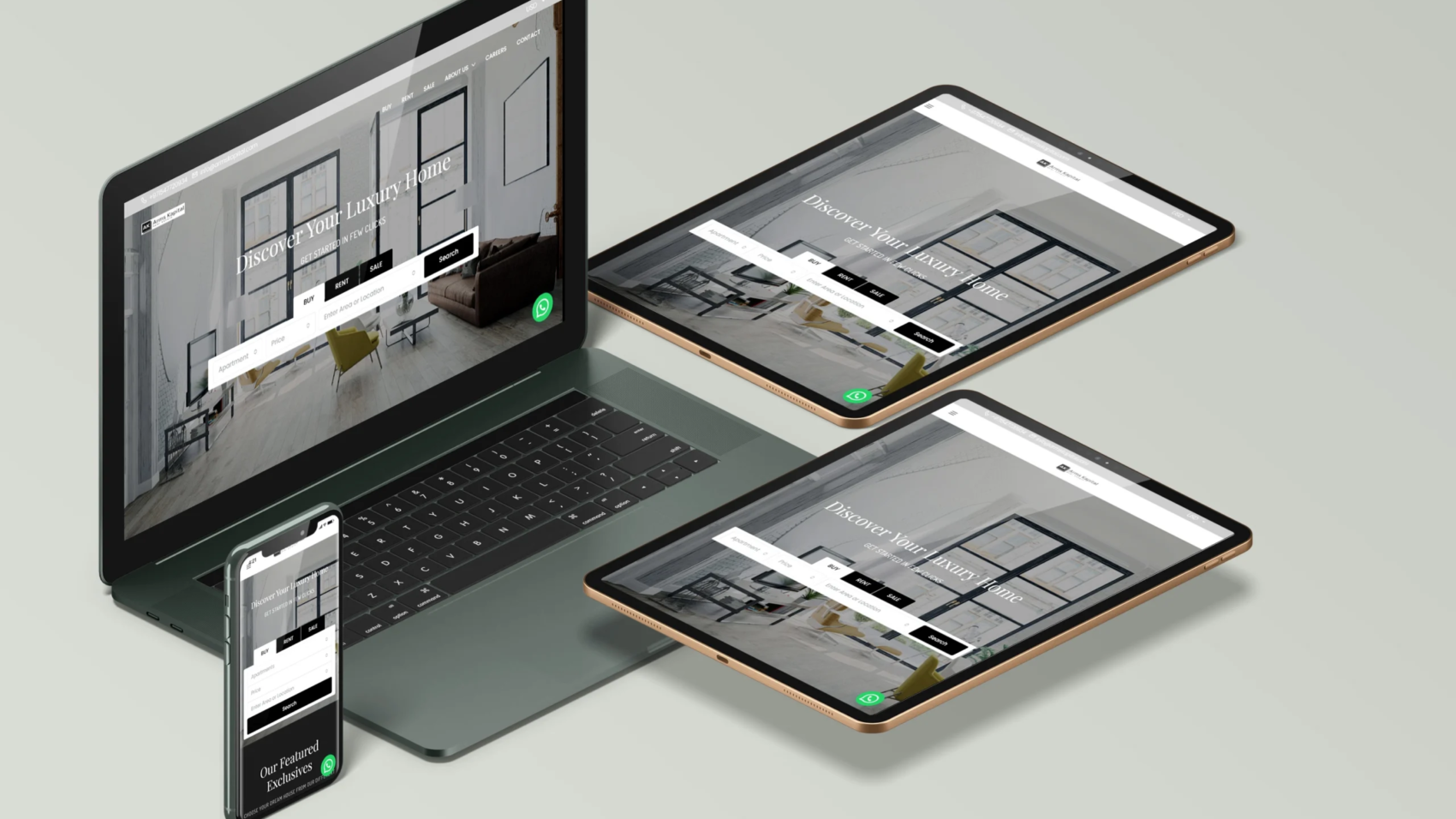
Arms Real Estate offers premium luxury properties, exclusive homes, and high-end investments. Discover upscale living and prime real estate opportunities.

How Much Does a Website Cost in Cameroon? A 2026 Pricing Guide for Small Businesses

Website Cost in Cameroon: Quick Answer for 2026

If you are a small business owner in Buea, Douala, or anywhere in Cameroon searching for web design prices, here is the direct answer: a professionally built business website in Cameroon typically costs between 150,000 FCFA and 1,500,000 FCFA depending on the type, complexity, and features required. Ecommerce websites start higher, usually from 400,000 FCFA. This guide breaks down exactly what you get at each price point so you can make an informed decision — and avoid paying for things you do not need yet.

Already convinced you need a website but unsure why it matters so much? Read our in-depth post on why every small business in Cameroon needs a website in 2026 before diving into pricing.

What Factors Determine Website Cost in Cameroon?

No two websites cost the same. Before requesting a website development quotation in Cameroon, it helps to understand the variables that drive price. The following factors have the greatest impact on your final invoice:

  • Type of website — A simple informational site costs far less than a full ecommerce store or a booking platform.
  • Number of pages — A 5-page brochure site is quicker to build than a 30-page service portal.
  • Custom design vs. template — A unique, brand-specific design costs more but performs better and stands out from competitors.
  • Features and integrations — Payment gateways (MTN Mobile Money, Orange Money, Stripe), contact forms, appointment booking, live chat, and membership systems all add to development time.
  • Content creation — If you need copywriting, photography, or video production included, expect the price to rise accordingly.
  • SEO setup — On-page optimisation, technical SEO, and keyword integration may be bundled or quoted separately.
  • Ongoing maintenance — Monthly retainers for updates, security, and hosting support are an additional recurring cost.

Website Pricing Tiers in Cameroon: A 2026 Breakdown

Below is a realistic, market-aligned pricing guide for small businesses seeking web design prices in Cameroon. All figures are approximate and will vary based on your chosen agency and specific project requirements.

1. Starter / Brochure Website — 150,000 to 350,000 FCFA

This tier suits sole traders, freelancers, and micro-businesses that need an online presence fast. You typically receive:

  • 3 to 5 pages (Home, About, Services, Contact)
  • Mobile-responsive design
  • Basic contact form
  • Google Maps integration
  • Standard template with brand colours applied

This is the most affordable entry point for a business website price in Buea, and it is enough to establish credibility and be found on Google.

2. Professional Business Website — 350,000 to 750,000 FCFA

This is the most popular tier for established small and medium-sized businesses in Cameroon. It includes everything in the starter tier plus:

  • Up to 10–15 pages
  • Custom design tailored to your brand identity
  • Blog or news section
  • Basic on-page SEO setup
  • Social media integration
  • WhatsApp chat button (essential for the Cameroon market)
  • Speed and performance optimisation

At this level, your website actively supports customer acquisition and retention. In fact, a well-designed site directly strengthens your digital presence and long-term customer loyalty.

3. Ecommerce Website — 400,000 to 1,000,000 FCFA

Ecommerce website cost in Cameroon is higher because of the additional functionality required. A standard online store includes:

  • Product catalogue with categories and filters
  • Shopping cart and checkout system
  • MTN Mobile Money and Orange Money payment integration
  • Order management and inventory tracking
  • Customer account creation
  • SSL security certificate

If you plan to sell products or services online, this investment pays for itself quickly — especially as social commerce and online shopping continue to grow across Cameroon.

4. Advanced / Custom Web Application — 1,000,000 FCFA and above

Larger businesses, NGOs, schools, and hotels requiring booking systems, member portals, multi-vendor marketplaces, or custom dashboards fall into this category. Projects are scoped and quoted individually after a discovery session.

What About Domain Names and Hosting?

These are recurring costs that are separate from the web design fee. Here is what to budget annually:

  • Domain name (.com or .cm) — Approximately 8,000 to 20,000 FCFA per year
  • Shared hosting — Approximately 30,000 to 80,000 FCFA per year (suitable for starter and business sites)
  • VPS or dedicated hosting — 150,000 FCFA and above per year (recommended for high-traffic or ecommerce sites)
  • SSL certificate — Often included with hosting, but standalone certificates can cost 15,000 to 50,000 FCFA per year

Always confirm whether domain registration and hosting are included in your agency’s quotation, or quoted separately.

Should You Hire a Local Agency or Use DIY Website Builders?

Website builders like Wix or Squarespace may appear cheaper upfront, but they come with serious limitations: monthly subscription fees that accumulate over time, limited customisation, no local payment gateway support, and little to no SEO control. For Cameroonian businesses targeting local customers on Google and on mobile, a professionally built website from a local agency consistently delivers better results.

A local agency understands the Cameroon market, speaks your language (literally and commercially), can meet you in person, and builds sites optimised for local search intent. See the full range of what a Cameroon-based agency can offer by visiting our web design services page.

Is SEO Included in the Website Price?

Basic on-page SEO (meta titles, meta descriptions, heading structure, image alt text) is typically included in the professional tier and above. However, ongoing SEO — the kind that consistently pushes your website to the top of Google search results for terms like “plumber in Buea” or “hotel in Limbe” — is a separate monthly service. Learn more about what that involves on our SEO services page.

How to Get an Accurate Website Development Quotation in Cameroon

Every business is different. The fastest way to get a precise quote is to come prepared with the following information:

  1. Your business name, industry, and target customers
  2. A list of the pages or features you need
  3. Examples of websites you like (for design reference)
  4. Whether you need content written or can supply your own
  5. Your desired launch date and budget range

You can browse our completed projects on the G-DESIGNS portfolio page to see the quality and variety of sites we have delivered across Cameroon and beyond. When you are ready, contact our team for a free, no-obligation website development quotation tailored to your business.

Summary: Website Cost in Cameroon at a Glance

Here is a quick reference table to bookmark:

  • Starter site (3–5 pages): 150,000 – 350,000 FCFA
  • Professional business site (up to 15 pages): 350,000 – 750,000 FCFA
  • Ecommerce website: 400,000 – 1,000,000 FCFA
  • Custom web application: 1,000,000 FCFA and above
  • Domain + hosting (annual): 38,000 – 100,000 FCFA

Investing in a quality website is one of the highest-return decisions a small business in Cameroon can make in 2026. The cost of not having one — lost customers, reduced credibility, and missed revenue — far outweighs any upfront development fee. Get in touch with G-DESIGNS LTD today and let us build something that works as hard as you do.

Further Reading

2026 website pricing in Cameroon

.cm domain registration pricing

Still running your business without a website? Discover why a website for small business in Cameroon is no longer optional, it's your biggest growth lever in 2026.

Why Every Small Business in Cameroon Needs a website in 2026

Why Every Small Business in Cameroon Needs a website in 2026

Introduction

Someone hears about your business (website for small business in Cameroon). They’re interested. Maybe even ready to buy.

So they search for you online.

And nothing shows up.

That moment right there? It’s where most small businesses in Cameroon lose potential customers without even realizing it. In 2026, not having a website for small business in Cameroon is no longer just a gap, it’s a serious growth limitation.

Customers today don’t rely only on recommendations or walk-ins. They search, compare, and decide online. Whether you’re running a boutique in Buea, a logistics service in Douala, or a consultancy in Yaoundé, your online presence directly impacts your credibility and revenue.

This article breaks down exactly why a website matters, how it helps you grow, and how to get started the right way.

Why a Website for Small Business in Cameroon Is No Longer Optional

The way people discover businesses has changed, and it’s not slowing down.

Across Cameroon, more consumers are:

  • Searching on Google before making decisions
  • Comparing multiple businesses online
  • Choosing brands that look professional

With increased smartphone usage and better internet access, your customers are already online. The question is simple: can they find you?

Without a website:

  • You miss out on search traffic
  • You lose credibility instantly
  • You depend too much on social media platforms

A small business website in Cameroon is no longer a luxury. It’s your foundation for visibility and growth.

How a Small Business Website in Cameroon Helps You Get More Customers

A well-built website doesn’t just sit online; it actively works for you.

It helps you attract, inform, and convert visitors into paying customers.

Here’s what your website can do:

  • Generate leads 24/7, even when your shop is closed
  • Showcase your services clearly
  • Build trust through testimonials and case studies
  • Make it easy for customers to contact you

Example

Two similar businesses offer the same service:

  • One only uses WhatsApp
  • The other has a professional website with clear information

Most customers will choose the one with the website. Why? Because it feels more reliable and established.

A strong website for small business in Cameroon positions you as the obvious choice.

A Website Builds Trust and Professional Credibility

Trust is one of the biggest deciding factors for customers.

When someone lands on your website, they quickly assess:

  • Are you legit?
  • Are you professional?
  • Can they trust you?

A clean, well-structured website instantly answers these questions.

Key elements that build trust:

  • Clear service descriptions
  • Real testimonials
  • Professional design
  • Easy contact options
  • Updated content

Without a website, many potential customers may hesitate, or worse, choose a competitor who looks more credible online.

Website vs Social Media: What Works Better for Businesses in Cameroon?

This is one of the most common questions.

Quick answer:

You need both, but they serve different roles.

Social Media:

  • Great for visibility and engagement
  • Helps you reach new audiences
  • Good for daily communication

Website:

  • Builds long-term credibility
  • Provides detailed information
  • Converts visitors into customers

The difference

Social media attracts attention.
Your website turns that attention into business.

Relying only on social platforms is risky. Algorithms change. Reach drops. Accounts get restricted.

Your website is the only platform you fully control.

Cost of Building a Website in Cameroon (What to Expect)

Many small business owners hesitate because of cost.

But here’s the truth, a website is not an expense. It’s an investment.

Typical cost factors:

  • Design complexity
  • Number of pages
  • Features (booking, eCommerce, etc.)
  • SEO optimisation

General estimate:

  • Basic website: affordable and accessible (Price starts from 75,000frs and above)
  • Professional website: higher cost but higher return (Price starts from 150,000frs and above)

What matters is not just the price, but the value it brings.

Even one or two new clients can cover the cost of your website.

SEO: How Your Website Becomes a Lead-Generating Machine

Having a website is step one. Getting traffic is step two.

That’s where SEO comes in.

SEO (Search Engine Optimisation) helps your website appear when people search for:

  • “web design services Cameroon”
  • “best business website Cameroon”
  • “digital marketing Cameroon”

Benefits of SEO:

  • Consistent free traffic
  • High-quality leads
  • Long-term growth

What your website needs:

  • Optimised keywords
  • Fast loading speed
  • Mobile-friendly design
  • Clear structure

At G-DESIGNS LTD, this is exactly how we approach website projects, combining design with SEO to ensure businesses don’t just exist online, but actually grow.

How to Create a Website for Your Small Business in Cameroon (Step-by-Step)

If you’re ready to get started, here’s a simple roadmap.

Step 1: Define your goal

Do you want leads, sales, or brand awareness?

Step 2: Choose a domain name

Keep it simple, clear, and memorable.

Step 3: Get reliable hosting

Speed and uptime matter more than you think.

Step 4: Design for mobile users

Most users in Cameroon browse on mobile devices.

Step 5: Add essential pages

  • Home
  • About
  • Services
  • Contact

Step 6: Optimise for SEO

Use keywords like:

  • website for small business in Cameroon
  • small business website Cameroon
  • web design services Cameroon

Step 7: Connect your channels

Link your website to WhatsApp, social media, and email.

Quick Answer: Why Do Small Businesses in Cameroon Need a website

A website for small business in Cameroon helps you build credibility, attract customers online, and generate leads 24/7. It also allows you to reach a wider audience beyond your physical location and compete effectively in today’s digital economy.

The Bigger Picture: Growing Your Online Presence in Africa

Cameroon is part of a rapidly growing digital economy.

Across Africa:

  • More businesses are going online
  • Customers are becoming more digital
  • Competition is increasing

Building a strong online presence in Africa gives you a competitive advantage.

Early adopters always win.

Conclusion

The reality is simple, if people can’t find you online, you’re invisible to a large part of your market.

A website for small business in Cameroon gives you visibility, credibility, and a powerful platform to grow. It allows you to move beyond limitations, reach more customers, and position your brand professionally.

The businesses that invest in their online presence today will dominate tomorrow.

If you’re ready to take that step, start now.

And if you want a website that doesn’t just look good but actually brings in clients, G-DESIGNS LTD is ready to help you build something that works.

FAQ SECTION (AEO-OPTIMISED)

Q: How much does a website for small business in Cameroon cost?
A: The cost depends on design and features, but a basic professional website starts from75,000frs which is affordable and scalable. The return on investment often outweighs the initial cost.

Q: Can I run my business only on WhatsApp without a website?
A: Yes, but it limits your growth. A website improves credibility, visibility, and helps you reach more customers.

Q: How long does it take to build a website in Cameroon?
A: A simple website can take between 1–3 weeks depending on complexity and content readiness.

Q: Do I need SEO for my website?
A: Yes. SEO helps your website rank on Google and attract organic traffic, which leads to more customers.

Q: What is the difference between a website and social media?
A: Social media helps you attract attention, while your website converts that attention into actual business.

The UAE is home to a vibrant and diverse graphic design industry, with numerous agencies offering a wide range of services.

The Power of Social Proof in Customer Acquisition

Understanding Social Proof

Social proof is a psychological phenomenon where individuals look to the behavior and opinions of others to guide their own decisions. In the context of customer acquisition, social proof serves as a powerful tool for businesses to build trust and credibility with potential customers. This concept is rooted in the idea that if many people are doing something, it must be the right choice. Companies leverage social proof through various strategies, such as testimonials, reviews, case studies, and user-generated content, to influence prospects and encourage them to make a purchase.

The Importance of Trust in Customer Acquisition

In today’s digital marketplace, trust is a critical factor in customer acquisition. With the vast array of options available to consumers, many are cautious about where to spend their money. Social proof helps to alleviate this hesitation by providing evidence that others have had positive experiences with a product or service. When potential customers see favorable reviews or endorsements from their peers, they are more likely to feel confident in their decision to engage with a brand. This trust can lead to increased conversions and customer loyalty, which are essential for long-term business success.

Types of Social Proof

There are several forms of social proof that businesses can utilize to enhance their customer acquisition strategies.

1. Testimonials: Positive feedback from satisfied customers can significantly impact potential buyers. Testimonials can be displayed prominently on websites, marketing materials, and social media to showcase real experiences and foster trust.

2. Reviews: Online reviews on platforms like Google, Yelp, and social media can sway potential customers. A high rating can be a decisive factor in their purchasing decision.

3. Influencer Endorsements: Collaborating with influencers who have a strong following can amplify a brand’s reach and credibility. When influencers vouch for a product, their audience is more likely to trust that recommendation.

4. User-Generated Content: Encouraging customers to share their experiences through photos or videos creates authentic content that resonates with potential buyers. This form of social proof is often perceived as more genuine than traditional advertising.

5. Case Studies: Detailed case studies highlighting successful outcomes can provide in-depth insights into how a product or service solves specific problems, further validating its effectiveness.

Leveraging Social Proof in Marketing Strategies

To effectively leverage social proof in marketing strategies, businesses should be intentional about how they present this information to their audience. Here are some tactics to consider:

1. Showcase Testimonials Prominently: Placing testimonials on landing pages, product pages, and checkout processes can encourage potential customers to proceed with their purchases.

2. Encourage Reviews: Actively asking customers for reviews post-purchase can help generate an influx of positive feedback. Providing incentives, like discounts on future purchases, can motivate customers to share their experiences.

3. Utilize social media: Sharing user-generated content on social media platforms not only showcases happy customers but also creates a sense of community around the brand.

4. Highlight Influencer Partnerships: Featuring influencers who have endorsed your products can attract their followers and build credibility among potential customers.

5. Create Engaging Case Studies: Developing detailed case studies that outline customer challenges and how your product provided solutions can resonate deeply with prospects facing similar issues.

The Impact of Social Proof on Conversion Rates

The influence of social proof on conversion rates cannot be understated. Studies have shown that consumers are more likely to convert when they see evidence of others’ satisfaction with a product. For example, a website that prominently displays customer reviews can see a significant increase in sales compared to one that does not. Incorporating social proof elements into marketing strategies can lead to higher engagement, reduced bounce rates, and ultimately, improved sales figures.

Conclusion

In an increasingly competitive marketplace, the power of social proof in customer acquisition is more relevant than ever. By understanding how to effectively leverage testimonials, reviews, influencer endorsements, and other forms of social proof, businesses can build trust and credibility with their audience. As trust translates into conversions, harnessing the power of social proof becomes not just a marketing tactic, but an essential component of a successful customer acquisition strategy.

As the digital landscape continues to evolve, the connection between digital presence and customer loyalty will only grow stronger.

The Connection Between Digital Presence and Customer Loyalty

The Importance of Digital Presence in Today’s Market

In an era where consumers are increasingly turning to online platforms for their shopping needs, a robust digital presence has become essential for businesses. This presence encompasses a company’s website, social media profiles, online reviews, and any other digital touchpoints that potential customers may encounter. A strong digital footprint not only enhances visibility but also serves as a critical factor in influencing customer behavior and decision-making. Companies that effectively leverage their digital presence can engage with customers more meaningfully, building a foundation for long-term loyalty.

Building Trust Through Transparency

One of the most significant aspects of a strong digital presence is the ability to foster trust among consumers. In a world where information is readily available, customers are more inclined to research a brand before making a purchase. A well-designed website, active social media engagement, and positive online reviews can significantly enhance a brand’s credibility. Transparency in communication, especially regarding product details and customer service policies, can further solidify this trust. When customers feel confident in a brand’s integrity, they are more likely to return for future purchases, ultimately contributing to increased customer loyalty.

Enhancing Customer Engagement

Digital platforms provide businesses with numerous opportunities to engage directly with their customers. Through social media channels, companies can interact with their audience in real-time, responding to inquiries, addressing concerns, and gathering feedback. This level of engagement creates a more personalized experience, allowing customers to feel valued and heard. Additionally, businesses can utilize email marketing, blogs, and online communities to maintain ongoing communication with their audience. When customers feel connected to a brand, they are more inclined to develop loyalty, often choosing it over competitors.

The Role of Content in Customer Loyalty

Content plays a pivotal role in establishing and maintaining a brand’s digital presence. High-quality, relevant content not only attracts potential customers but also keeps existing ones engaged. Educational blog posts, informative videos, and user-generated content can enhance the customer experience by providing value beyond just products or services. When a brand consistently delivers meaningful content, it nurtures a sense of community and belonging among its customers. This sense of connection is crucial for fostering loyalty, as customers are more likely to remain loyal to brands that resonate with their values and interests.

Utilizing Customer Feedback for Improvement

Another essential aspect of a strong digital presence is the ability to gather and utilize customer feedback effectively. Online reviews, surveys, and social media interactions provide valuable insights into customer preferences and areas for improvement. By actively listening to their audience and implementing changes based on feedback, businesses demonstrate that they value customer input. This responsiveness not only enhances the overall customer experience but also cultivates loyalty, as customers appreciate brands that prioritize their needs and concerns.

Creating a Seamless Omnichannel Experience

In today’s digital landscape, customers often interact with brands across multiple channels. A seamless omnichannel experience is crucial for maintaining loyalty, as it ensures that customers receive consistent messaging and service regardless of the platform they choose. Whether a customer is shopping online, engaging through social media, or visiting a physical store, a cohesive experience can significantly impact their perception of the brand. Companies that successfully integrate their digital and offline channels can create a more enjoyable customer journey, leading to increased satisfaction and loyalty.

Conclusion: The Future of Customer Loyalty

As the digital landscape continues to evolve, the connection between digital presence and customer loyalty will only grow stronger. Businesses that prioritize their digital strategies and focus on building meaningful relationships with their customers will be better positioned to thrive in a competitive market. By fostering trust, enhancing engagement, and creating a seamless experience, companies can cultivate a loyal customer base that not only returns for repeat purchases but also advocates for the brand. In the end, a strong digital presence is not just about visibility; it’s about creating lasting connections that drive customer loyalty for years to come.

One of the foundational skills every SEO specialist must master is a deep understanding of search engine algorithms.

Building a Content Calendar: Best Practices for Marketers

Understanding the Importance of a Content Calendar

A content calendar is a strategic tool that helps marketers plan, organize, and execute their content marketing efforts. It provides a visual overview of what content will be published, when it will be released, and through which channels. Having a content calendar is essential for maintaining consistency in messaging, aligning content with marketing goals, and optimizing resources effectively. It allows teams to anticipate busy periods, plan for seasonal campaigns, and ensure that all content aligns with the overall brand strategy.

Defining Your Goals and Audience

Before creating a content calendar, it’s crucial to define your marketing goals and understand your target audience. Are you aiming to increase brand awareness, generate leads, or boost customer engagement? Identifying specific objectives will help inform the type of content you need to create. Additionally, understanding your audience’s preferences, interests, and pain points will guide you in crafting content that resonates with them. This foundational step ensures that your content calendar serves a strategic purpose and provides value to your audience.

Choosing the Right Tools

The tools you use to create and manage your content calendar can significantly impact its effectiveness. There are various options available, from simple spreadsheets to sophisticated project management software. Tools like Trello, Asana, and CoSchedule offer features that help in collaboration, task assignment, and deadline management. Choose a tool that fits your team’s workflow and is user-friendly to ensure everyone can easily access and update the calendar.

Planning Content Types and Formats

A well-rounded content calendar should include a variety of content types and formats to keep your audience engaged. This could involve blog posts, social media updates, videos, podcasts, infographics, and more. Diversifying content not only caters to different audience preferences but also helps in amplifying your reach across various platforms. When planning content types, consider how each format aligns with your objectives and how it can be repurposed to maximize its value.

Establishing a Publishing Schedule

Consistency is key in content marketing, and establishing a publishing schedule is essential for maintaining engagement. Determine how often you want to publish content on each platform and stick to that frequency. This could be daily, weekly, bi-weekly, or monthly, depending on your resources and audience expectations. A clear schedule helps your team stay organized and ensures that your audience knows when to expect new content, fostering loyalty and engagement.

Incorporating Key Dates and Events

Integrating key dates, holidays, and events into your content calendar can enhance relevance and timeliness. Planning around major holidays, industry events, or product launches allows you to create content that captures current trends and engages your audience effectively. This approach also provides opportunities for promotional campaigns and special content that can drive traffic and conversions.

Collaborating with Your Team

A content calendar is most effective when it is a collaborative effort. Involve your entire marketing team in the planning process to gather diverse perspectives and ideas. Regular team meetings can help in assigning responsibilities, discussing upcoming content, and ensuring everyone is aligned with the overall strategy. Collaboration fosters creativity and ensures that all team members are on the same page regarding deadlines and content expectations.

Monitoring and Analyzing Performance

Once your content is published, the work doesn’t end. Regularly monitoring and analyzing the performance of your content is crucial for understanding what resonates with your audience. Utilize analytics tools to track engagement metrics, conversion rates, and other key performance indicators. This data will provide insights into which types of content are most effective and help you make informed decisions for future planning.

Being Flexible and Adapting

While a content calendar provides structure, it’s important to remain flexible and adaptable. The digital landscape is constantly evolving, and new trends can emerge unexpectedly. Be prepared to modify your calendar to accommodate timely topics or shifts in audience interest. Regularly review and update your calendar to reflect any changes in strategy, ensuring that your content remains relevant and impactful.

Conclusion

Building a content calendar is a vital practice for marketers looking to streamline their efforts and maximize their impact. By understanding the importance of a content calendar, defining your goals, choosing the right tools, and incorporating flexibility, you can create a strategic roadmap that guides your content marketing initiatives. Embrace the process of planning and reviewing your content calendar regularly to foster growth and engagement with your audience.

Selecting the right branding agency is a crucial decision that can significantly impact your business's growth and visibility.

How to Choose the Best Branding Agency in Dubai

Choosing the Best Branding Agency in Dubai

Selecting the right branding agency is a crucial decision that can significantly impact your business’s growth and visibility. Dubai, being a hub for innovation and commerce, is home to numerous branding agencies, each offering a unique approach and skill set. Here’s a guide to help you navigate this process effectively.

Understanding Your Branding Needs

Before you start searching for a branding agency, it’s essential to have a clear understanding of your branding needs. Are you looking for a complete rebranding, or do you need help with specific aspects like logo design, social media marketing, or content creation? Defining your objectives will help you communicate your vision to potential agencies and ensure they can provide the services you require.

Researching Potential Agencies

Once you know what you need, begin researching potential branding agencies in Dubai. Utilise online resources, social media platforms, and professional networks like LinkedIn to gather a list of candidates. Pay attention to their portfolios, client testimonials, and case studies to gauge their experience and expertise. A well-established agency should have a diverse range of successful projects that demonstrate its ability to handle various branding challenges.

Evaluating Their Expertise and Experience

When you have a shortlist of agencies, evaluate their expertise and experience in your industry. Some agencies may specialise in certain sectors, while others offer a broader range of services. Look for agencies that have a proven track record in delivering results for businesses similar to yours. It’s also beneficial to assess their understanding of the local market dynamics in Dubai, as cultural nuances can play a significant role in branding success.

Assessing Creativity and Innovation

Branding is inherently creative, and the agency you choose should demonstrate strong creative capabilities. Review their previous work to see if their designs and concepts resonate with your vision. A good branding agency should not only be able to follow trends but should also be innovative enough to set them. Consider scheduling meetings or consultations to discuss their creative process and how they approach branding projects.

Checking Client References

Client references can provide invaluable insights into an agency’s reliability and effectiveness. Don’t hesitate to ask for references from past clients and follow up with them to gain a better understanding of their experiences. Inquire about the agency’s communication style, adherence to deadlines, and overall satisfaction with the services provided. This feedback can help you make a more informed decision.

Understanding Their Approach and Strategy

Every branding agency has its approach and methodology. It is essential to understand how an agency plans to tackle your branding project. Ask about their strategy, the tools they use, and how they measure success. A good agency should be data-driven, providing insights and analytics on how their branding efforts will translate into tangible results. Their approach should align with your business goals and values.

Considering Budget and Pricing Structure

Budget is a crucial factor in choosing a branding agency. Different agencies have varying pricing structures based on their expertise and the scope of services offered. Be transparent about your budget from the outset and ask for detailed proposals that outline the costs involved. While it may be tempting to go for the cheapest option, remember that quality often comes at a price. Investing in a reputable agency can yield long-term benefits for your brand.

Evaluating Communication and Collaboration

Effective communication and collaboration are vital for a successful partnership. During your initial interactions, assess how responsive and approachable the agency is. A branding agency that values communication will ensure that you remain updated throughout the project and are involved in key decisions. It’s important to choose an agency that fosters a collaborative environment where your input is valued.

Making the Final Decision

After going through the above steps, you should have a clearer picture of which branding agency aligns best with your needs. Trust your instincts and choose an agency that you feel comfortable with and confident in. The right branding agency will not only help you create a strong brand identity but will also become a long-term partner in your business growth.

In conclusion, choosing the best branding agency in Dubai requires careful consideration and research. By understanding your needs, evaluating agency expertise, and fostering open communication, you can find an agency that will effectively elevate your brand in a competitive marketplace.

Website Design and Marketing Services in Dubai

How to Market your Small Business on a Budget

Marketing a small business on a budget can be a challenging yet rewarding endeavour. With creativity and strategic planning, you can effectively promote your business without breaking the bank. Here are some tips to help you market your small business while keeping expenses low.

Leverage Social Media

Social media platforms are invaluable tools for small businesses looking to reach a wider audience without spending significant amounts of money. Create profiles on popular platforms such as Facebook, Instagram, Twitter, and LinkedIn, depending on where your target audience is most active.

Regularly post engaging content that offers value to your audience, such as tips, behind-the-scenes looks, or customer testimonials. Utilise the power of hashtags to increase the visibility of your posts and engage with your followers through comments and direct messages. Consider joining relevant groups to connect with potential customers and industry peers.

Utilise Email Marketing

Email marketing remains one of the most cost-effective ways to reach your customers directly. Build an email list by offering incentives such as discounts, exclusive content, or freebies in exchange for email subscriptions. Once you have a list, create regular newsletters to keep your audience informed about new products, promotions, or events.

Make sure your emails are visually appealing and provide valuable content to encourage higher open and click-through rates. Various email marketing platforms offer free or low-cost options to help you get started.

Network Locally

Building relationships within your local community can be a powerful marketing strategy. Attend local events, trade shows, and networking meetups to connect with potential customers and other business owners. Consider joining local business organisations or chambers of commerce to expand your network.

Collaborate with other small businesses for cross-promotions or joint events, which can help you reach a broader audience without incurring significant costs. Word-of-mouth referrals from local connections can be incredibly effective in attracting new customers.

Create Valuable Content

Content marketing can be a highly effective way to market your business without a hefty budget. Start a blog on your website where you share valuable information related to your industry, tips, and advice. This not only helps establish your authority in the field but also improves your website’s search engine optimisation (SEO), making it easier for potential customers to find you online.

Additionally, consider creating informative videos or infographics that can be shared on social media. Quality, valuable content can attract new customers and keep your existing audience engaged.

Optimise Your Website for SEO

Search engine optimisation is essential for increasing your online visibility. By optimising your website for relevant keywords, you can improve your chances of appearing in search engine results without spending money on paid advertising. Start with basic SEO practices, such as optimising your page titles, meta descriptions, and using alt tags for images.

Regularly updating your website with fresh content, such as blog posts or new product information, can also help with your SEO efforts. Tools like Google Analytics can provide insights into how visitors find your site, allowing you to adjust your strategies accordingly.

Engage in Guerrilla Marketing

Guerrilla marketing involves unconventional, creative tactics to promote your business without a large budget. This could include eye-catching street art, flash mobs, or unique giveaways that capture attention. The goal is to create buzz and generate word-of-mouth advertising.

Consider leveraging local events or festivals by setting up a booth or sponsoring activities. The more unique and memorable your marketing efforts, the more likely they are to resonate with your audience and encourage them to share their experiences.

Measure and Adjust Your Strategies

Marketing on a budget requires constant evaluation of your efforts to determine what works and what doesn’t. Use analytics tools to track the performance of your social media posts, email campaigns, and website traffic. Pay attention to engagement rates, conversion rates, and customer feedback.

By understanding which strategies are most effective, you can allocate your resources more wisely and adjust your approach as needed. Always be open to experimenting with new tactics to see what resonates best with your audience.

In conclusion, marketing your small business on a budget is entirely possible with the right strategies. By leveraging social media, engaging in local networking, creating valuable content, and optimising your online presence, you can effectively promote your business while keeping costs low. Remember to measure your efforts and adapt as necessary to maximise your marketing potential.