
Arms Real Estate offers premium luxury properties, exclusive homes, and high-end investments. Discover upscale living and prime real estate opportunities.

How Much Does a Website Cost in Cameroon? A 2026 Pricing Guide for Small Businesses

Website Cost in Cameroon: Quick Answer for 2026

If you are a small business owner in Buea, Douala, or anywhere in Cameroon searching for web design prices, here is the direct answer: a professionally built business website in Cameroon typically costs between 150,000 FCFA and 1,500,000 FCFA depending on the type, complexity, and features required. Ecommerce websites start higher, usually from 400,000 FCFA. This guide breaks down exactly what you get at each price point so you can make an informed decision — and avoid paying for things you do not need yet.

Already convinced you need a website but unsure why it matters so much? Read our in-depth post on why every small business in Cameroon needs a website in 2026 before diving into pricing.

What Factors Determine Website Cost in Cameroon?

No two websites cost the same. Before requesting a website development quotation in Cameroon, it helps to understand the variables that drive price. The following factors have the greatest impact on your final invoice:

  • Type of website — A simple informational site costs far less than a full ecommerce store or a booking platform.
  • Number of pages — A 5-page brochure site is quicker to build than a 30-page service portal.
  • Custom design vs. template — A unique, brand-specific design costs more but performs better and stands out from competitors.
  • Features and integrations — Payment gateways (MTN Mobile Money, Orange Money, Stripe), contact forms, appointment booking, live chat, and membership systems all add to development time.
  • Content creation — If you need copywriting, photography, or video production included, expect the price to rise accordingly.
  • SEO setup — On-page optimisation, technical SEO, and keyword integration may be bundled or quoted separately.
  • Ongoing maintenance — Monthly retainers for updates, security, and hosting support are an additional recurring cost.

Website Pricing Tiers in Cameroon: A 2026 Breakdown

Below is a realistic, market-aligned pricing guide for small businesses seeking web design prices in Cameroon. All figures are approximate and will vary based on your chosen agency and specific project requirements.

1. Starter / Brochure Website — 150,000 to 350,000 FCFA

This tier suits sole traders, freelancers, and micro-businesses that need an online presence fast. You typically receive:

  • 3 to 5 pages (Home, About, Services, Contact)
  • Mobile-responsive design
  • Basic contact form
  • Google Maps integration
  • Standard template with brand colours applied

This is the most affordable entry point for a business website price in Buea, and it is enough to establish credibility and be found on Google.

2. Professional Business Website — 350,000 to 750,000 FCFA

This is the most popular tier for established small and medium-sized businesses in Cameroon. It includes everything in the starter tier plus:

  • Up to 10–15 pages
  • Custom design tailored to your brand identity
  • Blog or news section
  • Basic on-page SEO setup
  • Social media integration
  • WhatsApp chat button (essential for the Cameroon market)
  • Speed and performance optimisation

At this level, your website actively supports customer acquisition and retention. In fact, a well-designed site directly strengthens your digital presence and long-term customer loyalty.

3. Ecommerce Website — 400,000 to 1,000,000 FCFA

Ecommerce website cost in Cameroon is higher because of the additional functionality required. A standard online store includes:

  • Product catalogue with categories and filters
  • Shopping cart and checkout system
  • MTN Mobile Money and Orange Money payment integration
  • Order management and inventory tracking
  • Customer account creation
  • SSL security certificate

If you plan to sell products or services online, this investment pays for itself quickly — especially as social commerce and online shopping continue to grow across Cameroon.

4. Advanced / Custom Web Application — 1,000,000 FCFA and above

Larger businesses, NGOs, schools, and hotels requiring booking systems, member portals, multi-vendor marketplaces, or custom dashboards fall into this category. Projects are scoped and quoted individually after a discovery session.

What About Domain Names and Hosting?

These are recurring costs that are separate from the web design fee. Here is what to budget annually:

  • Domain name (.com or .cm) — Approximately 8,000 to 20,000 FCFA per year
  • Shared hosting — Approximately 30,000 to 80,000 FCFA per year (suitable for starter and business sites)
  • VPS or dedicated hosting — 150,000 FCFA and above per year (recommended for high-traffic or ecommerce sites)
  • SSL certificate — Often included with hosting, but standalone certificates can cost 15,000 to 50,000 FCFA per year

Always confirm whether domain registration and hosting are included in your agency’s quotation, or quoted separately.

Should You Hire a Local Agency or Use DIY Website Builders?

Website builders like Wix or Squarespace may appear cheaper upfront, but they come with serious limitations: monthly subscription fees that accumulate over time, limited customisation, no local payment gateway support, and little to no SEO control. For Cameroonian businesses targeting local customers on Google and on mobile, a professionally built website from a local agency consistently delivers better results.

A local agency understands the Cameroon market, speaks your language (literally and commercially), can meet you in person, and builds sites optimised for local search intent. See the full range of what a Cameroon-based agency can offer by visiting our web design services page.

Is SEO Included in the Website Price?

Basic on-page SEO (meta titles, meta descriptions, heading structure, image alt text) is typically included in the professional tier and above. However, ongoing SEO — the kind that consistently pushes your website to the top of Google search results for terms like “plumber in Buea” or “hotel in Limbe” — is a separate monthly service. Learn more about what that involves on our SEO services page.

How to Get an Accurate Website Development Quotation in Cameroon

Every business is different. The fastest way to get a precise quote is to come prepared with the following information:

  1. Your business name, industry, and target customers
  2. A list of the pages or features you need
  3. Examples of websites you like (for design reference)
  4. Whether you need content written or can supply your own
  5. Your desired launch date and budget range

You can browse our completed projects on the G-DESIGNS portfolio page to see the quality and variety of sites we have delivered across Cameroon and beyond. When you are ready, contact our team for a free, no-obligation website development quotation tailored to your business.

Summary: Website Cost in Cameroon at a Glance

Here is a quick reference table to bookmark:

  • Starter site (3–5 pages): 150,000 – 350,000 FCFA
  • Professional business site (up to 15 pages): 350,000 – 750,000 FCFA
  • Ecommerce website: 400,000 – 1,000,000 FCFA
  • Custom web application: 1,000,000 FCFA and above
  • Domain + hosting (annual): 38,000 – 100,000 FCFA

Investing in a quality website is one of the highest-return decisions a small business in Cameroon can make in 2026. The cost of not having one — lost customers, reduced credibility, and missed revenue — far outweighs any upfront development fee. Get in touch with G-DESIGNS LTD today and let us build something that works as hard as you do.


Further Reading

2026 website pricing in Cameroon

.cm domain registration pricing

Still running your business without a website? Discover why a website for small business in Cameroon is no longer optional, it's your biggest growth lever in 2026.

Why Every Small Business in Cameroon Needs a website in 2026

Why Every Small Business in Cameroon Needs a website in 2026

Introduction

Someone hears about your business (website for small business in Cameroon). They’re interested. Maybe even ready to buy.

So they search for you online.

And nothing shows up.

That moment right there? It’s where most small businesses in Cameroon lose potential customers without even realizing it. In 2026, not having a website for small business in Cameroon is no longer just a gap, it’s a serious growth limitation.

Customers today don’t rely only on recommendations or walk-ins. They search, compare, and decide online. Whether you’re running a boutique in Buea, a logistics service in Douala, or a consultancy in Yaoundé, your online presence directly impacts your credibility and revenue.

This article breaks down exactly why a website matters, how it helps you grow, and how to get started the right way.

Why a Website for Small Business in Cameroon Is No Longer Optional

The way people discover businesses has changed, and it’s not slowing down.

Across Cameroon, more consumers are:

  • Searching on Google before making decisions
  • Comparing multiple businesses online
  • Choosing brands that look professional

With increased smartphone usage and better internet access, your customers are already online. The question is simple: can they find you?

Without a website:

  • You miss out on search traffic
  • You lose credibility instantly
  • You depend too much on social media platforms

A small business website in Cameroon is no longer a luxury. It’s your foundation for visibility and growth.

How a Small Business Website in Cameroon Helps You Get More Customers

A well-built website doesn’t just sit online; it actively works for you.

It helps you attract, inform, and convert visitors into paying customers.

Here’s what your website can do:

  • Generate leads 24/7, even when your shop is closed
  • Showcase your services clearly
  • Build trust through testimonials and case studies
  • Make it easy for customers to contact you

Example

Two similar businesses offer the same service:

  • One only uses WhatsApp
  • The other has a professional website with clear information

Most customers will choose the one with the website. Why? Because it feels more reliable and established.

A strong website for small business in Cameroon positions you as the obvious choice.

A Website Builds Trust and Professional Credibility

Trust is one of the biggest deciding factors for customers.

When someone lands on your website, they quickly assess:

  • Are you legit?
  • Are you professional?
  • Can they trust you?

A clean, well-structured website instantly answers these questions.

Key elements that build trust:

  • Clear service descriptions
  • Real testimonials
  • Professional design
  • Easy contact options
  • Updated content

Without a website, many potential customers may hesitate, or worse, choose a competitor who looks more credible online.

Website vs Social Media: What Works Better for Businesses in Cameroon?

This is one of the most common questions.

Quick answer:

You need both, but they serve different roles.

Social Media:

  • Great for visibility and engagement
  • Helps you reach new audiences
  • Good for daily communication

Website:

  • Builds long-term credibility
  • Provides detailed information
  • Converts visitors into customers

The difference

Social media attracts attention.
Your website turns that attention into business.

Relying only on social platforms is risky. Algorithms change. Reach drops. Accounts get restricted.

Your website is the only platform you fully control.

Cost of Building a Website in Cameroon (What to Expect)

Many small business owners hesitate because of cost.

But here’s the truth, a website is not an expense. It’s an investment.

Typical cost factors:

  • Design complexity
  • Number of pages
  • Features (booking, eCommerce, etc.)
  • SEO optimisation

General estimate:

  • Basic website: affordable and accessible (Price starts from 75,000frs and above)
  • Professional website: higher cost but higher return (Price starts from 150,000frs and above)

What matters is not just the price, but the value it brings.

Even one or two new clients can cover the cost of your website.

SEO: How Your Website Becomes a Lead-Generating Machine

Having a website is step one. Getting traffic is step two.

That’s where SEO comes in.

SEO (Search Engine Optimisation) helps your website appear when people search for:

  • “web design services Cameroon”
  • “best business website Cameroon”
  • “digital marketing Cameroon”

Benefits of SEO:

  • Consistent free traffic
  • High-quality leads
  • Long-term growth

What your website needs:

  • Optimised keywords
  • Fast loading speed
  • Mobile-friendly design
  • Clear structure

At G-DESIGNS LTD, this is exactly how we approach website projects, combining design with SEO to ensure businesses don’t just exist online, but actually grow.

How to Create a Website for Your Small Business in Cameroon (Step-by-Step)

If you’re ready to get started, here’s a simple roadmap.

Step 1: Define your goal

Do you want leads, sales, or brand awareness?

Step 2: Choose a domain name

Keep it simple, clear, and memorable.

Step 3: Get reliable hosting

Speed and uptime matter more than you think.

Step 4: Design for mobile users

Most users in Cameroon browse on mobile devices.

Step 5: Add essential pages

  • Home
  • About
  • Services
  • Contact

Step 6: Optimise for SEO

Use keywords like:

Step 7: Connect your channels

Link your website to WhatsApp, social media, and email.

Quick Answer: Why Do Small Businesses in Cameroon Need a website

A website for small business in Cameroon helps you build credibility, attract customers online, and generate leads 24/7. It also allows you to reach a wider audience beyond your physical location and compete effectively in today’s digital economy.

The Bigger Picture: Growing Your Online Presence in Africa

Cameroon is part of a rapidly growing digital economy.

Across Africa:

  • More businesses are going online
  • Customers are becoming more digital
  • Competition is increasing

Building a strong online presence in Africa gives you a competitive advantage.

Early adopters always win.

Conclusion

The reality is simple, if people can’t find you online, you’re invisible to a large part of your market.

A website for small business in Cameroon gives you visibility, credibility, and a powerful platform to grow. It allows you to move beyond limitations, reach more customers, and position your brand professionally.

The businesses that invest in their online presence today will dominate tomorrow.

If you’re ready to take that step, start now.

And if you want a website that doesn’t just look good but actually brings in clients, G-DESIGNS LTD is ready to help you build something that works.

FAQ SECTION (AEO-OPTIMISED)

Q: How much does a website for small business in Cameroon cost?
A: The cost depends on design and features, but a basic professional website starts from75,000frs which is affordable and scalable. The return on investment often outweighs the initial cost.

Q: Can I run my business only on WhatsApp without a website?
A: Yes, but it limits your growth. A website improves credibility, visibility, and helps you reach more customers.

Q: How long does it take to build a website in Cameroon?
A: A simple website can take between 1–3 weeks depending on complexity and content readiness.

Q: Do I need SEO for my website?
A: Yes. SEO helps your website rank on Google and attract organic traffic, which leads to more customers.

Q: What is the difference between a website and social media?
A: Social media helps you attract attention, while your website converts that attention into actual business.

The UAE is home to a vibrant and diverse graphic design industry, with numerous agencies offering a wide range of services.

The Power of Social Proof in Customer Acquisition

Understanding Social Proof

Social proof is a psychological phenomenon where individuals look to the behavior and opinions of others to guide their own decisions. In the context of customer acquisition, social proof serves as a powerful tool for businesses to build trust and credibility with potential customers. This concept is rooted in the idea that if many people are doing something, it must be the right choice. Companies leverage social proof through various strategies, such as testimonials, reviews, case studies, and user-generated content, to influence prospects and encourage them to make a purchase.

The Importance of Trust in Customer Acquisition

In today’s digital marketplace, trust is a critical factor in customer acquisition. With the vast array of options available to consumers, many are cautious about where to spend their money. Social proof helps to alleviate this hesitation by providing evidence that others have had positive experiences with a product or service. When potential customers see favorable reviews or endorsements from their peers, they are more likely to feel confident in their decision to engage with a brand. This trust can lead to increased conversions and customer loyalty, which are essential for long-term business success. According to Cialdini’s Principle of Social Proof” target=”_blank” rel=”noopener noreferrer”>research on consumer trust and social proof, the majority of consumers read online reviews before making a purchasing decision, underlining just how influential peer validation has become.

Types of Social Proof

There are several forms of social proof that businesses can utilize to enhance their customer acquisition strategies.

1. Testimonials: Positive feedback from satisfied customers can significantly impact potential buyers. Testimonials can be displayed prominently on websites, marketing materials, and social media to showcase real experiences and foster trust.

2. Reviews: Online reviews on platforms like Google, Yelp, and social media can sway potential customers. A high rating can be a decisive factor in their purchasing decision.

3. Influencer Endorsements: Collaborating with influencers who have a strong following can amplify a brand’s reach and credibility. When influencers vouch for a product, their audience is more likely to trust that recommendation.

4. User-Generated Content: Encouraging customers to share their experiences through photos or videos creates authentic content that resonates with potential buyers. This form of social proof is often perceived as more genuine than traditional advertising.

5. Case Studies: Detailed case studies highlighting successful outcomes can provide in-depth insights into how a product or service solves specific problems, further validating its effectiveness.

Leveraging Social Proof in Marketing Strategies

To effectively leverage social proof in marketing strategies, businesses should be intentional about how they present this information to their audience. Here are some tactics to consider:

1. Showcase Testimonials Prominently: Placing testimonials on landing pages, product pages, and checkout processes can encourage potential customers to proceed with their purchases.

2. Encourage Reviews: Actively asking customers for reviews post-purchase can help generate an influx of positive feedback. Providing incentives, like discounts on future purchases, can motivate customers to share their experiences.

3. Utilize social media: Sharing user-generated content on social media platforms not only showcases happy customers but also creates a sense of community around the brand.

4. Highlight Influencer Partnerships: Featuring influencers who have endorsed your products can attract their followers and build credibility among potential customers.

5. Create Engaging Case Studies: Developing detailed case studies that outline customer challenges and how your product provided solutions can resonate deeply with prospects facing similar issues.

The Impact of Social Proof on Conversion Rates

The influence of social proof on conversion rates cannot be understated. Studies have shown that consumers are more likely to convert when they see evidence of others’ satisfaction with a product. For example, a website that prominently displays customer reviews can see a significant increase in sales compared to one that does not. Incorporating social proof elements into marketing strategies can lead to higher engagement, reduced bounce rates, and ultimately, improved sales figures.

Conclusion

In an increasingly competitive marketplace, the power of social proof in customer acquisition is more relevant than ever. By understanding how to effectively leverage testimonials, reviews, influencer endorsements, and other forms of social proof, businesses can build trust and credibility with their audience. As trust translates into conversions, harnessing the power of social proof becomes not just a marketing tactic, but an essential component of a successful customer acquisition strategy.

As the digital landscape continues to evolve, the connection between digital presence and customer loyalty will only grow stronger.

The Connection Between Digital Presence and Customer Loyalty

The Importance of Digital Presence in Today’s Market

In an era where consumers are increasingly turning to online platforms for their shopping needs, a robust digital presence has become essential for businesses. This presence encompasses a company’s website, social media profiles, online reviews, and any other digital touchpoints that potential customers may encounter. A strong digital footprint not only enhances visibility but also serves as a critical factor in influencing customer behavior and decision-making. Companies that effectively leverage their digital presence can engage with customers more meaningfully, building a foundation for long-term loyalty.

Building Trust Through Transparency

One of the most significant aspects of a strong digital presence is the ability to foster trust among consumers. In a world where information is readily available, customers are more inclined to research a brand before making a purchase. A well-designed website, active social media engagement, and positive online reviews can significantly enhance a brand’s credibility. Transparency in communication, especially regarding product details and customer service policies, can further solidify this trust. According to Salesforce’s State of the Connected Customer report, 95% of customers say trust in a company makes them more likely to remain loyal. When customers feel confident in a brand’s integrity, they are more likely to return for future purchases, ultimately contributing to increased customer loyalty.

Enhancing Customer Engagement

Digital platforms provide businesses with numerous opportunities to engage directly with their customers. Through social media channels, companies can interact with their audience in real-time, responding to inquiries, addressing concerns, and gathering feedback. This level of engagement creates a more personalized experience, allowing customers to feel valued and heard. Additionally, businesses can utilize email marketing, blogs, and online communities to maintain ongoing communication with their audience. When customers feel connected to a brand, they are more inclined to develop loyalty, often choosing it over competitors.

The Role of Content in Customer Loyalty

Content plays a pivotal role in establishing and maintaining a brand’s digital presence. High-quality, relevant content not only attracts potential customers but also keeps existing ones engaged. Educational blog posts, informative videos, and user-generated content can enhance the customer experience by providing value beyond just products or services. When a brand consistently delivers meaningful content, it nurtures a sense of community and belonging among its customers. This sense of connection is crucial for fostering loyalty, as customers are more likely to remain loyal to brands that resonate with their values and interests.

Utilizing Customer Feedback for Improvement

Another essential aspect of a strong digital presence is the ability to gather and utilize customer feedback effectively. Online reviews, surveys, and social media interactions provide valuable insights into customer preferences and areas for improvement. By actively listening to their audience and implementing changes based on feedback, businesses demonstrate that they value customer input. This responsiveness not only enhances the overall customer experience but also cultivates loyalty, as customers appreciate brands that prioritize their needs and concerns.

Creating a Seamless Omnichannel Experience

In today’s digital landscape, customers often interact with brands across multiple channels. A seamless omnichannel experience is crucial for maintaining loyalty, as it ensures that customers receive consistent messaging and service regardless of the platform they choose. Whether a customer is shopping online, engaging through social media, or visiting a physical store, a cohesive experience can significantly impact their perception of the brand. Companies that successfully integrate their digital and offline channels can create a more enjoyable customer journey, leading to increased satisfaction and loyalty.

Conclusion: The Future of Customer Loyalty

As the digital landscape continues to evolve, the connection between digital presence and customer loyalty will only grow stronger. Businesses that prioritize their digital strategies and focus on building meaningful relationships with their customers will be better positioned to thrive in a competitive market. By fostering trust, enhancing engagement, and creating a seamless experience, companies can cultivate a loyal customer base that not only returns for repeat purchases but also advocates for the brand. In the end, a strong digital presence is not just about visibility; it’s about creating lasting connections that drive customer loyalty for years to come.

Crafting Compelling Calls to Action for Better Audience Interaction

Understanding the Importance of Calls to Action

In the realm of marketing and content creation, a well-crafted call to action (CTA) can make all the difference in audience engagement and conversion rates. A CTA serves as a prompt that encourages the audience to take a specific action, whether it’s signing up for a newsletter, downloading an eBook, or making a purchase. The effectiveness of a CTA can significantly influence how a message is received and acted upon, making it an essential component of any successful communication strategy. It works hand in hand with other trust-building elements, for instance, the power of social proof in customer acquisition can reinforce your CTA by giving audiences the confidence they need to act.

Identifying Your Audience’s Needs and Desires

To craft a compelling CTA, it’s crucial to understand your audience. What are their needs and desires? What problems are they looking to solve? Conducting thorough research, including surveys, social media interactions, and analytics, can provide valuable insights. By identifying the motivations that drive your audience, you can tailor your CTAs to resonate more deeply, offering solutions that align with their interests and pain points.

Clarity is Key

A clear and concise message is vital when crafting a CTA. Ambiguity can lead to confusion and disengagement, undermining the very purpose of the CTA. Use straightforward language that clearly conveys what action you want the audience to take. Phrases like “Sign Up Now,” “Get Your Free Trial,” or “Download the Guide” leave little room for interpretation. The more specific you are, the easier it is for your audience to understand what they should do next.

Creating a Sense of Urgency

Incorporating a sense of urgency can significantly enhance the effectiveness of your CTA. When people feel they might miss out on an opportunity, they are more likely to act promptly. Phrases like “Limited Time Offer” or “Join Now Before It’s Too Late” can create an immediate impetus for action. However, it’s essential to ensure that the urgency is genuine and not misleading, as this can lead to distrust and damage your brand’s reputation. According to research published by the The 3-Step CTA Formula for ConversionNielsen Norman Group, users respond most strongly to CTAs that are both specific and credible — making authenticity a non-negotiable element of urgency-driven messaging.

Utilizing Strong Action Verbs

Strong action verbs are pivotal in encouraging your audience to engage. Words like “Discover,” “Join,” “Create,” and “Unlock” can evoke a sense of action and excitement. Instead of passive phrases, opt for verbs that inspire movement and participation. The right choice of words can make your CTA more dynamic and impactful, driving higher engagement rates.

Design and Placement Considerations

The visual aspects of your CTA, including design and placement, play a significant role in its effectiveness. A well-designed CTA button should stand out on the page, using contrasting colors and clear typography to draw attention. Additionally, placement is critical; CTAs should be strategically positioned where the audience’s eyes naturally fall. Consider placing them at the top, middle, or end of your content to maximize visibility and encourage interaction.

Testing and Iteration for Optimal Results

Creating a compelling CTA is often an iterative process. What works for one audience may not resonate with another. To optimize your CTAs, employ A/B testing to compare different versions. Experiment with wording, design, placement, and even the timing of your CTAs. Keeping your efforts organized within a structured plan also helps, see our guide on building a content calendar: best practices for marketers to ensure your CTAs are deployed consistently and at the right moments. Analyzing the results will provide insights into what resonates best with your audience, allowing you to refine your approach continuously.

Conclusion

Crafting compelling calls to action is a skill that requires a deep understanding of your audience, clarity in messaging, and attention to design and placement. By incorporating urgency, strong action verbs, and ongoing testing, you can significantly enhance audience interaction and drive desired outcomes. As you refine your CTAs, remember that each interaction is an opportunity to connect with your audience and guide them toward taking meaningful actions.

Learn how to use email marketing to reach Cameroonian consumers. Build targeted lists, craft local content, and grow your business in Cameroon.

Utilizing Email Marketing to Reach Cameroonian Consumers

Understanding the Cameroonian Market

Cameroon, often referred to as “Africa in miniature,” boasts a diverse culture and a rapidly growing economy. With a population exceeding 25 million, the country presents a unique opportunity for businesses looking to reach consumers through digital channels. In recent years, internet penetration has risen significantly, with a considerable portion of the population gaining access to smartphones and social media platforms. However, email remains a vital communication tool, particularly among professionals and urban dwellers. Understanding this dynamic landscape is crucial for effectively utilizing email marketing to reach Cameroonian consumers.

Building a Targeted Email List

The cornerstone of any successful email marketing campaign is a well-curated email list. In Cameroon, businesses can build their lists through various strategies, such as offering valuable content, discounts, or exclusive offers in exchange for email subscriptions. Utilizing social media platforms like Facebook and Instagram, which are popular in the country, can help drive traffic to sign-up pages — and if you are also running paid social campaigns, see our guide on targeting local customers on Facebook for Buea businesses to complement your email efforts. Additionally, collaborating with local influencers can amplify reach and credibility, ensuring that the email list is composed of engaged and relevant subscribers.

Crafting Culturally Relevant Content

To resonate with Cameroonian consumers, email content must be culturally relevant and engaging. Given the country’s rich diversity, incorporating local languages, cultural references, and relatable stories can significantly enhance engagement. Campaigns should consider regional differences in preferences and values, tailoring content to reflect local traditions and interests. Furthermore, incorporating visually appealing designs and mobile-friendly layouts is essential, as many users access their emails on mobile devices. According to Cameroon Personal Data Protection Law No. 2024/017, mobile internet usage in sub-Saharan Africa continues to grow rapidly, making mobile-optimised email design a non-negotiable priority for brands targeting Cameroonian audiences.

Personalization and Segmentation

Personalization is key to improving email marketing effectiveness. By segmenting the email list based on demographics, interests, and previous interactions, businesses can send tailored messages that speak directly to the needs of different consumer groups. For instance, a company selling agricultural products might segment its list to address urban consumers interested in organic produce versus rural farmers seeking farming tools. Personalized content not only increases engagement rates but also fosters customer loyalty, making consumers feel valued and understood.

Utilizing Automated Campaigns

Email automation can streamline marketing efforts and save time while maintaining consistent communication with consumers. Automated campaigns can include welcome emails for new subscribers, birthday discounts, or re-engagement emails for inactive subscribers. This approach allows businesses to nurture leads and maintain relationships with customers over time. In the context of Cameroon, where many consumers appreciate timely and relevant communication, automated emails can significantly enhance customer experience.

Measuring Success and Adapting Strategies

To determine the effectiveness of email marketing campaigns, businesses must track key performance metrics such as open rates, click-through rates, and conversion rates. Analyzing these metrics helps in understanding what resonates with Cameroonian consumers and where improvements can be made. A/B testing different subject lines, content formats, and sending times can provide insights into consumer behavior, allowing businesses to refine their strategies and enhance overall campaign performance.

Compliance with Local Regulations

As with any marketing effort, compliance with local regulations is essential. In Cameroon, businesses should ensure they adhere to data protection laws and respect consumer privacy. This includes obtaining explicit consent before sending marketing emails and providing easy options for subscribers to opt-out. By prioritizing transparency and consumer rights, businesses can build trust and foster long-term relationships with their audience.

Conclusion

Utilizing email marketing to reach Cameroonian consumers presents a promising opportunity for businesses aiming to expand their market presence. By understanding the local culture, building targeted email lists, crafting relevant content, and employing automation, companies can effectively engage with consumers. Continuous measurement and adaptation of strategies will further enhance success, making email marketing a powerful tool in the Cameroonian marketplace. It is also worth remembering that email marketing works best as part of a broader digital strategy — read more about the connection between digital presence and customer loyalty to see how consistent online touchpoints reinforce the relationships your emails begin. With the right approach, businesses can not only reach but also resonate with this vibrant and diverse consumer base.

How to Create a Compelling Online Presence for Your Brand

Understanding Your Brand Identity

Creating a compelling online presence starts with a clear understanding of your brand identity. This includes your brand’s mission, values, and personality. Take the time to define what your brand stands for and how you want to be perceived by your audience. Consider conducting market research to gain insights into your target audience’s preferences and behaviors. This foundational knowledge will guide your online strategies and ensure consistency across all platforms.

Crafting a User-Friendly Website

Your website is often the first point of contact potential customers have with your brand. Therefore, it’s crucial to create a user-friendly and visually appealing site. Focus on a clean design, easy navigation, and quick loading times. Ensure that your website is mobile-responsive, as a significant portion of users access websites via smartphones. Include essential information such as your contact details, services, and a blog or resources section to engage visitors and encourage them to explore further.

Leveraging Social Media Platforms

Social media is a powerful tool for building your online presence. Identify which platforms align with your brand and where your target audience is most active. Whether it’s Instagram, Facebook, Twitter, or LinkedIn, tailor your content to fit the unique nature of each platform. Use engaging visuals, videos, and stories to connect with your audience. Regularly posting relevant and valuable content will help you build a community around your brand and foster customer loyalty. To get the most out of your efforts, it also helps to understand when and how often to post for maximum engagement Nielsen Norman Group’s homepage design principles.

Creating High-Quality Content

Content is king in the digital world, and producing high-quality content is essential for establishing your brand’s authority. Invest time in creating informative blog posts, videos, infographics, and podcasts that resonate with your audience. This content should not only showcase your expertise but also address the needs and interests of your target market. Regular updates to your content will keep your audience engaged and improve your search engine rankings.

Utilizing SEO Best Practices

Search engine optimization (SEO) is crucial for increasing your online visibility. Implementing SEO best practices will help your content rank higher in search engine results, making it easier for potential customers to find you. Focus on keyword research, on-page optimization, and quality backlinks to enhance your site’s authority. Additionally, consider creating a blog where you regularly post SEO-optimized articles to attract organic traffic and establish your brand as a thought leader in your industry. If you run a small or local business, exploring local SEO strategies tailored to small businesses can give you a significant competitive edge.

Engaging with Your Audience

Building a compelling online presence is not just about broadcasting your message; it’s also about engaging with your audience. Respond to comments, messages, and reviews promptly to show that you value their input. Encourage discussions on your social media posts and ask for feedback on your content. This two-way communication fosters a sense of community and makes your audience feel heard and appreciated.

Monitoring Analytics and Adjusting Strategies

To ensure your online presence remains effective, it’s essential to monitor your analytics regularly. Use tools like Google Analytics and social media insights to track your performance. Analyze metrics such as website traffic, engagement rates, and conversion rates to understand what’s working and what needs improvement. Based on these insights, be prepared to adjust your strategies accordingly to optimize your online presence continually.

Building Partnerships and Collaborations

Collaborating with other brands, influencers, or industry experts can significantly enhance your online presence. Seek out partnerships that align with your brand values and can introduce you to new audiences. Co-host webinars, create joint content, or engage in social media takeovers to tap into each other’s communities. These collaborations can create buzz around your brand and increase your visibility in the digital space.

Staying Authentic and True to Your Brand

Lastly, authenticity is key to building a compelling online presence. Stay true to your brand’s identity and values in all your communications. Customers are increasingly drawn to brands that are genuine and transparent. Share your story, showcase behind-the-scenes content, and be open about your challenges and successes. This authenticity fosters trust and loyalty among your audience, ultimately strengthening your brand’s online presence. To understand just how deeply your digital presence influences long-term customer relationships, read more about the connection between digital presence and customer loyalty.

In conclusion, creating a compelling online presence for your brand involves a combination of understanding your brand identity, delivering quality content, engaging with your audience, and continuously adapting to the digital landscape. By implementing these strategies, you can build a strong and lasting online presence that resonates with your target audience.

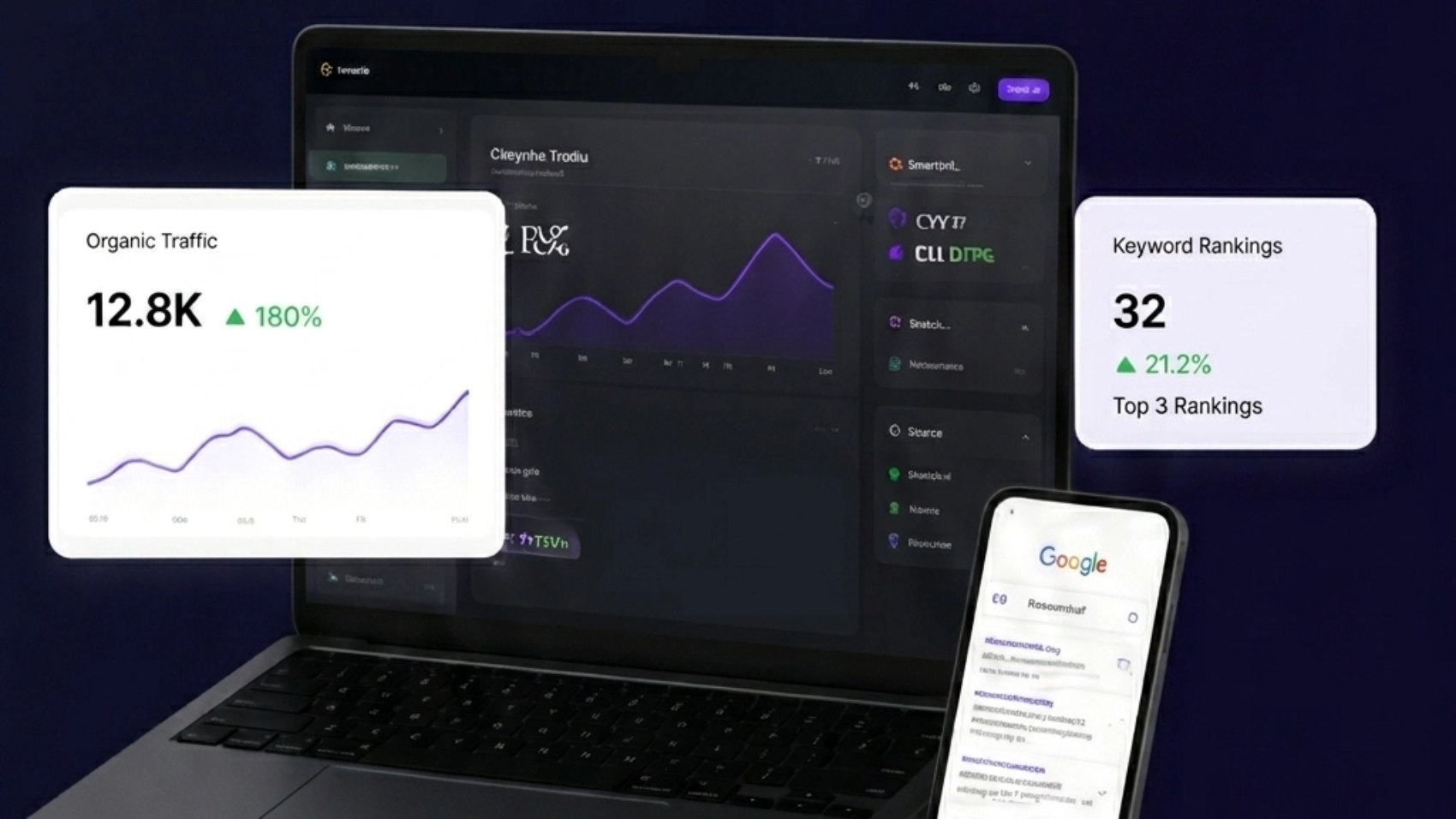
Boost your visibility with SEO, AEO & GEO services. Rank on Google, voice search, and AI platforms. Get more traffic, leads, and sales. Free audit available.

The Future of Digital Presence: Trends to Watch

The Rise of Virtual and Augmented Reality

As technology continues to evolve, virtual reality (VR) and augmented reality (AR) are becoming integral components of digital presence. Businesses are increasingly adopting these technologies to create immersive experiences for their customers. For instance, retailers are utilizing AR to allow customers to visualize how products will look in their own spaces before making a purchase.

This trend not only enhances the shopping experience but also reduces the likelihood of returns, ultimately benefiting both consumers and brands. As AR and VR technologies become more accessible and affordable, their integration into marketing strategies is expected to grow, leading to more engaging and interactive digital presence.

Personalization through AI and Machine Learning

Artificial intelligence (AI) and machine learning are revolutionizing the way companies approach digital presence. By analyzing user behavior and preferences, businesses can tailor their digital content to meet the specific needs of individual consumers. This level of personalization creates a more meaningful connection between brands and their audiences, fostering loyalty and trust.

For example, personalized recommendations on e-commerce platforms can significantly enhance the shopping experience, encouraging repeat visits and purchases. To stay on top of the tools driving this shift, it’s worth exploring AI tools every social media marketer should be using to streamline content and personalization at scale.

As AI technology continues to advance, the ability to create hyper-personalized content will become a standard expectation among consumers, making it crucial for businesses to adapt.

The Importance of a Mobile-First Strategy

With the increasing reliance on smartphones and mobile devices, a mobile-first approach to digital presence is essential. Companies must ensure that their websites and digital content are optimized for mobile users to provide an efficient and enjoyable experience. This includes responsive design, fast loading times, and mobile-friendly navigation.

As more consumers turn to their smartphones for shopping, social media, and information, businesses that prioritize mobile optimization are likely to see higher engagement rates and conversions. In the coming years, the trend toward mobile-first will only intensify, making it imperative for organizations to stay ahead of the curve.

Emphasis on Sustainability and Ethical Practices

As consumers become more environmentally conscious, businesses are increasingly expected to showcase their commitment to sustainability and ethical practices. This shift is influencing digital presence, as brands strive to communicate their values transparently.

Companies are leveraging digital platforms to share their sustainability initiatives, ethical sourcing, and community involvement, creating a narrative that resonates with socially-conscious consumers.

This trend not only enhances brand reputation but also fosters a loyal customer base that prioritizes ethical consumption. According to OECD digital transformation topic page, consumer trust is increasingly tied to a brand’s demonstrated values and ethical commitments. In the future, businesses that can effectively convey their commitment to sustainability will likely gain a competitive edge.

The Growth of Voice Search and Smart Assistants

Voice search technology continues to gain traction, driven by the widespread use of smart assistants like Siri, Alexa, and Google Assistant. As more consumers turn to voice search for convenience, businesses must adapt their digital presence to accommodate this trend.

This involves optimizing content for voice queries, which often differ from traditional text-based searches. Companies should focus on natural language processing and long-tail keywords to improve their visibility in voice search results. As voice technology evolves, integrating voice search into digital strategies will become increasingly important for maintaining a strong online presence.

Enhancing User Experience through Interactive Content

Interactive content is emerging as a powerful tool for engaging audiences and enhancing digital presence. This includes quizzes, polls, interactive infographics, and gamified experiences that encourage user participation.

By creating engaging and interactive content, businesses can capture user attention and foster a deeper connection with their audience. This trend is particularly relevant in a digital landscape saturated with passive content, where users are seeking more engaging experiences.

As the demand for interactive content grows, companies that prioritize user experience will be better positioned to stand out and drive engagement.

Conclusion: Embracing Change for Future Success

The future of digital presence is shaped by rapid technological advancements and shifting consumer expectations. By staying ahead of these trends, such as the rise of AR and VR, the importance of personalization through AI, the necessity of mobile optimization, and the emphasis on sustainability, businesses can create a dynamic and engaging digital footprint.

Ultimately, a strong digital presence is inseparable from customer loyalty; understanding the connection between digital presence and customer loyalty is key to building relationships that last well beyond the first interaction.

As organizations embrace these changes, they will not only enhance their digital presence but also build lasting relationships with their audiences, paving the way for future success in an ever-evolving landscape.

Creating a Memorable Online Presence: Tips for Brand Awareness

Creating a Memorable Online Presence: Tips for Brand Awareness

In today’s digital landscape, establishing a strong online presence is essential for businesses and individuals alike. A memorable online presence not only enhances brand awareness but also fosters trust and loyalty among consumers — and as we explore in The Connection Between Digital Presence and Customer Loyalty, that loyalty can become one of your most valuable long-term business assets. Below are strategies to help you cultivate a distinctive and impactful online presence.

Define Your Brand Identity

Before diving into the online realm, it’s crucial to have a clear understanding of your brand identity. This includes your mission, vision, values, and the unique selling proposition that distinguishes you from competitors. Take time to articulate what your brand stands for and how you want it to be perceived. This foundational step will guide all your branding efforts, ensuring consistency across various platforms and touchpoints.

Leverage Social Media Platforms

Social media is a powerful tool for enhancing brand awareness. Choose platforms that align with your target audience and industry, whether it’s Instagram for visually-driven content, LinkedIn for professional networking, or Twitter for real-time engagement. Create a content strategy that includes regular posts, interactive stories, and user-generated content. Engaging with your audience through comments, messages, and live sessions can significantly boost visibility and foster a sense of community around your brand.

Create High-Quality Content

Content is king in the digital world. Producing high-quality, relevant, and valuable content can attract and retain an audience. This can take various forms, including blog posts, videos, infographics, podcasts, and webinars. Focus on addressing your audience’s pain points and interests. Consistency in content creation is also key; establishing a regular posting schedule can keep your audience engaged and returning for more. According to the Hootsuite: Social media style guideContent Marketing Institute, brands that prioritize consistent, audience-focused content consistently outperform those that don’t when it comes to generating trust and leads.

Optimize Your Website for SEO

A well-optimized website is essential for attracting organic traffic and enhancing brand visibility. Invest time in search engine optimization (SEO) by integrating relevant keywords, creating descriptive meta tags, and ensuring fast load times. Additionally, mobile optimization is crucial, as a significant portion of users access websites via mobile devices. A user-friendly website not only improves search rankings but also creates a positive experience for visitors.

Utilize Email Marketing

Email marketing remains one of the most effective channels for building brand awareness and nurturing relationships. Create a mailing list by offering incentives such as discounts, exclusive content, or free resources. Regularly send newsletters that provide value to your subscribers, such as industry insights, tips, or updates about your products and services. Personalization can significantly enhance the effectiveness of your email campaigns, making subscribers feel valued and engaged.

Monitor Your Online Reputation

In the digital age, your reputation can be shaped by user-generated content and online reviews. Actively monitor mentions of your brand across social media, review sites, and forums to gauge public perception. Responding promptly and professionally to both positive and negative feedback demonstrates your commitment to customer satisfaction and can help mitigate any potential damage to your reputation.

Collaborate with Influencers

Partnering with influencers can amplify your brand’s reach and credibility. Choose influencers who align with your brand values and have an audience that matches your target demographic. Collaborations can take various forms, including sponsored content, product reviews, or social media takeovers. Influencer marketing can introduce your brand to new audiences and enhance trust through authentic endorsements. Before launching any influencer campaign, it’s also worth reviewing the key principles covered in Navigating Compliance and Disclosure in Influencer Marketing to ensure your partnerships remain transparent and credible.

Engage in Community Building

Building a community around your brand can create lasting relationships and enhance brand loyalty. Consider creating online forums, Facebook groups, or hosting webinars where your audience can connect and engage with each other and your brand. Encourage discussions, share valuable insights, and provide support. A strong community fosters a sense of belonging, making your brand more memorable and trusted.

Analyze and Adapt

Finally, regularly analyze your online presence and marketing efforts. Utilize tools like Google Analytics, social media insights, and email marketing metrics to track performance. Understand what works and what doesn’t, and be willing to adapt your strategies accordingly. Continuous improvement is vital in the ever-evolving digital landscape, ensuring that your brand remains relevant and engaging.

By implementing these strategies, you can create a memorable online presence that enhances brand awareness and builds lasting connections with your audience. The key is to remain authentic, consistent, and responsive to the needs of your target market, fostering a brand that resonates and stands out in a crowded digital space.