1655623832_31bND8jWwLS._AC_.jpg

Core 10 Women’s Yoga Fitted Racerback Tank


Price: [price_with_discount]
(as of [price_update_date] – Details)


[ad_1] An Amazon brand – Perfect for Yoga, this fitted racerback features a buttery-soft, moisture-wicking fabric and layers flawlessly over any sports bra
Package Dimensions ‏ : ‎ 11.65 x 6.77 x 1.02 inches; 5.64 Ounces
Item model number ‏ : ‎ WAI18029_T
Department ‏ : ‎ Womens
Date First Available ‏ : ‎ June 8, 2018
Manufacturer ‏ : ‎ Core 10
ASIN ‏ : ‎ B07B19HNVF

Imported
Machine Wash
Perfect for Yoga, this fitted racerback features a buttery-soft, moisture-wicking fabric and layers flawlessly over any sports bra
Medium weight, ultra soft performance fabric sits close to body to eliminate distractions
A fit for every Woman: Core 10 offers a wide range of sizes XS-XL and plus sizes 1X-3X

[ad_2]

Business Setup in Dubai – Getting Your Foreign Business License

[ad_1]

For any business to set up in Dubai, an ecommerce license is necessary. This is needed from the emirates first before being able to trade or operate a business in the free zones. The cost for a ecommerce license in Dubai is not free as it needs to be paid before one gets his trade name and the certificate. The free zone is not so restrictive in terms of business set ups as they do not have any restrictions. In terms of business costs, this is one of the lowest business costs in the world. Just the registration fee and the certificate will cost you about the same amount as buying an auto or a house.

For an individual entrepreneur planning to start a business setup in Dubai trading, he may choose to apply for a business permit first. There are several companies offering trading permits in Dubai. Most of these companies offer free quotes on the basis of which the permits can be purchased. Once you have paid the required fee for the free permits, you can start trading in the free zones.

Another option to set up a business setup in Dubai is to get a visa through the Dubai authorities. The only condition for this is that you should hold a valid passport with you. The type of visa, which is available is a business visa or an ordinary visa. To apply for an ordinary visa, you need to apply directly at the immigration department of the Dubai.

A business setup in Dubai, which is complete without having obtained a residence visa does not make any sense. The reason is that most of the trades that take place internationally do not require proof of residence in the country. The documents required for this are the passport and the registration certificate of the person. You can get this information online. You can also visit the Dubai free zone office to find out the procedure for applying for this business set up.

If you want to set up your business in Dubai and you are planning to do so on your own, you will have to obtain a non-immigrant visa. This type of visa is called a residence visa. The other options of business set up in Dubai include the following: a business permit, an offshore business permit or an EEC or an employment permit. These are all different names of the same document. The important differences are the legal status and the eligibility requirements for each one.

The process of obtaining the documentation also differs from one issuing a visa to another. For the first option, you will be required to present your passport and the fee for the processing of your application. For the second option, you will need to present your business activities license and the fee for the processing of your application. The business activities license must be renewed every two years or else it will be considered invalid. For the EEC or the employment permit, you will not be required to pay the fee.

The business setup cost involved in Dubai includes the processing of the documents. The processing cost is calculated according to the number of items that you require and the amount of materials that you require to ship or deliver. The rates may be based on the product or service that you are selling and the location of your business. If you do not want to use the services of a UAE company or individual to process your application, you may choose to hire a freelance translator to do the job for you. Hiring a freelance translator can be an affordable way to get your business running smoothly.

[ad_2]
Source by Anup Prasad

41rHau3ZYzS._AC_.jpg

Core 10 Women’s Fitted Run Tech Mesh Short Sleeve T-Shirt (XS-3X)


Price: [price_with_discount]
(as of [price_update_date] – Details)


[ad_1] An Amazon brand – This sleek, form-fitted short sleeve features a mesh back panel and is great for running, gym workouts, and beyond.
Package Dimensions ‏ : ‎ 9.8 x 7.5 x 1.2 inches; 3.21 Ounces
Item model number ‏ : ‎ AM6011
Department ‏ : ‎ Womens
Date First Available ‏ : ‎ August 13, 2018
Manufacturer ‏ : ‎ Core 10
ASIN ‏ : ‎ B07D2VJ7GK

Imported
Pull On closure
Machine Wash
Super lightweight and breathable, this form-fitted performance tee is the perfect base layer for outdoor running, and gym workouts
Fitted to sit close to body and move with you
A fit for every Woman: Core 10 offers a wide range of sizes XS-XL and plus sizes 1X-3X

[ad_2]

Overview of the United Arab Emirates (UAE)

[ad_1]

By the early twentieth century, a leading source of economic activity was the pearl trade. However, World War I, the Great Depression, and the Japanese invention of the cultured pearl resulted in a significant weakening of the pearling industry. The heavy taxation on pearls imported from the Gulf following World War II by India caused its irreversible decline. As a result, some turned to fishing. But, with little education and no roads or hospitals, the future looked bleak. By the 1930s, the first oil company entered the region and began conducting surveys around Abu Dhabi. In 1962, Abu Dhabi exported its first cargo of crude oil that would play an essential role in the UAE’s development.

Since the 1820s, the English had maintained a presence in this region. In 1853, Britain intervened in the area due to pirate threats and made a permanent truce to provide protection and oversight of the foreign policy. It was explicitly understood that Britain would not colonize the area. This agreement was made with a group known as the Trucial States, which were a collection of sheikdoms in the Persian Gulf. The Trucial States, also referred to as the Trucial Colony, was composed of present-day Bahrain, Qatar, UAE and Oman. Following a period of Arab nationalism and anti-British activity beginning in the 1940s and 1950s, the British eventually relinquished administration of the region in 1971.

On December 2, 1971, the UAE was created by uniting seven of the Trucial States under a unified Constitution: Abu Dhabi, Dubai, Sharjah, Ajman, Umm al Qaiwain, Ras al-Khaimah and Fujairah. Abu Dhabi is the largest of the former territories and is the federal capital. Dubai is second largest of the emirates and is the main port, commercial center, and airport hub. The five other emirates are smaller areas that realize political and economic benefits through alliances with the larger neighbors, Abu Dhabi and Dubai. All seven states are ruled by Sunnis.

The UAE is considered by some to be an autocracy, which is a form of government in which one person possesses unlimited power. There has been even less political reform in this country than in other Gulf States, even Saudi Arabia. International non-governmental organizations (NGOs) have ranked the UAE as having among the least free political systems in the world. In particular, such studies have highlighted the existence of the ‘sheikh’s dilemma’ in the UAE, in which economic but not political reform is pursued. To maintain peace, a ‘ruling bargain’ is implemented where the UAE government distributes oil wealth equitably, while also carefully exploiting a range of ideological, religious, and cultural resources. Others simply state that the UAE exhibits a monarchical presidency led by ruling families on neo-patrimonial lines.

Following the British withdrawal, Sheikh Zayed bin Sultan Al Nahyan became the first president. Sheikh Zayed, once Emir (or ruler) of Abu Dhabi, ruled as UAE’s president for over thirty years until his death on November 2, 2004. Due to oil wealth, Sheikh Zayed became one of the richest individuals in the world with an estimated net worth in excess of $24 billion (USD). Following his death, the eldest son of Sheikh Zayed, Sheikh Khalifa bin Zayed Al Nahyan became President of the UAE. Sheikh Khalifa is the world’s third richest member of a royal family, with an estimated net worth of $19 billion (USD). The presidency of UAE is decided by a vote by the Federal Supreme Court (FSC), a governmental entity in the UAE rather than through an electoral or popular vote. Political parties are strictly prohibited.

The UAE’s highest authority is the Supreme Council of Rulers (SCR). The SCR is given power to initiate policy and reject laws that have been previously passed. Seven hereditary rulers and sometimes their crown princes and closest advisors have control of this governing body. Subordinate to the SCR is the Federal Council of Ministers (COM). The bulk of UAE’s policies and daily affairs are formulated by the COM, which meets more frequently and formally than the SCR. The judicial branch of government is run by the Union Supreme Court. Judges are appointed directly by the UAE president.

The FSC is the highest constitutional authority in the UAE and has both legislative and executive powers. Overseeing the FSC are the rulers from each of the seven emirates. In addition to the FSC, there are both secular and Islam courts in all seven emirates. The secular courts in the UAE rule on criminal, civil, and commercial matters. Family and religious disputes are heard in the Islamic courts. Each emirate has their own government with municipalities and departments.

There is a high degree of political stability in the UAE, and it is the only Arab state to have a working federal system that withstood the test of time. Furthermore, there are many women in all levels of government. This is a positive reflection on the UAE given its Middle East location.

Sheikh Zayed had a foreign policy to not use force over compromise and to become a major donor of overseas aid, such as infrastructure development and humanitarian relief.

Sheikh Kahlifa developed a foreign policy of non-interference in the internal affairs of other countries. He also supported the pursuit of peaceful resolutions of disputes. The UAE has provided support to the Iraqi Government in the form of debt forgiveness and is a strong advocate of instilling peace in the Middle East with help primarily from the USA. In addition, the UAE promotes intercultural and interfaith dialogues with the primary goal of mitigating misunderstanding between faiths and cultures with the belief that such misunderstandings are used as leverage by terrorists and those who harbor them.

There is strong support in the UAE for international institutions such as the United Nations. The UAE signed or ratified laws to protect the rights of people with disabilities and hosted conventions to eradicate torture and cruelty in punishment, suppression of nuclear terrorism and combating human trafficking. Illicit drugs are another problem, as its proximity to South Asia makes it a drug transshipment point for traffickers. Furthermore, being a major financial center, the UAE is at risk of harboring money laundering schemes. The international community is seeking the UAE government to implement controls to mitigate these problems. The UAE is also a supporter of peaceful resolutions in Palestinians with the support of the Gulf Cooperation Council (GCC).

Disputes have existed between the UAE and Iran over the ownership rights to three UAE-based islands. These disputes date back to 2003 when Oman and the UAE signed and ratified boundary agreements for the entire border. Failing to publish the agreement and detailed maps of alignment gave Iran the opportunity to dispute the Tunb and Abu Musa Islands. In October 2009, Iran signed a Memorandum of Understanding to establish a joint commission between itself and the UAE. Furthermore, the UAE has concern over Iran’s nuclear program. Once long-time tensions between Saudi Arabia and the UAE have also abated. The biggest threat to the UAE is an internal regime failure, which would collapse the GCC military.

The UAE’s foreign aid policy is based on the Islamic philosophy of extending a helping hand for the needy to fulfill a duty of all Muslims. Wealth from oil and gas provides the UAE with the means of helping less fortunate countries. Organizations such as the UAE Red Crescent, which provides emergency relief, play an important role in such efforts.

Relations with the USA have been well-maintained and unified with the goal of maintaining a strong alliance with security and economic interests, including stability in the Middle East and the reliable supply of energy to global markets. The UAE is the largest importer in the Arab World of US goods at $144 billion (USD) in 2008. Over 750 US firms have a presence in the UAE, including Bechtel, ExxonMobil, Starbucks and Cold Stone Creamery. (The World Factbook 2009, 15) Following the global recession, the UAE has tried to insulate the local economy while working with multilateral institutions, such as the International Monetary Fund (IMF) and on a bilateral basis to help countries most seriously impacted.

One setback for the UAE is the severe repression of freedom of speech. There are controls restricting the media from criticizing or questioning the actions of policy. The UAE government pushed new media laws past a first legislative hurdle on January 20, 2009, which would restrict the freedom of press. Any journalist who criticizes the royal family or publishes information that is damaging to the economy, Islam, or UAE citizens is fined up to 1,000,000 Emirati Dirhams (AED). The maximum fine is equivalent to about $270,000 USD. Imprisonment is also possible, but rarely enforced, as the industry practices self-censorship. Censorship has also been exercised by the UAE government. Censoring media on UAE’s prison affairs, democratization efforts, and criticism of the ruling family is seen as repressive to the rights of UAE citizens.

For instance, the UAE does not participate in a bankruptcy process as in many Western nations. Debtors unable to meet such obligations are sent to a debtor’s prison and this has been an increasingly occurring affair since the start of the global financial crisis. Many questions have been raised about the ethical nature of this practice, as well as the level of humane treatment at such facilities.

Property rights in the UAE are about forty percent below the global average, according to the Heritage Foundation, due to the considerable influence the ruling families exercise on the judiciary. Corruption and incompetence in the system is rarely challenged. All land in Abu Dhabi is government-owned. Foreigners may obtain mortgages in Dubai. The UAE leads the region in the protection of intellectual property rights.

The population of the UAE is expected to grow from 4.76 million in 2008 to 5.06 million in 2009, a 6.31 percent annual growth rate. The UAE is extremely reliant on expatriates in its workforce. As of 2007, there were an estimated 3.62 million non-UAE nationals versus 864,000 UAE-born nationals. Most labor issues concern expatriates, especially among the unskilled segment. Addressing these issues is an ongoing development.

In the same year there were an estimated 3.08 million males and 1.4 million females. While Arabic is the official language, English is preferred in the international business community of the UAE. Islam is the official religion of the UAE, but all religions are tolerated.

UAE nationals are described as being tolerant, forward-looking individuals who maintain a strong sense of tradition. There is a high standard of living that is shared by many, including a well-developed education system and health services. There are over sixty public and private universities in the UAE. The illiteracy rate is approximately seven percent.

The UAE government supports efforts to develop human services, especially to assist in the empowerment of women and for social welfare programs. Approximately thirty percent of the UAE workforce is comprised of women. While migrants primarily wear Western-style clothing outside of work, the UAE nationals primarily wear traditional clothing in most settings for cultural reasons and to distinguish themselves from foreigners. Rapid advancements in healthcare facilities have drastically reduced infant mortality (to approximately eight out of every 1,000 births in 2008) and raised the average life expectancy age in the UAE (to seventy-seven for men and eighty for women). Social security services amounted to over $600 million (USD) in 2008, providing financial assistance to nearly 38,000 people.

The UAE sought to modernize under President Sheikh Zayed. Today, the country benefits from a vibrant free economy with a significant annual trade surplus. Reform of property laws has led to a boom in real estate and tourism, especially within Dubai. Tourism is expected to increase to 11.2 million tourists to the UAE in 2010.

Using such efforts as free trade zones, the UAE has been able to successfully diversify away from dependence on oil and gas exports. Free trade zones attract significant foreign investment given the incentive of one-hundred percent foreign ownership and tax-free profits, creating thousands of jobs and facilitating a technology transfer. In 2007, the direct foreign investment (DFI) into the UAE was the highest in the region, at around $19 billion (USD). Two of the largest free trade zones in the UAE are the Dubai Media City and Jebel Ali Free Zone. For instance, Jebel Ali Free Zone, a container port terminal, transports over eight million containers of cargo each year and was expected to reach $180 million in profits in 2007. This is more than all of India’s ports combined.

The GDP in the UAE was approximately $199 billion (USD) in 2007 using current prices, which represented a 5.2 percent annual growth rate and is approximately 115 times larger than its GDP in 1971. Major industries are oil and gas, petrochemicals, aluminum, cement, ceramics, ship repair, pharmaceuticals, tourism, transport, real estate and financial services. While many private companies operate six days each week, the government institutions reserve Friday and Saturday as days off.

In 2007, the UAE economy was ranked the twenty-ninth most competitive economy out of forty advanced economies in a study. This puts the country well ahead of any other Middle Eastern nation. According to the study, some of the strengths of the UAE included a government surplus, low national debt and a high national savings rate. Some of the weaknesses include uneven performance, a lack of innovation and entrepreneurship and high inflation, which unofficially has been as high as fifteen percent. In fact, the UAE is now the second largest Arab economy, behind only Saudi Arabia.

Economic growth is anticipated to slow as the country continues to mature and stabilize. Several serious issues hinder the continued UAE economic expansion. The property market throughout the country has issues such as project delays and bank funding shortages. Partially finished commercial buildings can be found primarily in Dubai and Abu Dhabi, and to a lesser extent in the other five emirates The recent decline in fuel prices has had implications on the UAE budget despite efforts to diversify. Furthermore, the UAE government is implementing more stringent lending guidelines for individuals and companies, while UAE banks are reducing exposure to foreign debt. The UAE had a budget surplus in 2006 of 211.3 billion AED. In 2007, the budget surplus increased to 236.15 billion AED.

Despite the efforts by the UAE to become less dependent on natural resources as a source of revenue, petroleum and natural gas exports continue to play an important role in the economy. UAE main export partners are Japan, China, and Iran. Imports into the UAE are mostly machinery and transport equipment, chemicals and food. Its main import partners are the European Union (Germany, UK and Italy), China, India, the US, and Japan. In 2006, the UAE had a trade surplus of 132.38 billion AED and a trade surplus of 135.94 billion AED in 2007.

To support the banks, the government is working on establishing guarantees of banking deposits and supporting low interest rates. Also, major infrastructure projects are being initiated at this time to lock in savings due to the economic downturn. Corporate governance and transparency standards are rising in the UAE as of late to instill international investor confidence in its equity markets.

The AED is currently pegged to the USD at 3.673 AED to every USD. The peg was established in the late 1980s; the current peg was established in 2002. This strategy could work well for the UAE because one of the country’s major sources of revenue is oil, which is denominated in USD. However, this also makes the UAE subject to any and all currency movements in the USD relative to other currencies. One of the major drawbacks of this exchange rate policy is the effect of high inflation in the UAE.

There have been several lessons learned in the UAE following the most recent global recession. First, leaders in both the public and private sectors took note of the correlation and interconnectedness of global market players. Secondly, careful study was undertaken to evaluate the re-recessionary impact on the UAE economy of oil price declines. Despite slowing growth, the UAE still has one of the fastest growing economies in the world. One of the main drivers of economic growth and employment creation in this country has been the consistency of fixed capital investment from the government, public institutions, and private entities. Four primary sectors are attracting investment and providing economic expansion in the UAE: hydrocarbons, manufacturing, transportation and communications and real estate.

Dubai plays a strategic role in the future of the UAE. Since the beginning of the twentieth century, Dubai had become the premier trading post of the Persian Gulf. Today, it is a massive metropolis with a population in excess of two million people. The initial catalyst for the emirate was oil wealth, which was used to invest in infrastructure and facilitated rapid socioeconomic developments starting in the 1970s and 1980s. A pioneering model was then introduced to create a post-oil economy based on diverse industrialization and a variety of specialist free zones. The diverse industrialization included such sectors as commercial infrastructure, light import-substitution, promotion of luxury tourism and a freehold real estate market.

Abu Dhabi, UAE’s political capital, has at least ten percent of the world’s proven hydrocarbon deposits and over ninety percent of UAE oil exports. Through oil-based revenues flowing into the country, the Abu Dhabi Investment Authority (ADIA) has formed to become the largest sovereign wealth fund (SWF) in the world. ADIA has teams of foreign experts that scour the globe for a variety of investment opportunities in the developed world, such as a five-percent stake in Fiat-controlled Ferrari, Southeast Asian emerging markets, and other developing countries (such as investments in Libya’s tourist infrastructure) that are expected to have substantial future growth.

Over the next ten or more years, the UAE and GCC members as a whole are anticipated to receive a windfall from a strong demand-side energy stimulus due primarily to the rapid economic developments in Brazil, Russia, India and China (BRICs). The BRICs were first recognized by a team of economists and other researchers at Goldman Sachs and, according to their predictions, the BRICs will exert considerable pricing pressure on global energy markets over at least the next decade due to their rapid economic development. If this takes place, the UAE will be able to sustain high investment levels and strong welfare-enhancing economic growth. Due to current regional instability and periods of regional violence, which is among the worst in the world, the UAE’s full economic potential from this scenario will unlikely be reached. Nonetheless, the UAE and the rest of the GCC have an opportunity in the coming decades to become one of the most prosperous regions in the world.

Despite impressive economic growth and development, areas of vulnerability within the economic system of the UAE exist. Social welfare systems have tied the government to burdensome distributive practices, which can bread an unproductive mentality among the native population. Secondly, many new sectors are especially reliant on foreign investment and an expanding expatriate workforce. For instance, Dubai has succumbed to not only globalizing but also appears to be Westernizing. Taboo industries for the UAE have been established in Dubai to cater to foreign residents. They include night clubs, movie theaters and bars.

The other five emirates outside of Abu Dhabi and Dubai lack in economic development and growth potential. Ajman and Sharjah are both resided in by Dubai workers looking for cheaper accommodations. Ajman has great stability, with only four rulers since 1900. Sharjah is a city of learning and the arts, representing the cultural capital of the Arab World and has over twenty museums. Umm al-Qaiwain is the second smallest emirate and is relatively unproblematic and politically stable. However, the emirate’s stance on alcohol has created rifts with the UAE rulers. Umm al-Qaiwain licenses the right to sell and consume alcoholic products, like Dubai, but also operates hug shops at beach resorts. Residents in this emirate rely on fishing and cultivating palm trees as primary sources of income. Umm al-Qaiwain is undergoing an architectural renaissance and is rapidly developing. Fujairah is the only emirate on the eastern side of the UAE along the Gulf of Oman and has lowly status in the country’s development process. If it is able to overcome this situation, Fujairah has the potential to become an important alternative port of Dubai and the rest of the UAE.

The emirate benefits from great stability and good neighbor relations. Ras al-Khaimah has experienced instability over the last few decades and is expected to have more internal problems over the near future. It is not oil rich nor near Dubai, but is an important supply of labor into Dubai.

Financial regulation is somewhat complex in the UAE. The DIFC has its own regulator, the DFSA, and its own civil and commercial laws. The rest of the UAE financial system is regulated by the Central Bank of the UAE, The Emirates Securities and Commodities Authority (ESCA) and the Ministry of Economic Planning (MEP).

The Central Bank of the UAE is granted a general power to create rules governing all matters that fall within its authority. Most of the Central Bank’s power focuses on setting monetary policy and bank regulation, rather than regulating the securities market unless it regards anti-money laundering practices.

There is no formal bond market in the UAE. In order for companies to issue debt, they must list the bond offering on a different exchange (such as the London Stock Exchange), through bond dealers in commercial banks or through private placements directly to investors.

Of the seven emirates in the UAE, Dubai has been hit the hardest by the global financial crisis. The volatile situation in Dubai has affected the whole country and, coupled with a fall in oil prices, the IMF estimate a 3.3 percent contraction in the UAE in 2010. Alternatively, UAE officials have expressed optimism about the country’s future in an attempt to instill confidence in the UAE economy.

The GCC states, seek to become a regional financial hubs. Barriers to achieving this goal have risen as a result of the Dubai World crisis and the UAE’s response. International confidence in the ability of GCC to restructure their debts have been questioned as global investors express concern over issues of transparency, accountability and good corporate governance. At the heart of the issue is the region’s reputation for good governance. An even more serious development is whether such problems are symptomatic of a deeper trend. It is expected that international investors will subject the Gulf states to a far greater level of scrutiny in the future.

UAE government-produced research on the economic outlook in 2009 acknowledged that challenges lay ahead due to the financial crisis and global economic downturn, but emphasizes the country’s strong foundation in which to withstand such challenges. The large current account surplus, estimated at $285 billion (USD) in 2008, and the government’s large controlled overseas assets is expected to shield the UAE from a sharp downturn. However, trade and associated industries are anticipating a slowdown in exports in the future. One positive key prospect from this downturn is the expected decline in inflationary pressures in the UAE due to a fall in soft and hard commodity prices.

Liquidity in the banking sector is an issue that is receiving close attention by government officials in the UAE, as non-Abu Dhabi based banks appear to be undercapitalized following a series of profit falls. The property market, especially in Dubai, is very weak and precipitated by negative sentiment and a short supply of funding. Future construction projects are in doubt as leveraged property firms struggle to obtain new capital. Public-funded infrastructure projects, on the other hand, are expected to continue to experience robust growth. For instance, construction on Dubai’s Al Maktoum International Airport will be the world’s largest aviation hub when finished in 2015.

The UAE government literature emphasized that the government will not let any major firm fail. Furthermore, it was highlighted that most leading firms in major sectors such as property, banking and transport are either wholly or partially government-owned and, as such, their debts have an implicit government guarantee.

[ad_2]
Source by David J Stone

41gftrjEpqL._AC_.jpg

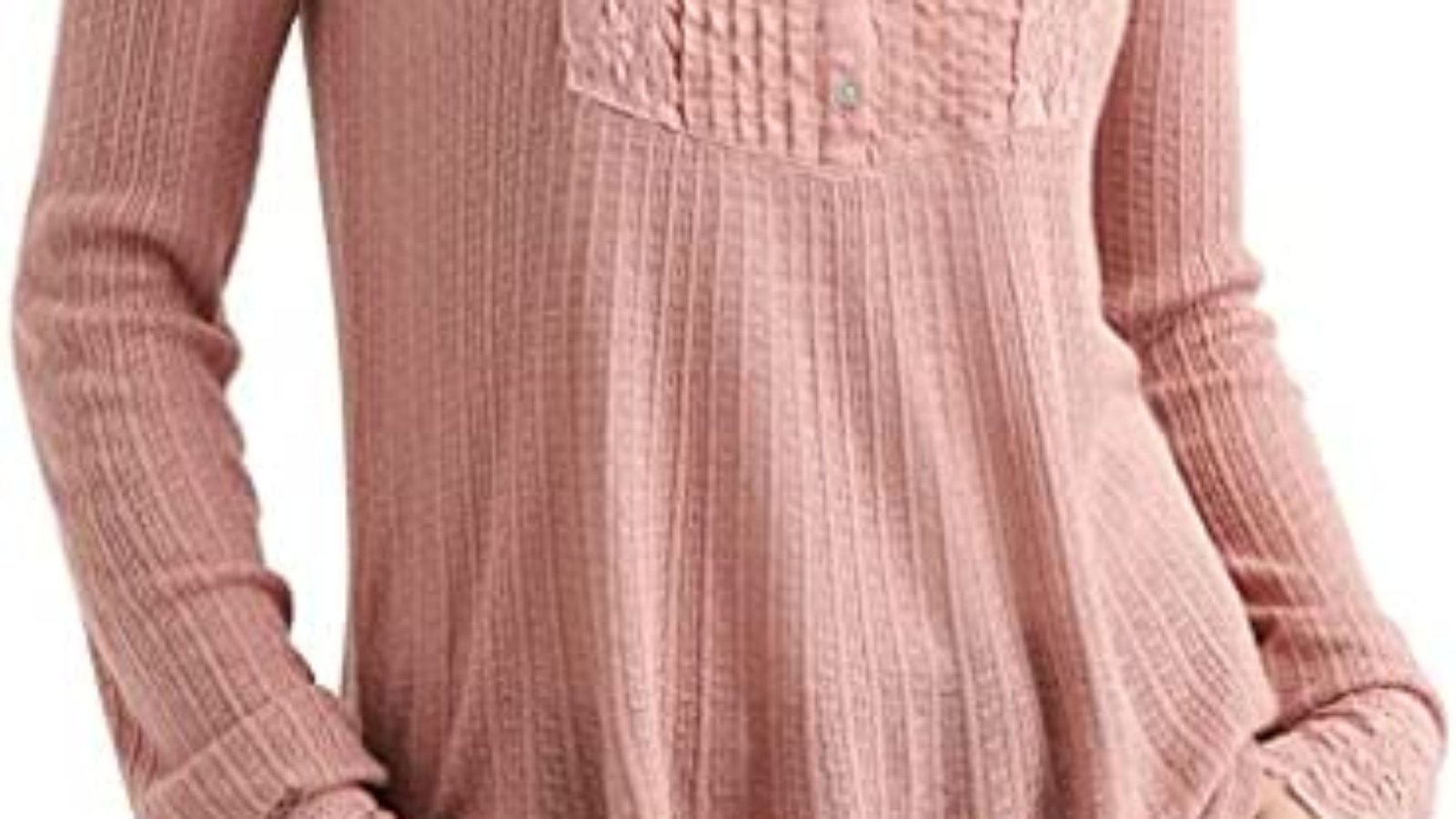
Lucky Brand Women’s Button Up Bib Peasant Top


Price: [price_with_discount]
(as of [price_update_date] – Details)


[ad_1] Long sleeve v neckline button up bib peasant top with contrast neckline detail and pintucking
Package Dimensions ‏ : ‎ 12.2 x 6.2 x 1.9 inches; 3.99 Ounces
Item model number ‏ : ‎ 7W45056
Department ‏ : ‎ Womens
Date First Available ‏ : ‎ December 15, 2018
Manufacturer ‏ : ‎ Lucky Brand
ASIN ‏ : ‎ B07G7YHX2N

Imported
Button closure
Machine Wash
Button up closure
V neckline
Contrast neckline detail

[ad_2]

Vaastu, a Science Not a Religion! A Path For Harmonious Living

[ad_1]

This science is complete in itself.

Happiness to the whole world it can bring

All the four benefits it bestows on you

Rightful living, money, fulfillment of desires and bliss

Are all available in this world itself”.

Vaastu is the ancient Indian science of architecture man-made structures and a part of the Vedas specifies the word ‘Vastu’ in Sanskrit as the earth, and in the modern context it covers all types of constructions. Vaastu pertains to the physical, psychological and spiritual order of the built environment, in consonance with the cosmic energies. It is a study of planetary influences on buildings and the people who live in them, and aims at providing guidelines for proper construction.

The ancient Hindus believed that for peace, happiness, health and wealth one should abide by the guidelines while building a dwelling. It tells us how to avoid diseases, depression and disasters by living in structures, which allow the presence of a positive cosmic field.

The layout of your residence or work place is very similar to an Horoscope. In astrology one cannot tame the baneful planets whereas the science of Vaastu prescribes that the Earth being one of the nine planets is the best approach to configure to our needs and get the best results and get beneficial results from such ill effects of the planets.

Since Vedic wisdom is considered to be synonymous with divine knowledge of the cosmic mind obtained by sages in deep states of meditation, Vaastu Shastra or the science of Vaastu is thought to contain the guidelines given by the Supreme Being.

The principles of of this wonder science had been explained in ancient Hindu scriptures. Fundamental premise of this science rests on the assumption that the earth is a living organism, out of which other living creatures and organic forms emerge, and so every particle on earth and space possesses ‘live energy’.

According to Vaastu shastra five elements – Earth, Fire, Water, Air or atmosphere and Sky or space – governs the principles of creation. These forces act for or against each other to create harmony and disharmony. It also says that everything on earth – in some form or the other – is influenced by the planets, and each of these planets guards a direction. So our dwellings are under the influence of the five elements and the nine planets.

If the structure of your house is so designed that the positive forces override the negative forces then there is a beneficial release of bio-energy, which helps you and your family members to live a happy and healthy life. A positive cosmic field prevails in a house as per the principales laid down, where the atmosphere is congenial for a smooth and happy life. Contrary to this, if the same structure is built in a manner that the negative forces override the positive, the overbearing negative field makes your actions, efforts and thoughts negative. Herein comes the benefits of Vaastu, which guides you to have a positive atmosphere at home.

Evidently, Vaastu is akin to the science of geopathy, the study of the diseases of the earth. Geopathy recognizes that electromagnetic radiations that are cosmic in origin surrounds the globe, and that radiation distortions can make a site unsafe for construction. Geopathic stress may also attack the immune system and cause health related problems.

There are also a lot of similarities between Vaastu and its Chinese counterpart Feng Shui, in that they recognize the existence of positive and negative forces (Yin and Yang) except for the fact that the latter attaches too much importance to gadgets, like flutes, mirrors etc. In Fend Shui the nine year cycle in a human beings causes a problem by shifting one to a different place which is not practicle, hence Vaastu is gaining rapid popularity in India and abroad.

Does this wonder art make any sense? While many people still strongly believe in Vaastu, the common consense is that it is an ancient science, which was useful in conditions prevailing in ancient times, but nowadays, the modern theory of Vaastu is sweeping across the Western World due to the benefits people derive from this Science of Movement and Placement.

Hence, rediscovered again the Modern Science of Vaastu came into practice in residence and industries.

[ad_2]
Source by Subir Datta

31WX62UttnL._AC_.jpg

LEE Men’s Total Freedom Stretch Relaxed Fit Flat Front Pant


Price: [price_with_discount]
(as of [price_update_date] – Details)


[ad_1] Just like our founder,  H.D. Lee, our passion is helping can-do people do more. We are committed to designing clothing that conforms to your body, allowing you to move through life freely. We help you chase the things that bring you joy and laughter. The things that make you fearless and hopefully because your passion is what makes you unique. And what moves you, moves us. Move your Lee.
Product Dimensions ‏ : ‎ 5 x 5 x 0.7 inches; 10.41 Ounces
Item model number ‏ : ‎ 42831
Department ‏ : ‎ Mens
Date First Available ‏ : ‎ September 21, 2017
Manufacturer ‏ : ‎ Lee Men’s Sportswear
ASIN ‏ : ‎ B073H5Z2PZ

Imported
Zipper closure
Machine Wash
RELAXED FIT. These mid-rise pants feature a relaxed fit through the seat and thigh with a tapered leg. These flat front pants offer a timeless look perfect for any occasion.
PERFORMANCE FABRIC. Spill your morning cup of Joe on the way in the office? It will glide right off without staining. Forget to iron last night? No need. Designed with ultra-performance stain and wrinkle-resistant fabric.
CAREFREE COMFORT. A pant that appeases your style instincts and carefree lifestyle. Built from Dual Action Twill and Spandex and a Flex2Fit waistband, these pants will move with you all day long.

[ad_2]

A Brief Background History Of Vanuatu

[ad_1]

Many people share the same fantasy of owning island property. The idea of a tropical island is alluring to almost anybody; the sand, sea and sun right outside your window, relaxing days spent by the beach and a perfect escape from the stress of modern city life. Nestled in the South Pacific between New Caledonia, Fiji and the Solomon Islands, Vanuatu offers a lifestyle less commonly led, but frequently fantasized about. You could purchase a piece of Vanuatu property for sale or even your own island for the price of a nice home in a well to do area of New Zealand or Australia. A relaxing, dream lifestyle comes a lot cheaper than you might imagine.

Vanuatu is steeped in history and unique island culture. The islands were first discovered by Europeans in 1606 but have been inhabited for four thousand years. The archipelago is comprised of over eighty islands and where more than 113 languages are spoken. Like many island cultures, the notions of property and ownership were far different to the Europeans. Land was sold or given away for use and was not something that could be owned. After 300 years, by 1960, 30% of the land in Vanuatu had been claimed by Europeans.

Both the British and French had stakes in the country. The two powers came together to rule the country under, what was called, the ‘British-French Condominium’. The condominium lasted from 1906 through to 1980. During this period Vanuatu was known as New Hebrides. During World War II the arrival of Americans would see new wealth introduced to the archipelago, which was essential to the indigenous peoples’ feelings of identity.

From the late 1960s, political movements began and political parties started to form. For the next two decades the Vanua’aku Pati party started to push for independence and in 1980 the Republic of Vanuatu was born.

After years of being a colony of the British and French, Vanuatu became an independent country and an independent people. Many French landowners left the country, compensated for land by the French government, and ownership was reverted back to the indigenous people of Vanuatu.

Getting that relaxed, laid back lifestyle is not impossible. Vanuatu is a beautiful country, with a rich culture. Whether you are looking to run a resort or just own a little place for yourself, Vanuatu is a great place for an investment. Look to Vanuatu for one of the most positive lifestyle changes you can make. Don’t just invest in a property; invest in a new way of life in Vanuatu.

[ad_2]
Source by Warren Moore

41MnzQJ6WRS._AC_.jpg

Peak Velocity Men’s Channel-Knit Performance Short Sleeve Quick-Dry Athletic-fit Run T-Shirt


Price: [price_with_discount]
(as of [price_update_date] – Details)


[ad_1] MSRP: $29.00 FIT: Fitted: A slim, athletic fit that’s trim from chest to waist FABRIC: 100% Polyester FABRIC DESCRIPTION: Channel-knit fabric uses knit-in channels to move moisture away from your body and keep you dry and comfortable STYLE DESCRIPTION: This crewneck, lightweight technical tee is engineered for unrestricted movement, all-day performance and 360 degrees of visibility
Product Dimensions ‏ : ‎ 1 x 1 x 1 inches; 3.84 Ounces
Item model number ‏ : ‎ MA38T04
Department ‏ : ‎ Mens
Date First Available ‏ : ‎ November 6, 2018
Manufacturer ‏ : ‎ Peak Velocity
ASIN ‏ : ‎ B07CLN5YJW

Imported
Machine Wash
Fitted: A slim, athletic fit that’s trim from chest to waist
Channel-knit fabric uses knit-in channels to move moisture away from your body and keep you dry and comfortable, fabric is wicking, quick-dry and UPF 20
This crewneck, lightweight technical tee is engineered for unrestricted movement, all-day performance and 360 degrees of visibility
Model is 6’2″ with a 40″ chest and is wearing a size Medium

[ad_2]

Comprehensive Insurance or Third Party Car Insurance in Dubai

[ad_1]

According to a report, there have been more than 3000 accidents reported per year in UAE which is quite terrible. Due to this rate of accidents, UAE RTA laws have become more gripping around to provide more safety to the motorists.

Today, car insurance has become mandatory in UAE. So if you do not want to lose on a large amount of Dirhams, it would be wise to spend a small amount right now in the form of your car insurance policy.

Before going further, you must peek into the scenarios in which you are eligible to claim for your car insurance in UAE

Insurance TopUp is the most affordable online insurance firm in UAE that is partnered with the best insurance providers worldwide. From providing car insurance comparison to streamlining the insurance process for you, Insurance TopUp is reliable source to trust on.

Looking for the most affordable insurance services? Get your free car insurance quote from insurance TopUp right now.

Here we have broken down the categories of vehicle insurance in UAE. We assure you that through this car insurance comparison, you would be able to pick up the most appropriate policy.

Have a look!

What is Third Party Liability (TPL) Insurance?

Starting from the most basic vehicle insurance policy, 3rd party car insurance in Dubai is the cheapest policy that you can opt for. It offers very limited services in case of an accident, this is why it is cheaper than the other one.

Under this policy coverage, your insurance company only pays for the damage that occurs to the other vehicle or property due to your negligence. Keep it in mind that it doesn’t pay for your lose. No medical expenses, no repairs, nothing else.

In case an insured vehicle causes damage to the third person, the driver may contact his insurance provider to remunerate the injury or repair expenses of the other side.

So why does people pick up this policy over the other one? The answer lies in its cost effectiveness.

Also those who are confident on their excellent diving skills mostly go for this type of policy.

Precisely quoting, if you are purchasing this policy from car insurance company in UAE, you have to pay your repair expenses from your own pocket.

If you want to enjoy some extra add-ons like fire or theft coverage, you have to pay some extra amount.

What is Comprehensive Car Insurance?

Simply put, Comprehensive car insurance covers third party car insurance plus the medical and repair expenses which are caused to your belongings as a result of an accident.

Sounds more beneficial? Yes, it is!

As it provides a wide coverage, so this policy is an expensive yet more recommended option. It is better to invest some extra Dirhams now rather than regretting over a larger financial lose later.

It covers a broad spectrum of expenses, from medical to repairs to windshield replacement, every finance comes under comprehensive car insurance in Dubai. This policy is in the driver’s favor whether the driver is at fault or in case of fire or theft, this is a go-to policy.

Fix in mind:

  • Comprehensive insurance is a necessity in case of car loan. The bank requires you to purchase it at least for the duration of the loan term in order to make your car protected. You can leverage various other benefits depending upon the bank policies.
  • Comprehensive insurance in Dubai does not cover the damages which are caused under Alcohol consumption.
  • Make sure to fully understand the clauses, terms and conditions of the policy you intend to purchase.
  • Make sure to compare vehicle insurance in UAE.

In the end, it all depends upon you that how much you are willing to pay for the policy of your choice. In order to take guidelines regarding insurance policies, feel free to contact Insurance TopUp or Just Call or WhatsApp +971565543022

We are here whenever you need us!

[ad_2]
Source by Colin Smith