
Dubai's Real Estate Market

From Burj Khalifa to Palm Jumeirah: Luxury Apartment Hotspots in Dubai

Burj Khalifa: The Pinnacle of Luxury Living

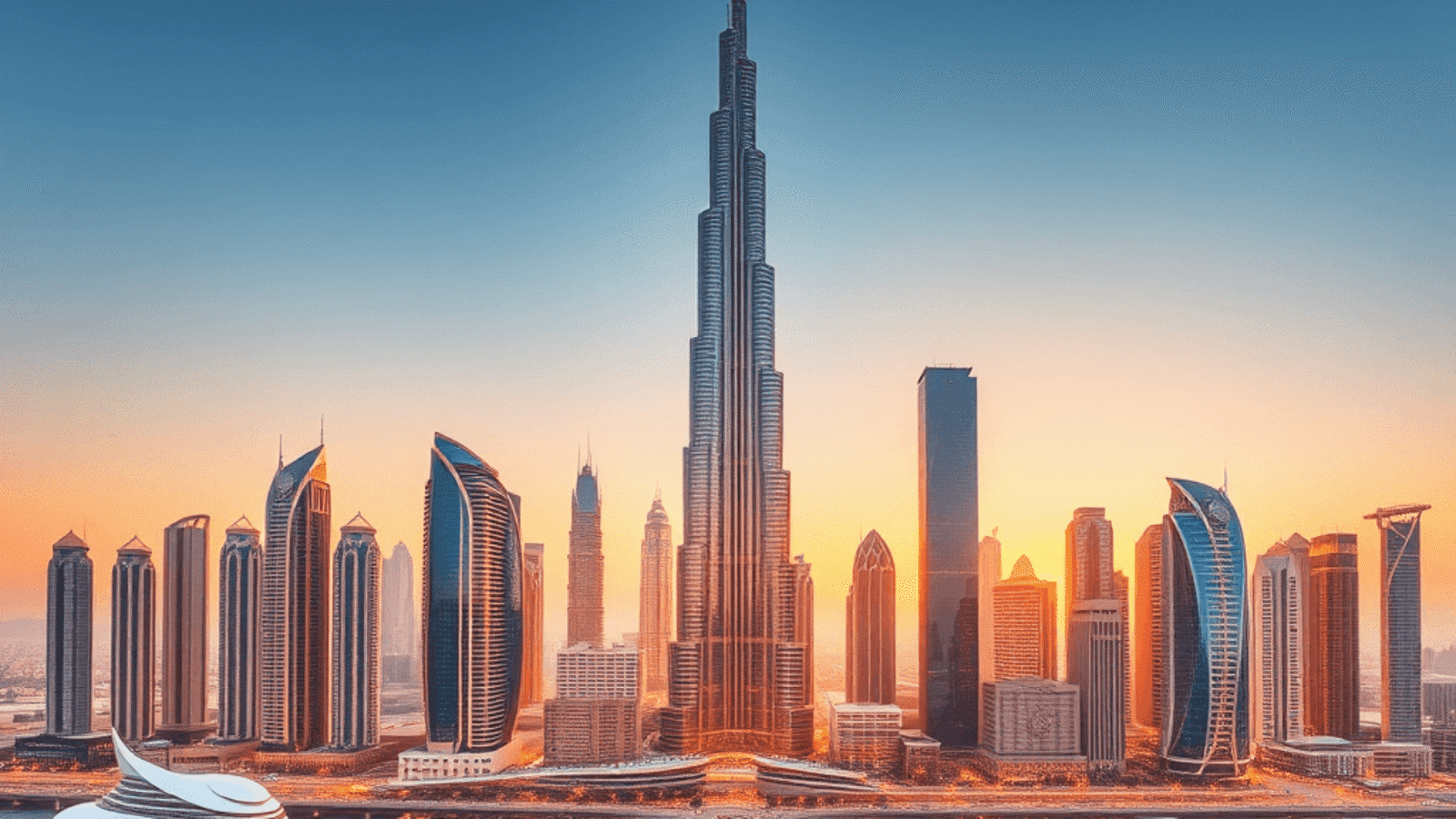
Standing tall at 828 meters, the Burj Khalifa is not just the tallest building in the world; it is a symbol of luxury and opulence. The residential apartments located on the 19th to 108th floors offer breathtaking views of the Dubai skyline and the surrounding desert. Living in one of these exclusive residences means having access to unparalleled amenities, including a state-of-the-art gym, an infinity pool, and a private lounge.

The interiors of the apartments are designed with the finest materials, showcasing a blend of modern sophistication and timeless elegance. Residents enjoy the convenience of living in the heart of Downtown Dubai, with direct access to the Dubai Mall and the Dubai Fountain. The atmosphere is vibrant, with an array of dining, shopping, and entertainment options just a stone’s throw away. It’s not just a home; it’s a lifestyle that caters to the needs of the elite.

Moreover, the Burj Khalifa hosts various luxury hotels and restaurants, further enhancing the living experience. Whether it’s enjoying a meal at Atmosphere, one of the highest restaurants in the world, or simply taking in the panoramic views from your balcony, living at the Burj Khalifa is truly a once-in-a-lifetime experience.

Palm Jumeirah: An Iconic Man-Made Marvel

The Palm Jumeirah is a remarkable feat of engineering and a testament to Dubai’s ambition. Known for its unique palm-tree shape, this island is home to some of the most luxurious apartments and villas in the city. The residences here offer stunning views of the Arabian Gulf, along with private beach access and world-class amenities.

Living on the Palm means being surrounded by luxury resorts, high-end restaurants, and vibrant nightlife. The atmosphere is relaxed yet upscale, attracting an elite crowd looking for an exclusive lifestyle. The apartments are designed to maximize space and light, featuring open floor plans, modern kitchens, and spacious balconies that provide a perfect setting for entertaining guests or enjoying serene sunsets.

The Palm Jumeirah is also home to several attractions, including the Aquaventure Waterpark and the Lost Chambers Aquarium, making it an ideal location for families. Residents can indulge in a plethora of water sports, fine dining experiences, and leisurely strolls along the boardwalk, all while being part of a community that values luxury and comfort.

Dubai Marina: A Waterfront Paradise

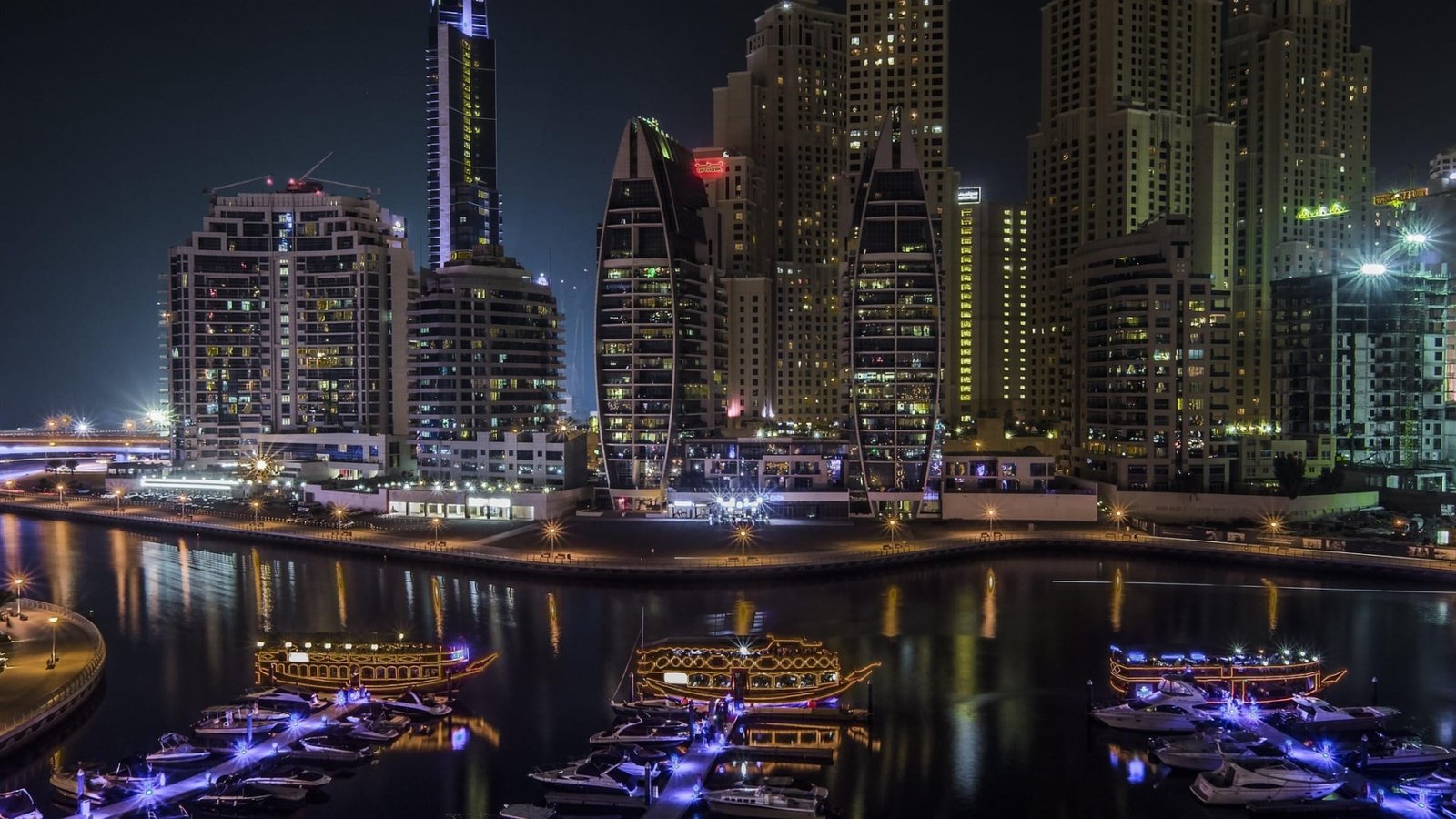
Dubai Marina is one of the most sought-after residential areas in the city, known for its stunning waterfront views and vibrant atmosphere. The marina boasts a unique blend of modern skyscrapers and a bustling promenade, offering residents an active lifestyle surrounded by luxury. The apartments here are designed with contemporary aesthetics, featuring floor-to-ceiling windows that provide breathtaking views of the marina and the Arabian Sea.

Living in Dubai Marina means having easy access to a range of amenities, including high-end dining options, boutique shops, and entertainment facilities. The marina walk is a popular destination for both residents and tourists, lined with cafes and restaurants that offer a lively atmosphere. On weekends, the area becomes a hub of activity, with residents enjoying leisurely walks, cycling, and social gatherings.

The Dubai Marina also offers a variety of recreational activities, from yacht cruises to water sports. For those who appreciate the finer things in life, the luxury lifestyle here is complemented by top-notch services, including concierge and housekeeping, ensuring that every need is catered to.

Jumeirah Beach Residence (JBR): A Beachfront Retreat

Jumeirah Beach Residence, commonly known as JBR, is another iconic destination in Dubai, offering a unique blend of beachside living and urban sophistication. The apartments here are designed to provide a resort-like experience, with many offering direct beach access and stunning views of the sea. The vibrant community atmosphere, combined with luxurious living, makes JBR a popular choice for both locals and expatriates.

Residents can enjoy a plethora of amenities, including swimming pools, gyms, and landscaped gardens. The beachfront promenade, known as The Walk, is lined with shops, cafes, and restaurants, creating a lively atmosphere that is perfect for socializing and relaxation. Living in JBR means being part of a dynamic community that embraces the beach lifestyle, with opportunities for water sports, beach volleyball, and strolls along the shore.

Furthermore, JBR hosts various events throughout the year, including markets, festivals, and cultural celebrations, adding to the vibrant community spirit. It’s a place where you can enjoy both relaxation and excitement, making it an ideal choice for those seeking a balanced lifestyle.

Downtown Dubai: The Heart of Luxury

Downtown Dubai is a bustling hub of activity, renowned for its iconic landmarks, including the Burj Khalifa and the Dubai Mall. The residential apartments in this area are designed for the discerning individual who appreciates luxury and convenience. With a mix of high-rise buildings and stylish low-rise residences, Downtown Dubai offers a range of living options to suit different tastes.

Living in Downtown means having the world at your doorstep. Residents can indulge in fine dining, high-end shopping, and cultural experiences, all within walking distance. The area is also known for its vibrant nightlife, with a variety of bars and lounges offering stunning views of the Burj Khalifa and the fountain show.

The apartments in Downtown Dubai are characterized by their modern design and luxurious finishes. Many feature spacious layouts, private balconies, and access to a range of amenities, including swimming pools, fitness centers, and concierge services. The sense of community is palpable, with residents often gathering for events and social activities, creating a dynamic atmosphere that is both welcoming and exclusive.

Dubai Hills Estate: A Green Oasis

Dubai Hills Estate offers a unique blend of luxury living and nature, making it a sought-after destination for families and individuals alike. This master-planned community is designed around a championship golf course and is surrounded by lush greenery, parks, and walking trails. The apartments and villas here are designed with a focus on sustainability and modern living, featuring spacious layouts and high-quality finishes.

Residents of Dubai Hills Estate enjoy a serene environment while still being connected to the vibrant city life. The community offers a range of amenities, including schools, healthcare facilities, and retail options, ensuring that all necessities are within reach. The focus on family-friendly living makes it an ideal choice for those seeking a balanced lifestyle.

With its emphasis on outdoor living, Dubai Hills Estate provides plenty of opportunities for recreation and relaxation. From picnics in the park to rounds of golf, residents can enjoy an active lifestyle while being surrounded by nature. The community also hosts various events and activities, fostering a sense of belonging among residents.

Arabian Ranches: A Taste of Tranquility

For those looking for a quieter, suburban lifestyle, Arabian Ranches offers a luxurious escape from the hustle and bustle of city life. This gated community is known for its spacious villas and townhouses set amidst beautiful landscaping and greenery. The residences are designed with a traditional Arabian aesthetic, providing a unique charm that sets them apart from other luxury developments in Dubai.

Living in Arabian Ranches means enjoying a peaceful environment while still being within easy reach of the city. The community features a range of amenities, including schools, shopping centers, and recreational facilities, making it an ideal choice for families. Residents can enjoy outdoor activities such as horseback riding, cycling, and jogging on the many trails available.

The sense of community in Arabian Ranches is strong, with numerous events and gatherings organized throughout the year. From family fun days to festive celebrations, residents have plenty of opportunities to connect with their neighbors and create lasting memories. The tranquility of the surroundings, combined with the luxury of the residences, makes Arabian Ranches a desirable destination for those seeking a serene lifestyle.

Each of these luxury apartment hotspots in Dubai offers its unique charm and amenities, catering to a diverse range of tastes and lifestyles. Whether you’re drawn to the iconic skyline of Burj Khalifa, the beachfront allure of JBR, or the serene environment of Arabian Ranches, Dubai has something to offer everyone seeking a luxurious living experience.

Luxury villas in Dubai represent a unique blend of opulence and privacy, attracting discerning buyers and renters alike. High-Rise Apartments

Luxury Villas vs. High-Rise Apartments: What’s Hot in Dubai

The Allure of Luxury Villas in Dubai

Luxury villas in Dubai represent a unique blend of opulence and privacy, attracting discerning buyers and renters alike. These villas are often situated in exclusive communities, such as Palm Jumeirah, Emirates Hills, and Jumeirah Golf Estates, where lush landscapes and breathtaking views are the norm. Each villa is a testament to architectural brilliance, featuring expansive living spaces, private pools, and state-of-the-art amenities.

What truly sets luxury villas apart is the sense of seclusion they provide. Residents can enjoy their private gardens, outdoor entertaining areas, and spacious interiors without the hustle and bustle of city life encroaching on their serenity. Families often find that the additional space and privacy offered by villas foster a lifestyle that is both comfortable and lavish. Many villas also come with smart home technology, allowing residents to control everything from lighting to climate at the touch of a button.

Moreover, the allure of luxury living in a villa extends beyond just the physical space. Many of these properties are located in neighborhoods that offer a sense of community and exclusivity. Residents often enjoy access to private beaches, golf courses, and high-end retail options, all within a short drive. The cultural aspect is also significant; many villa communities host events and activities that promote social engagement among residents, creating a vibrant lifestyle that is hard to replicate.

The Appeal of High-Rise Apartments

On the other end of the spectrum lies the high-rise apartment scene in Dubai. These towering edifices, especially those in areas like Downtown Dubai and Dubai Marina, have become synonymous with luxury urban living. High-rise apartments offer stunning views of the iconic skyline, and many feature floor-to-ceiling windows that maximize natural light and panoramic vistas.

Living in a high-rise apartment means being at the center of the action. Residents have immediate access to world-class dining, shopping, and entertainment options. The convenience of having everything within walking distance can be incredibly appealing, especially for young professionals and couples who thrive in a vibrant city environment. High-rise buildings often come with a range of amenities, such as rooftop pools, fitness centers, and concierge services, enhancing the overall living experience.

In addition, high-rise apartments are increasingly designed with sustainability in mind. Many new developments include energy-efficient systems, green spaces, and facilities for electric vehicle charging. This focus on sustainability appeals to a growing demographic of environmentally conscious residents, making high-rise living not just a lifestyle choice but also an ethical one.

Comparing Space and Privacy

When it comes to space, luxury villas generally offer more. With larger square footage, private gardens, and space for outdoor activities, villas cater to families or individuals who prioritize having room to breathe. The layout of a villa allows for more customization, giving owners the freedom to design their space according to personal tastes.

Conversely, high-rise apartments typically have limited space, which can be a drawback for those who prefer a more expansive living environment. However, many high-rise developments maximize their square footage through innovative designs, such as open floor plans and multipurpose rooms. Additionally, residents of high-rises can enjoy communal spaces that are often more extensive than what a villa might offer, such as lounges, terraces, and event spaces.

Privacy is another crucial factor to consider. Villas inherently provide a greater degree of privacy, as each property is usually separated by walls and landscaping. This makes them ideal for those who wish to retreat from the public eye. High-rise apartments, while often secure, can feel more communal. Shared entrances and common areas mean that residents may have less privacy, particularly if they live in a busy building.

Investment Potential

From an investment perspective, both luxury villas and high-rise apartments in Dubai have their advantages. Villas often see consistent demand due to their limited supply and the allure of private living. They can also command higher rental prices, particularly in sought-after neighborhoods. Investors may find that luxury villas provide a stable long-term investment, especially as Dubai’s population continues to grow and demand for family-oriented housing increases.

High-rise apartments, on the other hand, may offer quicker returns on investment due to their central locations. The ease of renting out an apartment in a bustling area can lead to higher occupancy rates, making them an attractive option for real estate investors. Additionally, the increasing trend of urbanization and the preference for low-maintenance living among younger generations suggest that high-rise apartments will remain in demand.

However, the investment landscape is ever-changing. Factors such as market trends, governmental regulations, and economic conditions can influence the desirability of either property type. Investors must conduct thorough research and consider their individual goals before diving into either market.

Lifestyle Considerations

Choosing between a luxury villa and a high-rise apartment ultimately boils down to lifestyle preferences. Those who enjoy the tranquility of suburban living, with family-friendly amenities and outdoor spaces, may gravitate towards villas. The ability to host gatherings in a spacious backyard or enjoy a quiet evening by the pool can be alluring for families and individuals seeking a more relaxed lifestyle.

In contrast, urban dwellers who thrive on convenience and the excitement of city life may find high-rise apartments to be more appealing. Being close to work, social hotspots, and cultural attractions can be a significant advantage. Furthermore, high-rises often have a vibrant community atmosphere, allowing residents to meet new people and engage in various activities, from fitness classes to rooftop parties.

Additionally, the choice between a villa and an apartment can impact daily routines. Villas may require more maintenance, from landscaping to pool upkeep, which can be a consideration for busy professionals. High-rises typically offer a more hands-off approach to living, with maintenance services often included within the building management, allowing residents to focus on their careers and social lives.

Final Thoughts on Luxury Living in Dubai

As Dubai continues to evolve as a global city, the debate between luxury villas and high-rise apartments remains a hot topic among potential buyers and renters. Each option has its unique set of advantages, appealing to different lifestyles, preferences, and investment strategies. Whether one finds solace in the expansive grounds of a villa or the convenience and excitement of a high-rise apartment, Dubai offers a diverse range of luxury living options that cater to every taste. Ultimately, the choice lies in what type of lifestyle resonates most with the individual, making Dubai a truly dynamic market for luxury real estate.

Digital marketing encompasses a wide range of strategies and tactics that businesses use to connect with their audience online.

Digital Marketing

Understanding Digital Marketing

Digital marketing encompasses a wide range of strategies and tactics that businesses use to connect with their audience online. At its core, it leverages the internet and electronic devices to promote products and services. In today’s world, where people are constantly connected through smartphones, tablets, and computers, digital marketing has become an essential part of any successful business strategy.

The primary objective of digital marketing is to engage with potential customers at various touchpoints along their journey. This involves understanding consumer behavior, preferences, and trends, allowing marketers to tailor their messages and campaigns effectively. As more businesses shift their focus to online platforms, digital marketing has grown in complexity and importance, becoming a fundamental component of modern commerce.

The Components of Digital Marketing

Digital marketing is not a one-size-fits-all solution; it consists of various components that work together to create a cohesive strategy. These components can be categorized into several key areas: search engine optimization (SEO), content marketing, social media marketing, email marketing, and pay-per-click (PPC) advertising, among others.

SEO is the practice of optimizing a website to improve its ranking on search engines like Google. This involves keyword research, on-page optimization, link building, and ensuring that the website is user-friendly. A well-optimized site can attract organic traffic, making it a vital part of any digital marketing strategy.

Content marketing focuses on creating valuable, relevant content that attracts and engages a target audience. This can include blog posts, videos, infographics, and podcasts. The goal is to provide information that resonates with potential customers, ultimately leading to conversions.

Social media marketing involves leveraging platforms like Facebook, Instagram, Twitter, and LinkedIn to connect with audiences. It allows brands to share their stories, engage with followers, and promote their products or services in a more personal and interactive manner. Effective social media marketing requires understanding the nuances of each platform and tailoring content accordingly.

Email marketing remains one of the most effective digital marketing channels, allowing businesses to communicate directly with customers. It involves sending newsletters, promotional offers, or personalized messages to subscribers. The key to successful email marketing is to provide value and avoid overwhelming recipients with excessive emails.

PPC advertising is a model where advertisers pay a fee each time their ad is clicked. This approach allows businesses to gain visibility on search engines and social media platforms quickly. With proper targeting and optimization, PPC can yield significant returns on investment.

The Importance of Data Analytics

One of the most significant advantages of digital marketing is the ability to track and analyze data. Businesses can gain insights into customer behavior, preferences, and engagement levels through various analytics tools. This data-driven approach enables marketers to make informed decisions about their strategies, optimizing campaigns for better results.

Data analytics helps identify which channels are performing well and which need improvement. For instance, if a company notices that its email open rates are low, it can experiment with different subject lines or send times to enhance engagement. Similarly, tracking website traffic can reveal which content resonates with visitors, guiding future content creation efforts.

Moreover, data analytics allows for segmentation and personalization, tailoring marketing messages to specific audience groups. By understanding the demographics, interests, and behaviors of their audience, businesses can create targeted campaigns that speak directly to their customers’ needs and desires.

Building an Effective Digital Marketing Strategy

Creating a successful digital marketing strategy involves several steps. First and foremost, businesses must define their goals. Whether it’s increasing brand awareness, generating leads, or driving sales, having clear objectives is essential for measuring success.

Next, businesses should identify their target audience. Understanding who the ideal customers are—demographics, interests, and online behavior—helps tailor marketing efforts more effectively. This information can be gathered through market research, surveys, and analysis of existing customer data.

Once the audience is identified, businesses can choose the appropriate digital marketing channels. Each channel has its strengths and weaknesses, so selecting the right mix is crucial. For instance, a visually-driven brand may benefit from platforms like Instagram or Pinterest, while a B2B company might find LinkedIn more effective.

After selecting the channels, it’s time to create compelling content. The content should be valuable, engaging, and aligned with the overall brand message. Regularly updating content keeps the audience interested and can improve SEO rankings.

Lastly, ongoing monitoring and optimization are vital. Digital marketing is not a set-it-and-forget-it endeavor. Regularly analyzing performance metrics and making adjustments based on data ensures that campaigns remain effective and relevant.

The Role of Social Media in Digital Marketing

Social media platforms have transformed the landscape of digital marketing. They provide businesses with a unique opportunity to interact directly with their audience, build relationships, and foster brand loyalty. Unlike traditional marketing channels, social media allows for real-time engagement and feedback, making it a powerful tool for businesses.

One of the key benefits of social media marketing is its potential for virality. A single post can reach thousands, if not millions, of users if it resonates with the audience and is shared widely. This organic reach can significantly amplify brand visibility without the need for substantial advertising budgets.

Additionally, social media platforms offer advanced targeting options for paid advertising. Businesses can tailor their ads based on factors such as age, location, interests, and behaviors, ensuring that their messages reach the most relevant audience. This precision increases the likelihood of conversions and enhances the overall effectiveness of marketing campaigns.

Engaging with followers through comments, messages, and shares creates a sense of community around a brand. When customers feel connected and valued, they are more likely to become loyal advocates, promoting the brand to their networks.

The Future of Digital Marketing

As technology continues to evolve, so does the field of digital marketing. Trends like artificial intelligence (AI), voice search, and augmented reality (AR) are shaping the future of how businesses connect with their audience. AI, for instance, is being used to analyze consumer behavior and automate personalized marketing efforts, allowing for more efficient targeting and messaging.

Voice search is becoming increasingly popular with the rise of smart speakers and voice-activated devices. Businesses must adapt their SEO strategies to account for this shift, optimizing for conversational queries and long-tail keywords.

Augmented reality offers exciting possibilities for enhancing customer experiences. Brands can create interactive ads that allow customers to visualize products in their environments, making the shopping experience more immersive and engaging.

Staying ahead of these trends is crucial for businesses that want to remain competitive in the digital landscape. Continuous learning and adaptation will be key as marketers navigate the complexities of new technologies and consumer expectations.

Conclusion

Digital marketing is a dynamic and ever-evolving field that offers businesses immense opportunities for growth and engagement. By understanding its components, leveraging data analytics, and building effective strategies, businesses can connect with their audience in meaningful ways. As technology advances, embracing new trends and adapting to changing consumer behaviors will be vital for success in the digital age.

The evolution from traditional villas to modern luxury apartments

The Rise of Luxury Apartments in Dubai: Trends and Insights

The Evolution of Luxury Living in Dubai

Dubai has always been synonymous with opulence and grandeur, but the past decade has seen an extraordinary transformation in its real estate landscape, particularly concerning luxury apartments. The city’s skyline is now dotted with stunning high-rises that redefine architectural beauty and set new standards in luxury living. The evolution from traditional villas to modern luxury apartments marks a significant shift in how residents view urban living in this vibrant city.

The allure of luxury apartments lies in their sophisticated designs, prime locations, and unparalleled amenities. Developers have recognized the growing demand for high-end living spaces and have responded by creating properties that cater to affluent individuals and families looking for convenience and comfort. This shift has contributed to a surge in luxury apartment developments, particularly in areas like Dubai Marina, Downtown Dubai, and Palm Jumeirah.

The Shift in Consumer Preferences

One of the driving forces behind the rise of luxury apartments is the changing preferences of consumers. Today’s buyers are not just looking for a place to live; they seek a lifestyle that embodies luxury, convenience, and exclusivity. Many affluent individuals prefer the low-maintenance lifestyle that luxury apartments offer, as opposed to the responsibilities associated with villa ownership.

Additionally, the increasing trend of remote work has led many people to reassess their living situations. With more flexibility in where they can work, many expatriates and wealthy locals are opting for upscale apartments that provide not only luxurious living spaces but also proximity to business hubs, leisure activities, and cultural attractions. This trend has made Dubai an attractive destination for international investors and expatriates seeking a cosmopolitan lifestyle.

The Impact of Tourism and Expatriate Population

Dubai’s status as a global tourism hub has significantly influenced its luxury real estate market. The influx of tourists and expatriates is a testament to the city’s appeal, creating a robust demand for luxury accommodations. High-net-worth individuals often look for rental properties in luxury apartments while they are in the city, further driving the market.

Moreover, the diverse expatriate population in Dubai has led to a demand for luxury apartments that cater to various tastes and preferences. Developers have recognized this need and have started creating unique living spaces that resonate with different cultures. This multicultural approach not only enhances the attractiveness of luxury apartments but also fosters a sense of community among residents.

Architectural Innovations and Design Trends

The architectural landscape of Dubai’s luxury apartments is nothing short of breathtaking. Innovative designs, advanced technologies, and sustainable practices are at the forefront of development. Architects are pushing boundaries, creating structures that are not only visually stunning but also environmentally friendly and energy-efficient.

Trends such as biophilic design, which incorporates natural elements into living spaces, have gained popularity. Developers are integrating green spaces, terraces, and gardens into their designs, allowing residents to connect with nature while enjoying urban living. Additionally, smart home technology has become a standard feature in luxury apartments, providing residents with seamless control over their living environments through advanced automation systems.

Prime Locations and Their Appeal

The location of luxury apartments is a crucial factor influencing their desirability. Dubai’s prime areas, such as Downtown Dubai and Dubai Marina, offer residents breathtaking views, proximity to iconic landmarks, and easy access to world-class shopping and dining experiences. Living in these locations enhances the lifestyle of residents, making luxury apartments highly sought after.

The Palm Jumeirah, with its unique island setting, is another prime location that epitomizes luxury living. Residents can enjoy exclusive beachfront access, private marinas, and an array of upscale amenities. These prime locations not only provide a luxurious lifestyle but also solidify the investment value of the properties, as demand continues to grow.

Amenities That Define Luxury Living

Luxury apartments in Dubai are characterized by their exceptional amenities, which elevate the living experience to new heights. Developers are going above and beyond to provide residents with an extensive range of facilities that cater to their every need. From infinity pools and state-of-the-art gyms to private cinemas and wellness centres, the list of amenities is impressive.

Moreover, many luxury apartments offer concierge services that enhance convenience for residents. Whether it’s arranging transportation, booking reservations at exclusive restaurants, or organizing personal services, these offerings add a layer of sophistication to everyday living. This attention to detail in amenities is a key factor that distinguishes luxury apartments from traditional housing options.

The Role of Investment and Real Estate Trends

The luxury apartment market in Dubai has become a hotspot for real estate investment, attracting both local and international buyers. The city’s favourable tax environment, along with its status as a global business hub, has made it an appealing destination for investors seeking high returns. Luxury apartments, in particular, have shown resilience even during economic fluctuations, making them a sound investment choice.

Real estate developers are increasingly focusing on high-end projects that promise exclusivity and luxury, tapping into the growing demand from affluent buyers. The competitive nature of the market has led to innovative marketing strategies, with developers showcasing their properties through immersive virtual tours and high-quality visual content.

The Future of Luxury Apartments in Dubai

As Dubai continues to evolve, the future of luxury apartments looks promising. With ongoing developments, the city is set to enhance its reputation as a global luxury destination. Sustainability and technology will play pivotal roles in shaping the next wave of luxury living, as developers aim to create spaces that are both luxurious, environmentally conscious, and technologically advanced.

The demand for luxury apartments is expected to persist, driven by a combination of local and international factors. As more people recognize the unique lifestyle opportunities that Dubai offers, the luxury real estate market will likely continue to thrive. Embracing innovation, sustainability, and community engagement will be essential in maintaining the allure of luxury living in this dynamic city.

In summary, the rise of luxury apartments in Dubai reflects broader trends in urban living, consumer preferences, and investment opportunities. As the city continues to attract a diverse population of affluent residents and investors, the luxury apartment market will remain at the forefront of real estate development, promising a vibrant and luxurious lifestyle for years to come.

Investing in Rental Real Estate

[ad_1]

It’s interesting how rental real estate gets treated as an investment. Like Rodney Dangerfield, it gets no respect. While conventional investments like stocks and bonds get the Financial Post and the Wall Street Journal, do a search on “how to purchase real estate” and you’ll discover all kinds of no-money down schemes that seem designed to sell books and tapes instead of investment real estate. On TV there is Report on Business TV, but for real estate you’ll see flipping shows or infomercials. It strikes me as pitiful that such a solid investment vehicle gets such a bad reputation.

It is possible to buy with no money down, but it involves arranging a high ratio mortgage, and for rental property you only do that if you have equity in other properties. In other words, if you’ve got one property free and clear its relatively easy to arrange a line of credit at prime. A $100,000 property would cost about $400 per month, plus taxes and maintenance of about $200. In short, it would carry itself and give you income to pay the financing costs.

A more common method to buy income real estate is with a deposit. Usually is you can make investment property itself with less than 40% down its probably a good deal. These kinds of properties are easier to come across in stable markets.

There are lots of reasons to own investment real estate.

Reason #1 to own income real estate is because your renters buy it for you. Even if the other benefits didn’t accrue, that on it’s own justifies the investment. But the fact is, there are more benefits to buying rental property

Reason #2 is leverage. The most effective description of how leverage works comes from the book Buy, Rent, Sell, by Lionel Needleman (Needleman is not a fast talker; in fact, he’s an accomplished author and professor with many published books and articles on housing in Great Britain and Canada. His assumptions and math is a bit simplistic, and need to be tweaked for your local market, but the book is worth looking at).

He explains leverage in the following manner: John and Mary each buy a property $100,000. After a year both houses have increased 10% in value. Both buyers sell the properties and compare the profits.

John began with $100,000, and now has $110,000, which means he has earned a 10% return on his investment. Mary, on the other hand, put $10,000 down on her property, and mortgaged the balance for$90,000. When she sells she clears off the mortgage and totals everything. She also received a $10,000 profit, but since she only invested $10,000 in the income property, she’s made a 100% return on her down payment. As you may suspect, the real kicker is that while John invested in one house, kept it for a year and then sold it with a $10,000 profit, Mary acquired 10 houses, kept them one year, and then sold them for a $100,000 profit. Both started out with $100,000, but after a year John has only got $110,000 while Mary $90,000 more. The numbers are simplified in this example, but they decisively demonstrate the magic of leverage.

Reason #3 is taxes. In most tax zones costs incurred on investment real estate is comes off income. And, you can generally incur depreciation expense on the structure that in effect are paper losses that reduce the tax burden. Depreciation works like this: we know that the value of a durable item, like a structure, decreases with the years. Even if the property is maintained perfectly, an old house is not worth the same amount of money as a new house. This loss is depreciation, and you can use that depreciation loss to decrease the total tax payable.

Of course, when we invest in income property we expect that it will go up in price, and over the long run it often does. What occurs with the depreciation in that case? The tax collector was told the property fell in price through depreciation, but at the end of the process we sold at a profit. The taxman usually says that you’ve “re-captured” the depreciation and levy tax.

Re-capture is no fun. It’s like discovering that you’ve already spent the money that you intended on spending in the future.

There is a great solution. When you buy the investment you cut up the original investment between the building value and the property value. Without cheating you set the value of the land as low as possible and the structure as high as reasonable (do the math and you’ll see it pays to be reasonable on your splits). When the property goes up in price and you liquidate, you tell the taxman that you didn’t recapture any depreciation since the structure did depreciate, while the land increased in value. This profit is capital gain, and capital gain is usually taxed at lower rates than income like…rent. You depreciate the money you make when you earn it as rent, and pay tax on it when it comes from capital gain.

Owning income producing property also enables you to write off the costs of things that you might have bought anyway, from office supplies to a trip to see the property.

Reason #4 is capital gain. Capital gain doesn’t always happen, but it often does. As we’ve seen with leverage, the capital gain can be leveraged. Even better, the capital gain can, sometimes, be greater than what some folks earn in a year of work.

Reason #5 puts everything together by combining cash flow, leverage, and tax planning. Rental real estate generate cash flow. Initially the cash flow could be neutral or even negative, but after some time it will often becomes positive. When it does you need to pay income tax on the excess rent. The solution for that is to re-mortgage and incur additional interest cost, reducing your taxes. You also re-leverage your initial property. The next step is to take that money and buy another income property. You pay no income tax, incur more depreciation, and still earn a capital gain. Better yet, with two properties you spread the risk, and when the time comes to sell you can stretch out the timeline and sell the properties in different years to minimize tax.

It can’t be repeated enough that you need to buy income property wisely. You need to know the location and the potential tenant. Properties that are desirable and are in a desirable area stay rented. “Desirable” doesn’t have to be “mansion”, but warm, clean, dry and well priced are critical. Whether you buy a 1 bedroom apartment or a three bedroom house with a suite isn’t important.

Metrics are critical. The first is price-to-rent ratio. What that means is that you take the price, say $100,000, and divide the rent, say $1000/month, into that. In this case the result would be 100. Numbers between 75 and 175 are great, but never forget that projected capital gains and interest rates impact what numbers you go with. Low interest rates permit higher numbers, and solid capital gain projections will demand higher numbers. Over 200 is no good in almost every location unless all you need is dependable income, aren’t concerned about capital gain or don’t ever plan to sell.

Another excellent metric is the break even rate. This is the percentage of the price need for a down payment to allow the realistic rent to carry the property. The rent has to be a) market rent, not “hoped for” rent, and b) net rent, not gross rent. If the investment will carry at less than 45% down its worth looking at. Clearly, if interest rates are low the net rent will carry more, meaning the break even rate can be high. Remember that low rates don’t last forever, so unless you can lock in very long term you have to assume that the break even rate to be low in low interest rate environments, and can be higher in higher interest rate environments.

If you discover a piece of property that has a desirable price to rent ratio and a desirable break even rate (and is in a good area and isn’t a bad idea), its worth throwing the numbers onto a spreadsheet and determining the internal rate of return (a real estate investment metric that combines various income streams) and projected cash on sale. There are spreadsheets and programs that can calculate this for you, but the key is “GIGO” – garbage in, garbage out. Use correct taxes, the correct interest rates, your projections of income tax rate, and realistic estimates of capital gain and maintenance. Properties in bustling urban areas generally go up in value more than properties in rural or depressed locales. They also often have what seem to be inferior metrics – a downtown city condo could have a much worse price to rent and break even point than small house in a mill town. However, capital appreciation in a rural area is likely much riskier. Measuring mortgage pay down and tax benefits on a detailed spreadsheet let’s you fairly evaluate exactly how competing investments compare.

It would be foolish to ignore the issue of a property bubble, or crash. Buying on metrics both helps and hinders. It helps because if you are hard-nosed with break even rates and rent multipliers you wouldn’t purchase overpriced investment property (underpriced income property doesn’t really turn up in a bubble, and it doesn’t crash in value). It hinders because you can’t buy on metrics in a bubble, no matter how much you want to, because metric compliant properties don’t exist.

The other side of this is that when a market crashes there are lots of metric compliant properties, but often little mortgage financing and plenty of scared buyers and stressed sellers.

All in all, a balanced market is the optimum for purchasers, although buyers who acquire on metrics and exit the market near the peak often feel like they’ve hit the jackpot.

[ad_2]

Source by Rob Chipman

Essential Real Estate Agent Qualities: Integrity, And Fiduciary Responsibilities

[ad_1]

In many areas/ regions of this country, a homeowner, has many choices, in terms of selecting, the right, real estate agent, to serve his best interests, etc. Obviously, since for most of us, our house represents our single – largest financial asset, and this decision, may have a strong impact, on the potential results, one should take this process, extremely seriously, and take the time, and effort, to ensure, selecting the best representation, for your purposes. While, it might be possible, to effectively, train, and develop, agents, so they learn the necessary skills, etc, and, a motivated individual, via a combination of skills, and developed judgment/ wisdom, one’s basic quality of character, must be strongly considered, because while anyone might be able to handle the other needed actions, etc, only the rare person, will maintain absolute integrity, especially when an easier path, might be available. This must also include, that individually, seriously commit, to their legal and ethical responsibility, and duty, to honor, and protect, his client’s fiduciary privacy, etc. With that in mind, this article will attempt to briefly, consider, review, and discuss, some of what, this encompasses.

1. What are some of an agent’s fiduciary responsibilities?: Real estate agents, are, legally and ethically, bound, to honor and protect, his client’s financial information, and anything, which might affect, and impact, their potential results! For example, while the homeowner, might have personal reasons, which might direct him, towards needing to sell his house, such as financial reversals, etc, letting potential home buyers, know these, might result in these individuals, seeking better terms, including lower offers, etc. In addition, for example, if, your client, has already committed to purchasing a new home, and selling the existing one, is needed, for completing that transaction, disclosing this confidential information, potentially, might be detrimental to your client. Since real estate agents, get paid on a commission – basis, and only are compensated, after a successful transaction, some might be tempted to take some short – cuts, and might disclose certain information, believing it may, create offers. Understand, doing so, is neither legal or ethical, but, the reality is, it is sometimes, done, anyway!

2. Integrity and disclosure: One must balance their allegiance to their client, with their legal obligation, to disclose any material issues/ faults, which might affect any potential buyer! No one should proceed, with anything less than absolute integrity, while balancing this, with the duties and responsibilities, he owes, to his client.

Carefully select the real estate agent, you will hire, based on many factors, but, listen carefully, and closely examine, the individual’s essential quality of character! You owe it, to yourself, to receive the finest representation!

[ad_2]

Source by Richard Brody

4 Options To Purchase Investment Real Estate Purchases

[ad_1]

When, someone, decides, he’s ready, and prepared, to invest in real estate, for investment purposes, he must do his homework, and know/ understand, his options, in terms of investing in these types of properties. While investment real estate, often, is a superb investment, this is only the case, when the property is the correct one, and a well – considered, evaluation is done, and one is properly prepared, to consider the best way, to fund these purchases. The process must begin with, doing a thorough, financial analysis, and feasibility study, to consider, revenue flow, costs/ expenditures, and, whether, the purchase, makes sense. Once, this is carefully done and performed, one must consider, how he will fund the transaction. With that in mind, this article will attempt to, briefly, consider, examine, review, and discuss, 4 possible options, to fund commercial real estate purchases.

1. Conventional loans: Begin your analysis, and review, by considering conventional loans, and whether, this way, makes sense, for you, and your needs/ requirements! A conventional/ traditional loan, generally offered, by a bank, or other lending institution, requires significant collateral, and other assurances, to qualify. It also requires a down – payment, often, approximately, 25%. One’s overall, credit rating, must be, at a level, which will generate the finest offers, etc.

2. Get funds from contacts/ investors, etc: Sometimes, the best course, is to seek partners, or shareholders, in order to get the necessary funding. Doing so, often, reduces your personal risk, but, also limits the upper – end, possibility! In addition, it requires, putting together, a legally, drawn – up, agreement, etc. This is often, attractive, when one doesn’t have the personal funds, or can’t put together, the necessary, down – payment.

3. Combination: Sometimes, the best course of action, for someone, may be using some sort of combination, of the two methods, listed above. Perhaps, using a conventional approach, for much of the funding, and attracting investors, to, either minimize risk, or create the ability to have the necessary degree of reserves, associated with managing these types of properties, might makes sense, to some.

4. Partnership; limited partnership; corporation; Real Estate Investment Trust (REIT): If you don’t want to, or are unable to do this, on your own, a partnership, limited partnership, or corporation, might make the most sense. However, if you aren’t prepared for quality analysis of choosing the right property, or would rather, be more diversified, a Real Estate Investment Property (or, REIT), might make sense, because, if you select, the right, General Partner, and experienced, expert advisers, you will be able to invest in real estate, in a similar manner, to investing in a Mutual Fund.

If you want to invest in investment real estate, do so, wisely, and be prepared, for making the wisest, possible decisions! Understanding, financing options, etc, positions you, to make the best decision, for you!

[ad_2]

Source by Richard Brody

Real Estate Property Investment Series: Focus Ghana 2007

[ad_1]

Ghana’s property market is a direct reflection of the state of the West African nation itself in that it is emerging, developing, has immense potential but is restricted by serious fundamental issues relating to issues such as poor land title registration transparency and lack of affordable home financing solutions locally.

The best approach to take with Ghana is to line up all the negatives, knock them down with proof that the government and additional external bodies and agencies are tackling these issues head on and then identify the amazing potential available in Ghana for property investors from 2007 onwards…in this way an investor can determine whether 2007 is the year for them to begin their due diligence in Ghana for long term capital appreciating investment opportunities.

Current Issues Facing Ghana’s Property Market

The current issues facing Ghana’s property market include the fact that those buying resale land and property often buy litigation rather than land title because there is no decent system in place for the registration of title deeds and transfers and because the conveyancing system lacks transparency.

In addition to this the level of tourism growth in Ghana is not sufficient for the tourism economy to become an attractive sector for foreign direct investment at the moment. Furthermore there are problems in the main cities with homelessness and even those with a desire to own their own homes and who have a decent salary with which to afford a home loan have limited and restricted access to mortgages in Ghana.

Efforts Underway to Improve the Real Estate Marketplace in Ghana

The current government in Ghana inherited the situation as detailed above but are 100% focused on changing these issues and developing a nation of middle income home owners. To that end they have started numerous programs and schemes such as a program to attract greater foreign direct investment. The government is also working in partnership with the likes of Canada Mortgage and Housing Corporation and Development International Desjardins to develop regulatory reforms in the mortgage market and they have brought American based Broad Cove Partners Inc in which is an emerging market financial advisory firm and which is now developing a new USD 30 million long term property finance facility to assist with affordable housing and mortgage finance in Ghana.

In 2007 a new program to register every house on every street in Ghana will get underway to begin solving the land title issues and on the tourism side of things the Ghana Tourist Board has been active under the Acting Executive Director Martin Mireku. So far Mr. Mireku has brought Delta Airlines and North American Airlines to Ghana with multiple direct flights between Accra (the capital of Ghana) and the likes of New York every week and there is a strong campaign underway for these airlines and other international tourism representatives with interests in Ghana to promote the attractiveness and potential of the nation to the wider world.

A property investor looking at whether Ghana is a viable option for portfolio expansion purposes needs to understand that every issue that exists to restrict the attractiveness of the property market in Ghana is being addressed by the government or external agencies and that this proves their intense commitment to the improvement of their nation, the boosting of their economy, the raising of living standards of its people and the establishment of a sustainable source of foreign direct investment into the likes of tourism and real estate.

The Tourism Potential in Ghana

Tourism in Ghana currently contributes up to 8.5% of GDP and employs around 6.9% of the entire nation’s workforce; going forward it is predicted that the travel and tourism sector will grow by about 4.9 – 5% annually from 2007, but for the Ghanaian government that is not enough. In a bid to raise the profile of the country they have brought in international airlines as stated, they have also liberalised their aviation policy as a result and ongoing they are determined that this sector will boost the economy in a sustainable way over the long term.

An investor needs to understand that when tourism comes in earnest to Ghana there will be multiple layers of opportunity because it is a nation rich in natural wonders, delights and beauty from untouched and pristine beaches to an interior full of exotic and amazing wildlife in abundance, and there are just not the facilities for international travellers to experience and enjoy such delights safely and in comfort.

This represents huge investment opportunity…

Local Affordable Housing

The other area an investor can examine from 2007 onwards is the issue of the supply of affordable housing to Ghanaians. In recent years there has been a trend of rural to urban flow of migration and the trouble with this flow is that it has been strong and is sustained and there is just not enough housing to accommodate all those arriving and looking for work. As a result there is a homelessness problem developing in some of the more densely populated areas of the country and those with property assets available to let have been exploiting those requiring housing and demanding up to 3 years rent in advance.

In a bid to solve this problem the government has announced incentives for constructors to build affordable local housing starting in 2007 – and for the next five years as part of the National Housing Programme 20,000 new homes will be built in Ghana annually. Naturally enough investment in this sector is still required and those with a social conscience who want to actively participate in something that will return them a profit whilst benefiting a nation restricted by poverty should look at how they can get involved.

In conclusion, while there are true emerging market problems affecting the property market and the investment potential from real estate in Ghana at the moment, everything is being done that can be done to positively address and solve these problems. The most important factor to keep in mind therefore is that Ghana knows it has potential and is doing all it can to achieve this potential…and an investor seeking massive opportunity, low start up costs and huge long term potential for growth could well find that 2007 is the year for them to explore Ghana.

[ad_2]

Source by Rhiannon Williamson

Calculus Applications in Real Estate Development

[ad_1]

Calculus has many real world uses and applications in the physical sciences, computer science, economics, business, and medicine. I will briefly touch upon some of these uses and applications in the real estate industry.

Let’s start by using some examples of calculus in speculative real estate development (i.e.: new home construction). Logically, a new home builder wants to turn a profit after the completion of each home in a new home community. This builder will also need to be able to maintain (hopefully) a positive cash flow during the construction process of each home, or each phase of home development. There are many factors that go into calculating a profit. For example, we already know the formula for profit is: P = R – C, which is, the profit (P) is equal to the revenue (R) minus the cost (C). Although this primary formula is very simple, there are many variables that can factor in to this formula. For example, under cost (C), there are many different variables of cost, such as the cost of building materials, costs of labor, holding costs of real estate before purchase, utility costs, and insurance premium costs during the construction phase. These are a few of the many costs to factor in to the above mentioned formula. Under revenue (R), one could include variables such as the base selling price of the home, additional upgrades or add-ons to the home (security system, surround sound system, granite countertops, etc). Just plugging in all of these different variables in and of itself can be a daunting task. However, this becomes further complicated if the rate of change is not linear, requiring us to adjust our calculations because the rate of change of one or all of these variables is in the shape of a curve (i.e.: exponential rate of change)? This is one area where calculus comes into play.

Let’s say, last month we sold 50 homes with an average selling price of $500,000. Not taking other factors into consideration, our revenue (R) is price ($500,000) times x (50 homes sold) which equal $25,000,000. Let’s consider that the total cost to build all 50 homes was $23,500,000; therefore the profit (P) is 25,000,000 – $23,500,000 which equals $1,500,000. Now, knowing these figures, your boss has asked you to maximize profits for following month. How do you do this? What price can you set?

As a simple example of this, let’s first calculate the marginal profit in terms of x of building a home in a new residential community. We know that revenue (R) is equal to the demand equation (p) times the units sold (x). We write the equation as

R = px.

Suppose we have determined that the demand equation for selling a home in this community is

p = $1,000,000 – x/10.

At $1,000,000 you know you will not sell any homes. Now, the cost equation (C) is

$300,000 + $18,000x ($175,000 in fixed materials costs and $10,000 per house sold + $125,000 in fixed labor costs and $8,000 per house).

From this we can calculate the marginal profit in terms of x (units sold), then use the marginal profit to calculate the price we should charge to maximize profits. So, the revenue is

R = px = ($1,000,000 – x/10) * (x) = $1,000,000xx^2/10.

Therefore, the profit is

P = R – C = ($1,000,000xx^2/10) – ($300,000 + $18,000x) = 982,000x – (x^2/10) – $300,000.

From this we can calculate the marginal profit by taking the derivative of the profit

dP/dx = 982,000 – (x/5)

To calculate the maximum profit, we set the marginal profit equal to zero and solve

982,000 – (x/5) = 0

x = 4910000.

We plug x back into the demand function and get the following:

p = $1,000,000 – (4910000)/10 = $509,000.

So, the price we should set to gain the maximum profit for each house we sell should be $509,000. The following month you sell 50 more homes with the new pricing structure, and net a profit increase of $450,000 from the previous month. Great job!

Now, for the next month your boss asks you, the community developer, to find a way to cut costs on home construction. From before you know that the cost equation (C) was:

$300,000 + $18,000x ($175,000 in fixed materials costs and $10,000 per house sold + $125,000 in fixed labor costs and $8,000 per house).

After, shrewd negotiations with your building suppliers, you were able to reduce the fixed materials costs down to $150,000 and $9,000 per house, and lower your labor costs to $110,000 and $7,000 per house. As a result your cost equation (C) has changed to

C = $260,000 + $16,000x.

Because of these changes, you will need to recalculate the base profit

P = R – C = ($1,000,000xx^2/10) – ($260,000 + $16,000x) = 984,000x – (x^2/10) – $260,000.

From this we can calculate the new marginal profit by taking the derivative of the new profit calculated

dP/dx = 984,000 – (x/5).

To calculate the maximum profit, we set the marginal profit equal to zero and solve

984,000 – (x/5) = 0

x = 4920000.

We plug x back into the demand function and get the following:

p = $1,000,000 – (4920000)/10 = $508,000.

So, the price we should set to gain the new maximum profit for each house we sell should be $508,000. Now, even though we lower the selling price from $509,000 to $508,000, and we still sell 50 units like the previous two months, our profit has still increased because we cut costs to the tune of $140,000. We can find this out by calculating the difference between the first P = R – C and the second P = R – C which contains the new cost equation.

1st P = R – C = ($1,000,000xx^2/10) – ($300,000 + $18,000x) = 982,000x – (x^2/10) – $300,000 = 48,799,750

2nd P = R – C = ($1,000,000xx^2/10) – ($260,000 + $16,000x) = 984,000x – (x^2/10) – $260,000 = 48,939,750

Taking the second profit minus the first profit, you can see a difference (increase) of $140,000 in profit. So, by cutting costs on home construction, you are able to make the company even more profitable.

Let’s recap. By simply applying the demand function, marginal profit, and maximum profit from calculus, and nothing else, you were able to help your company increase its monthly profit from the ABC Home Community project by hundreds of thousands of dollars. By a little negotiation with your building suppliers and labor leaders, you were able to lower your costs, and by a simple readjustment of the cost equation (C), you could quickly see that by cutting costs, you increased profits yet again, even after adjusting your maximum profit by lowering your selling price by $1,000 per unit. This is an example of the wonder of calculus when applied to real world problems.

[ad_2]

Source by Michael Frick

Buying a Property in Romania – Real Estate Law in Romania

[ad_1]

If you are looking to buy a holiday or second home or invest in Romania, Transylvania or at the Black Sea and you are a foreign citizen/investor, there are few aspects you should know about the procedure an the costs for the acquisition of Romanian land or Romanian houses.

After 2012, foreign citizens EU citizens (non-Romanian) may purchase a home or apartment in Romania may freely buy and sell any Romanian property, without restrictions. Along with the sell price for the property, buying real estate in Romania has other costs associated with it.

If you have chosen to collaborate with a Romanian real estate agent/ broker you can expect to have an additional commission of approximately 2-4% of the price of the property. The local tax will be 2-4% of the price of the property. The signing of a contract must be witnessed by a public notary who submits it for certification by the Land Registry in charge of real estate records. The fees for the Romanian public notary is about 0.5-1% of the purchase price. You will also have to pay fees to the Land Registry (“Cartea Funciara”) to register the Transfer Deed. The Romanian Land Registry Fee for a purchase of a property will vary from 1-3% according to the length of time that the seller had owned the property and the property’s value.

The Romanian law on property states that Citizens of EU member states, legal persons incorporated in the EU member states and stateless people domiciled in an EU member state can purchase land in Romania only if the land is used for secondary residences or for secondary headquarters after a 5 (five) years term from the accession of Romania to the EU (starting with January 1st, 2012); only for the agricultural land and forest land 7 (seven) years term from the accession of Romania to the EU ( starting with January 1st, 2014).

But for the Citizens, legal persons and stateless people not from a EU member state, the Romanian legal system establishes that they can purchase land in Romania, under the conditions of international treaties between Romania and the states of origin on these persons, under a reciprocity basis.

In our point of view, a prudent investor will hire a Romanian lawyer/ a Romanian Law Office, who will liaise closely with the notary on the verification of the title, obtaining the Land Registry excerpt and the drafting of the agreement for the transfer of ownership of the real estate. This means that the Romanian lawyer will be solely acting for and is responsible to his or her client, whereas the notary will not have the same degree of responsibility to the purchaser.

Under Romanian law there are three basic rights to land and buildings such as right of ownership; usage rights as lease, usufruct, superficies; concession right. The principle of contractual liberty represents the key core of the property law in Romania.

Sometimes, an investor/purchaser can opt for closing a pre-sale agreement, by which the seller undertakes to transfer ownership to the buyer at a certain date in exchange for an agreed consideration. The content of the pre-sale contract will stipulate all commercial and legal conditions for the transfer of ownership, as conditions precedent to the final transfer of ownership. The closing of such pre-contract for purchase does not means the transfer over the property, but the stipulate binding obligations for the parties, in regard to, as example, damages or penalties set out in them, if the seller refuses to sign the final notarized deed of transfer at the agreed deadline.

The closing of the pre-sale agreement is to protect the investor/buyer from any possible purchase to other buyers and to matters regarding the fixed price and duration of a future purchase. In our point of view, it is a must that the pre-sale agreement to be concluded at a Public Notary and clearly stipulate the sale price and other clauses regarding duration of future purchase. In this case, it can be enforced in court on the buyer’s request as a deed to transfer ownership.

A sale agreement signed in Romania, according to the Romanian legislation will mandatory stipulate: obligations of the parties for the fulfillment of the sale contract, delivery and quality conditions of goods and/or services, terms, payment methods and payment guarantees, payment instruments and price insurance, contractual risk, as well as method of solving eventual litigations arising from the contract. Other required elements include the full name and identification details of the parties (for legal entities) and name of the person signing the contract (representing a legal entity).

Our team of romanian lawyers offer a wide variety of legal services in the real estate law http://www.lawyersinromania.com

[ad_2]

Source by Simona Rotaru